01
Consultation
Technical needs assessment

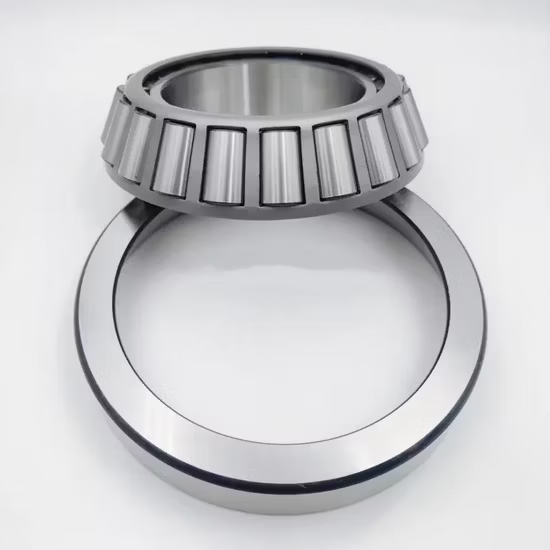
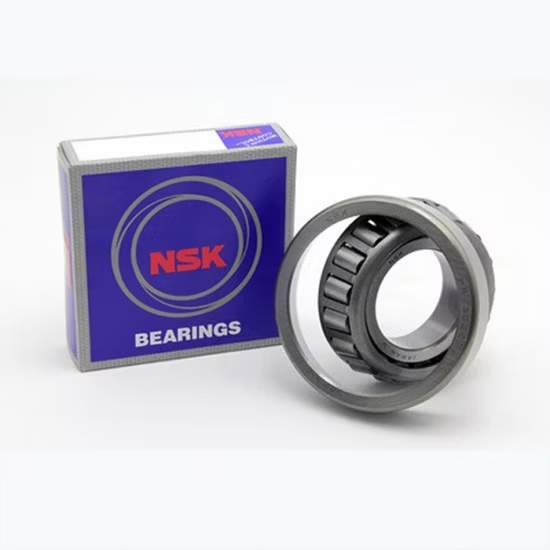
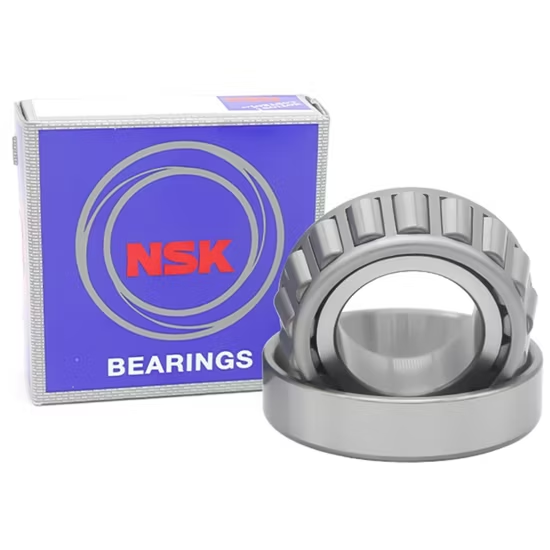
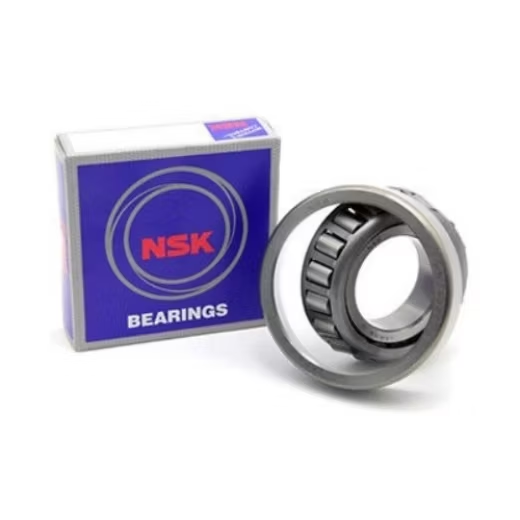
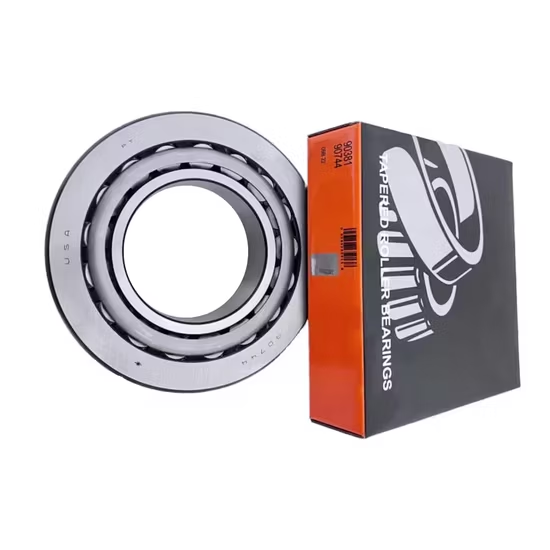

30200 30201 Single Row Tapered Roller Bearings P4 — Manufactured from Gcr15 steel, this single row taper structure effectively manages combined radial and axial loads for industrial gearboxes.
Cross-Reference Alignment — We verify internal geometry and precision suffixes for every 15100/15250 series inquiry, preventing field failures caused by basic-number-only substitutions.
| Parameter | Value |
|---|---|
| Designation | 30200 30201 |
| Bearing Type | Tapered Roller Bearing |
| Number of Rows | Single Row |
| Structure | Taper |
| Precision Class | P4 |
| Material | Gcr15 |
| Cage Material Options | Nylon, Brass, or Iron variants available |
| Origin | Shanghai |
| Industry | Typical Applications |
|---|---|
| Industrial Gearboxes | Heavy-duty reduction gear shafts and pinion supports |
| Automotive and Heavy Vehicle Repair | Commercial wheel hubs and differential carrier assemblies |
| Manufacturing Plant | Conveyor drive pulleys and material handling rollers |
Matching the base number is never enough when internal clearances and precision grades dictate operational survival.
During my years handling aftermarket support across Latin American mining sites, I witnessed numerous 15100/15250 series bearings seize catastrophically. The root cause was rarely the steel itself, but rather cross-reference errors where standard P0 grade units were installed in positions demanding tight running accuracy, or where internal clearance was ignored. When a 30200 30201 tapered roller bearing operates under heavy combined loads, substituting a dimensionally identical but internally different component leads to rapid thermal binding. The resulting unplanned downtime costs far more than the initial procurement savings .
Selecting the correct 30200 30201 tapered roller bearing requires looking past the basic envelope dimensions. In industrial gearboxes and heavy vehicle wheel hubs, the operational envelope demands high running accuracy to maintain proper gear mesh and minimize vibration. Our technical review process ensures that the cross-reference alignment covers not just the outer and inner ring diameters, but the specific precision class and internal geometry required by your OEM equipment.
Tapered roller designs excel at managing simultaneous radial and axial forces, but the actual field conditions dictate the necessary internal configuration. High axial thrust from helical gears or vehicle cornering forces generates significant internal heat. If the internal clearance is not matched to the operating temperature and shaft expansion, the rollers will skid or bind. Proper lubrication selection and sealing arrangements are equally critical to prevent abrasive ingress in dusty manufacturing or mining environments, directly influencing the fatigue life of the raceways .
The explicit P4 precision class specified for these units provides noticeably tighter dimensional and running accuracy compared to standard commercial grades. In applications like high-speed pinion shafts, this reduced tolerance band minimizes axial runout and vibration, protecting adjacent seals and gears from premature wear. The Gcr15 high-carbon chromium bearing steel offers the necessary core toughness and raceway hardness to withstand shock loads. Furthermore, depending on the specific operating speed and temperature, the cage material can be selected from nylon, brass, or iron variants to optimize friction and roller guidance.
Installing a dimensionally correct but internally mismatched bearing often results in catastrophic damage to the surrounding housing and shaft. When internal clearance is too tight for the thermal expansion of the application, the bearing experiences excessive preload, leading to rapid lubricant degradation and roller smearing. Conversely, excessive clearance causes destructive vibration and gear misalignment. These failure modes void equipment warranties and trigger extensive secondary repairs, turning a simple component replacement into a major operational disruption .
We do not merely ship parts based on a basic number match. Our cross-reference process for the 15100/15250 series, including Set251, Set471, and Set73 equivalents, strictly verifies precision suffixes and internal design codes. We provide full batch traceability to the manufacturer, ensuring you receive genuine components rather than counterfeit units with soft inner rings. Our application-based selection review evaluates your specific load, speed, and temperature parameters to confirm the correct cage and clearance combination. This comprehensive approach eliminates the guesswork and prevents the costly field failures associated with粗放 cross-referencing.
To ensure precise cross-referencing and application suitability, please provide your specific operating parameters, including radial and axial load profiles, operating speeds, and thermal conditions. Sharing the exact OEM equipment number or the current bearing's full designation, including any clearance or cage suffixes, allows our engineering team to perform a comprehensive L10 life review. This technical data enables us to confirm the optimal internal configuration and material options for your machinery.
Q: How do you verify cross-reference interchangeability for inch and metric tapered roller bearings?
A: We do not rely solely on basic envelope dimensions. Our engineering team cross-references the 15100/15250 series and Set equivalents by verifying internal geometry, contact angles, and precision suffixes. This ensures the replacement 30200 30201 tapered roller bearing matches the exact load capacity and thermal expansion requirements of your specific application, preventing premature failure.
Q: What are the practical differences between P4 and standard P0 precision classes?
A: P4 precision offers significantly tighter dimensional tolerances and running accuracy than standard P0 grades. In high-speed gearboxes or precision hubs, this reduces axial runout, minimizes vibration, and ensures consistent gear mesh. The result is noticeably extended service life for both the bearing and surrounding components, particularly under continuous combined loading conditions.
Q: How should I select the correct cage material for my operating environment?
A: Cage selection depends on speed, temperature, and load characteristics. Nylon cages offer low friction and quiet operation at moderate temperatures, while brass cages provide superior durability under high vibration and heavy loads. Iron cages are often used for cost-effective, standard-duty applications. Share your specific operating parameters so we can recommend the optimal variant.
Q: What mounting practices are recommended to maintain P4 precision?
A: Maintaining P4 accuracy requires meticulous mounting. Use controlled induction heating for the inner ring to ensure uniform expansion without localized overheating. Apply the exact axial preload specified by the OEM during assembly to set the correct internal clearance. Avoid impact forces that could brinell the Gcr15 raceways or damage the precision-matched rollers and cage.
Q: How can I identify counterfeit bearings with soft inner rings?
A: Counterfeits often pass casual visual inspections but fail under load due to substandard steel and soft inner rings. We prevent this by supplying only authorized, fully traceable components. Every shipment includes a Certificate of Conformity, material test reports, and official app QR verification, ensuring the metallurgical integrity and hardness specifications of your bearings are genuinely certified.
Our 5-step process ensures every order is engineered, validated, and supported for optimal performance.
Technical needs assessment
Custom specifications
Free samples for $50k+
Pre-shipment inspection
On-site & predictive
Our certified engineers respond within 24 hours with detailed technical specifications, pricing, and lead time information.