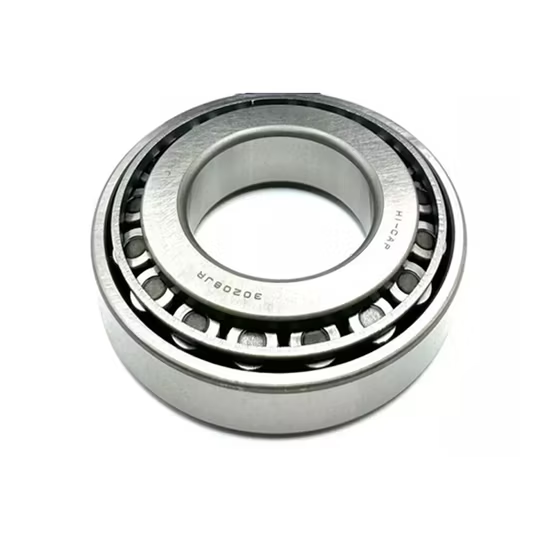
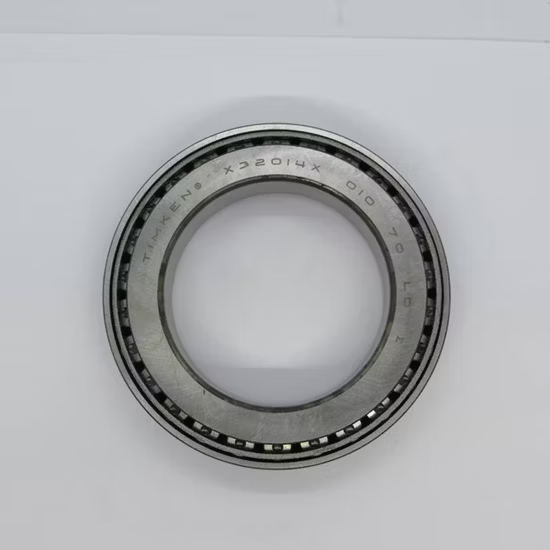
01
Consultation
Technical needs assessment



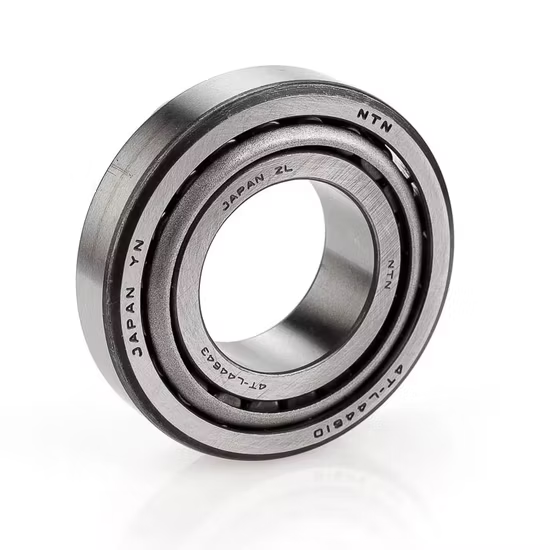
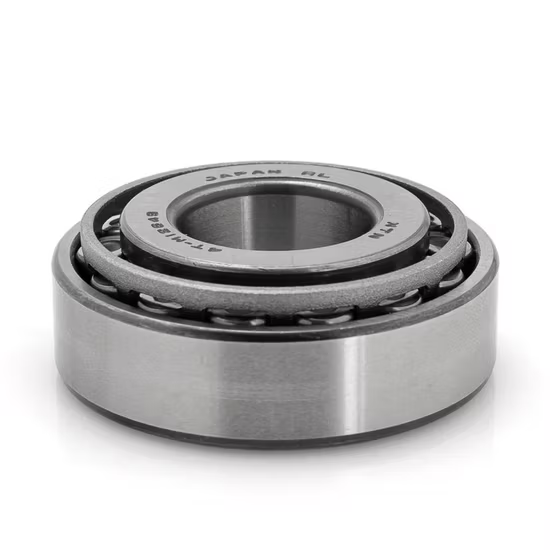
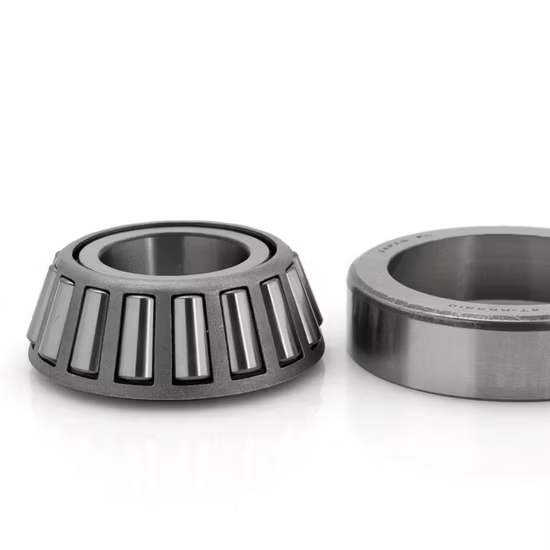
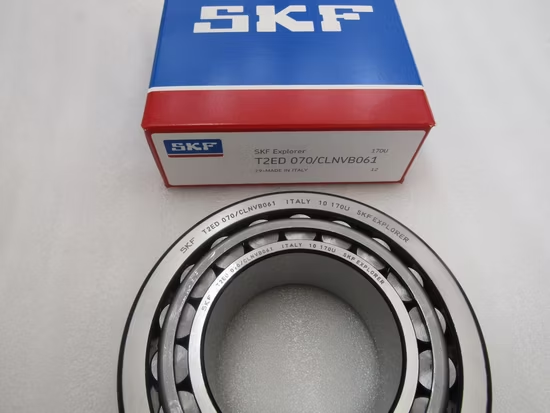
1280/1220 Tapered Roller Bearing — inch-series tapered roller geometry engineered to handle combined radial and axial loads simultaneously, ensuring reliable performance in automotive wheel hubs and heavy vehicle repair applications.
Unified Multi-Brand Sourcing — Procure the 1280/1220 tapered roller bearing alongside mixed international brand requirements in a single consolidated shipment without juggling multiple vendors.
| Parameter | Value |
|---|---|
| Designation | 1280/1220 |
| Bearing Type | Tapered Roller Bearing |
| Inner Ring (Cone) | 1280 |
| Outer Ring (Cup) | 1220 |
| Precision Class | P4 |
| Material | GCr15 high-carbon chromium bearing steel |
| Cage Material | Available in pressed steel, machined brass, or polyamide variants |
| Seal or Shield Type | Open design |
| Arrangement | Single row, separable components |
| Origin | Authorized global manufacturing origins |
| Industry | Typical Applications |
|---|---|
| Automotive & Heavy Vehicles | Wheel hubs, truck axles, and heavy-duty trailer suspension systems |
| Material Handling | Forklift mast rollers and heavy transport steering mechanisms |
| Industrial Gearboxes | Reduction gear shaft supports requiring combined load capacity |
Base number matches frequently mask critical internal geometry differences that lead to rapid field failure.
When sourcing replacements for heavy vehicle axles, buyers often assume that matching the basic cone and cup numbers guarantees fitment. However, ignoring internal design variations or assuming standard precision when P4 is required causes thermal binding under continuous highway speeds. I have seen wheel hubs lock up on Latin American freight routes simply because the replacement lacked the exact internal geometry required for the specific axle housing tolerance .
The 1280/1220 tapered roller bearing is engineered to manage the simultaneous radial and axial forces inherent in heavy truck wheel hubs. Our technical review ensures the supplied unit aligns with the exact OEM internal design, preventing the cup from spinning in the housing under heavy cornering loads.
Heavy vehicle wheel hubs endure severe shock loads from uneven road surfaces and continuous axial thrust during cornering. Elevated operating temperatures from brake friction can degrade standard lubricants, making the correct cage material and internal clearance essential to prevent roller skidding. Contamination from road dust and water ingress further demands strict adherence to OEM sealing interfaces .
The 1280 cone and 1220 cup form a matched inch-series set designed for high rigidity. The P4 precision class guarantees tighter dimensional and running accuracy than standard grades, which is vital for minimizing vibration in high-speed highway applications. GCr15 bearing steel provides the necessary core toughness and surface hardness to resist spalling under impact. Since the identifier lacks specific cage or clearance suffixes, verifying the exact internal design against the manufacturer catalog is mandatory to ensure the cage can withstand the specific vibration frequencies of the target axle.
Installing an internally mismatched unit leads to uneven load distribution across the rollers, triggering premature spalling and catastrophic axle damage. Such failures result in unplanned downtime, expensive roadside recovery operations, and immediate warranty voidance. Relying solely on the base designation without verifying the internal geometry risks destroying the entire wheel end assembly .
We supply authorized multi-brand coverage, allowing you to consolidate mixed fleet requirements into one traceable order. Every 1280/1220 tapered roller bearing undergoes strict cross-reference alignment that checks internal design and precision class, not just the base numbers. We provide full batch traceability to the manufacturer, eliminating the risk of counterfeits with soft inner rings that fail under heavy loads. Our application-based selection review ensures the unit matches your specific axle temperature and load profile.
To ensure exact fitment, please provide the specific OEM equipment number or the original manufacturer's part number for cross-reference verification. Sharing the operational parameters, including typical axle loads, continuous highway speeds, and brake drum operating temperatures, allows our engineering team to confirm the correct internal design and cage material. This technical alignment guarantees the replacement matches the precise demands of your heavy vehicle fleet.
Q: How do I verify the authenticity of the 1280/1220 bearing using official apps?
A: Each genuine unit includes a manufacturer-applied QR code on the packaging. Scanning this code with the official brand application instantly verifies the batch origin, production date, and P4 precision status. This digital traceability is critical for filtering out counterfeits with soft inner rings that frequently cause catastrophic hub lockups under heavy Latin American transport loads.
Q: Why must cross-referencing include internal design details beyond the base number?
A: Matching only the 1280 and 1220 base numbers ignores critical variations in roller profiles and cage designs. An incorrect internal geometry causes thermal binding or premature cage fracture under high axial loads. We verify these hidden parameters against OEM specifications to ensure the replacement handles the exact combined forces of your specific wheel hub application.
Q: What is the difference between P4 and standard precision in automotive wheel hubs?
A: P4 precision offers significantly tighter dimensional and running accuracy compared to standard grades. In heavy truck wheel hubs, this exactness minimizes vibration, ensures even load distribution across all tapered rollers, and reduces heat generation at highway speeds. This extended L10 life is essential for preventing unexpected roadside breakdowns and maintaining fleet uptime.
Q: How do I select the correct cage material for specific wheel hub temperatures?
A: The choice between pressed steel, machined brass, or polyamide cages depends on the brake heat transferred to the hub and the vibration levels. Brass offers superior durability under high shock loads and elevated temperatures, while polyamide provides quieter operation. Share your specific axle operating conditions so we can recommend the optimal cage variant for your fleet.
Our 5-step process ensures every order is engineered, validated, and supported for optimal performance.
Technical needs assessment
Custom specifications
Free samples for $50k+
Pre-shipment inspection
On-site & predictive
Our certified engineers respond within 24 hours with detailed technical specifications, pricing, and lead time information.