01
Consultation
Technical needs assessment

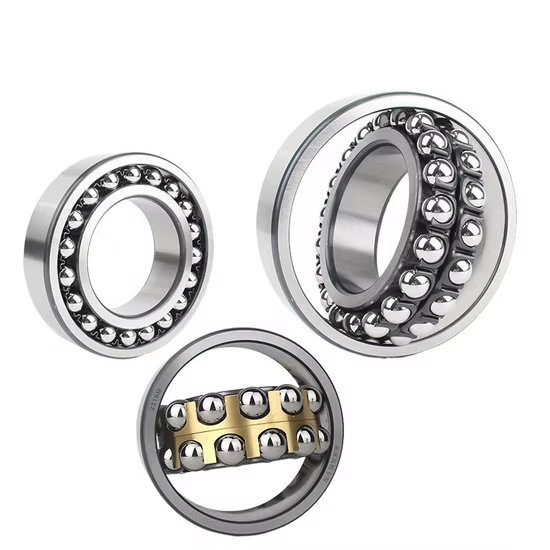
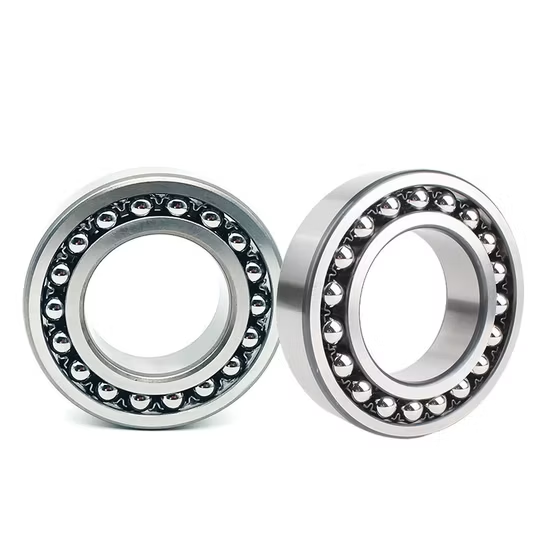
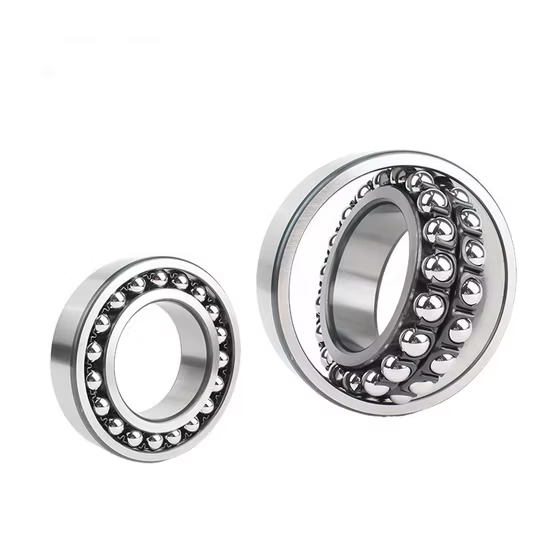
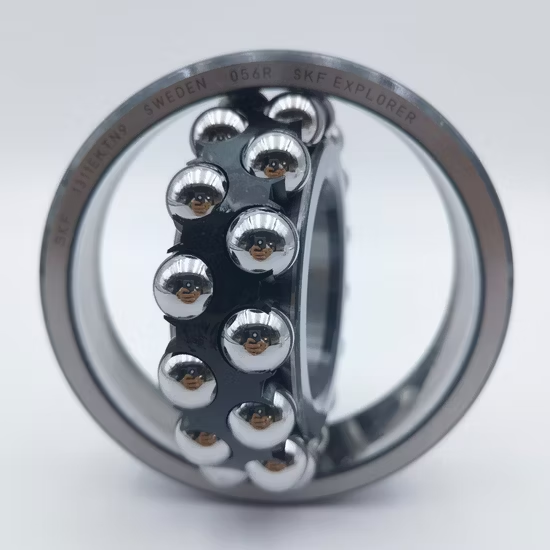


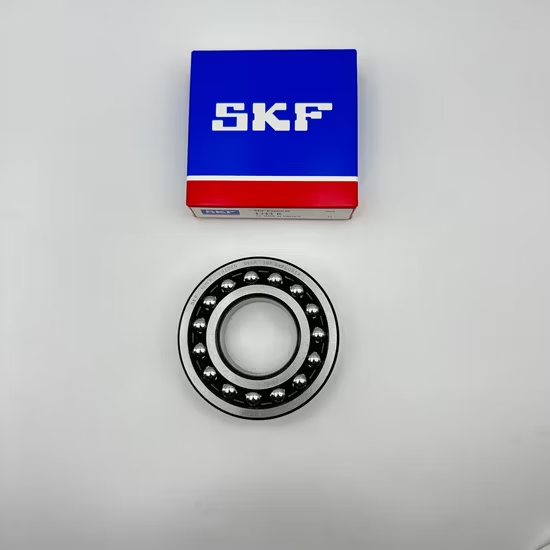
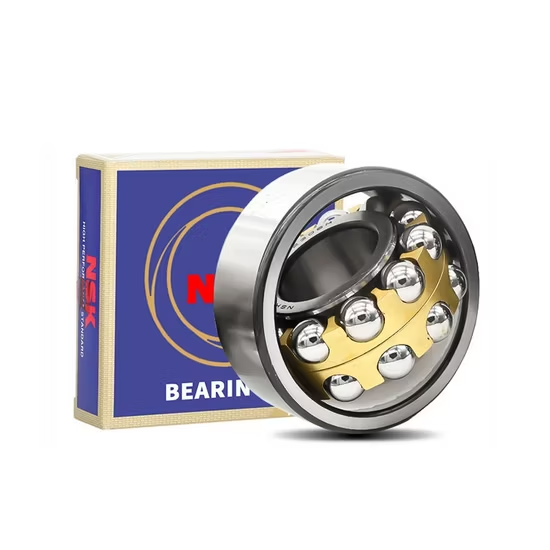
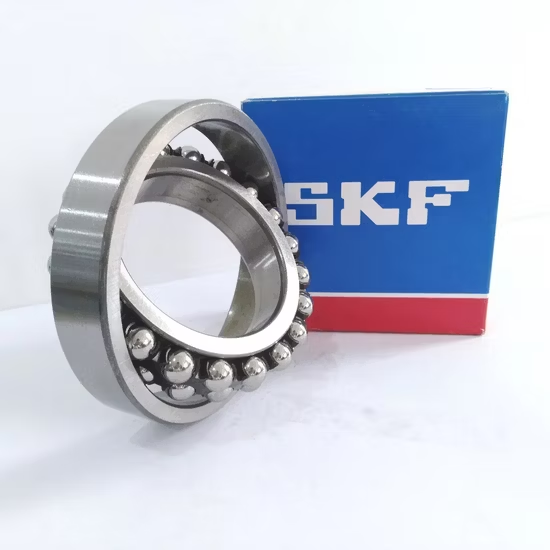
1217 Self-Aligning Ball Bearing 85×150×28 mm — standard CN clearance and P0 precision for general industrial applications.
Unified Multi-Brand Sourcing — Procure the 1217 self-aligning ball bearing across SKF, FAG, and NSK under a single purchase order without juggling multiple vendors.
| Parameter | Value |
|---|---|
| Designation | 1217 |
| Bearing Type | Self-Aligning Ball Bearing |
| Bore Diameter (d) | 85 mm |
| Outside Diameter (D) | 150 mm |
| Width (B) | 28 mm |
| Seal or Shield Type | Open (standard), with rubber or iron seal variants available |
| Clearance Class | CN (standard normal clearance) |
| Precision Class | P0 (standard) |
| Origin | Germany, Japan, Sweden, Malaysia, China |
| Industry | Typical Applications |
|---|---|
| Steel & Metallurgy | Mill gear box intermediate shafts, continuous caster roll guide units |
| Material Handling | Belt conveyor drive pulley bearings, stacker reclaimer slewing supports |
| General Industrial | Heavy-duty electric motor rotor supports, industrial pump shaft alignments |
Matching the base designation while ignoring internal clearances guarantees thermal binding in heated gearbox environments.
Walking through steel rolling mills in Shandong, I have inspected countless gearboxes torn apart because procurement teams matched the base number but overlooked the internal design requirements. When a standard clearance open bearing is forced into a high-temperature gearbox housing, the thermal expansion eliminates the internal play. The balls skid, the cage snaps, and the shaft seizes. Relying solely on the basic number without verifying the exact clearance class and cage material leads to catastrophic downtime .
The primary function of the 1217 self-aligning ball bearing is to compensate for housing misalignment and shaft deflection common in heavy industrial drives. Its sphered outer ring raceway allows the inner ring and ball assembly to pivot freely, preventing edge loading on the rolling elements. This self-aligning capability is critical for mill gearboxes where structural flexing under peak torque would otherwise crush rigid bearing types.
Gearbox environments present severe thermal and contamination challenges that dictate the correct internal configuration. As operating temperatures rise, the shaft expands more than the housing, demanding a C3 or C4 clearance rather than the standard CN to prevent internal preload and overheating. Furthermore, open designs require pristine oil bath lubrication, whereas environments with heavy particulate ingress demand rubber or iron sealed variants to retain grease and block metallic debris .
The base 1217 designation indicates an open design with standard CN clearance and P0 precision, optimized for moderate temperatures and clean oil-lubricated sumps. The stamped steel cage provides adequate strength for standard radial loads, but applications with severe vibration may require a machined brass cage variant to prevent cage fatigue. Understanding these baseline parameters ensures that any requested cross-reference matches not just the physical dimensions, but the exact internal geometry required for the specific thermal and load profile.
Substituting a standard clearance bearing where a C3 was specified causes rapid thermal runaway, leading to premature failure and unplanned downtime. Conversely, installing a sealed variant in a high-speed, oil-splashed gearbox generates excessive friction heat, melting the seal lips and contaminating the lubricant. These mismatch errors void equipment warranties and trigger secondary damage to gears and shafts, far exceeding the cost of the correctly specified component .
We prevent cross-reference errors by verifying the exact application parameters rather than just copying catalog numbers. For the 1217 self-aligning ball bearing, the most frequent mistake is ignoring the cage material and clearance suffix when replacing OEM parts. Our technical review ensures the proposed equivalent matches the required thermal expansion tolerance and vibration resistance, backed by authorized distribution channels that guarantee authentic metallurgy and precise dimensional tolerances.
To ensure the selected variant survives your specific gearbox environment, please provide the operating radial and axial loads, maximum shaft speed, and steady-state operating temperatures. Sharing the OEM equipment number or existing bearing suffixes allows our engineering team to perform a precise cross-reference check and L10 life calculation, confirming the correct clearance and sealing configuration for your application.
Q: How do cross-reference errors in clearance cause premature failure in gearboxes?
A: Matching only the base 1217 number while ignoring the clearance suffix often results in installing standard CN bearings in high-heat environments. As the shaft expands thermally, the internal clearance vanishes, causing excessive friction, thermal runaway, and eventual cage fracture. Proper cross-referencing must align the base designation, clearance class, and cage material simultaneously.
Q: What are the differences between open, rubber sealed, and iron sealed configurations?
A: The standard open design relies on the gearbox's internal oil splash for lubrication and cooling. Rubber sealed variants retain grease and block fine dust but generate higher friction, limiting speed. Iron shielded options offer a middle ground, keeping out larger debris while allowing some oil mist penetration, making them suitable for moderately contaminated gearboxes.
Q: How can I verify bearing authenticity using official brand tools?
A: Counterfeit bearings often feature soft inner rings and cloned packaging. Genuine units include unique batch markings that can be scanned using the manufacturer's official mobile application. This QR verification confirms the production facility, heat treatment batch, and original distribution path, ensuring the metallurgy meets the required load specifications.
Q: When should a self-aligning ball bearing be replaced by a spherical roller bearing?
A: While the 1217 self-aligning ball bearing handles moderate radial loads and misalignment well, it has limited axial load capacity. If the application involves heavy shock loads, extreme radial forces, or significant axial thrust common in heavily loaded mill drives, transitioning to a spherical roller bearing is necessary to prevent premature raceway fatigue and spalling.
Our 5-step process ensures every order is engineered, validated, and supported for optimal performance.
Technical needs assessment
Custom specifications
Free samples for $50k+
Pre-shipment inspection
On-site & predictive
Our certified engineers respond within 24 hours with detailed technical specifications, pricing, and lead time information.