01
Consultation
Technical needs assessment

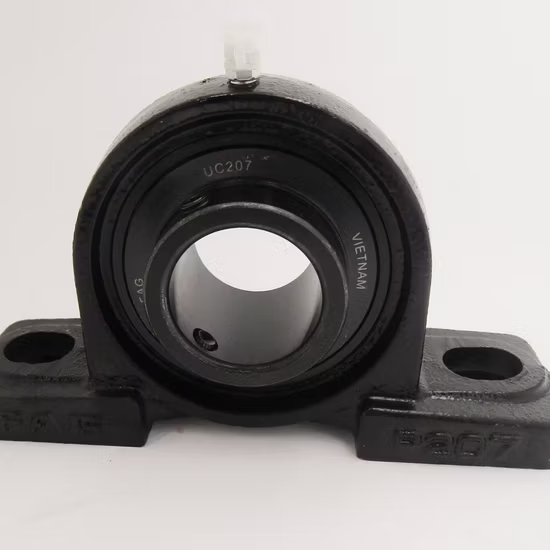
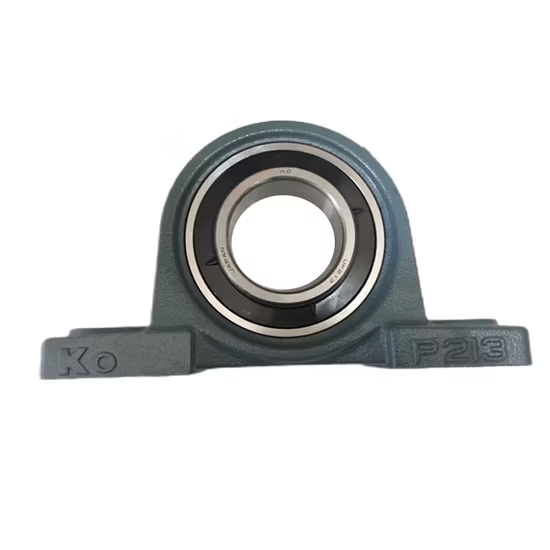
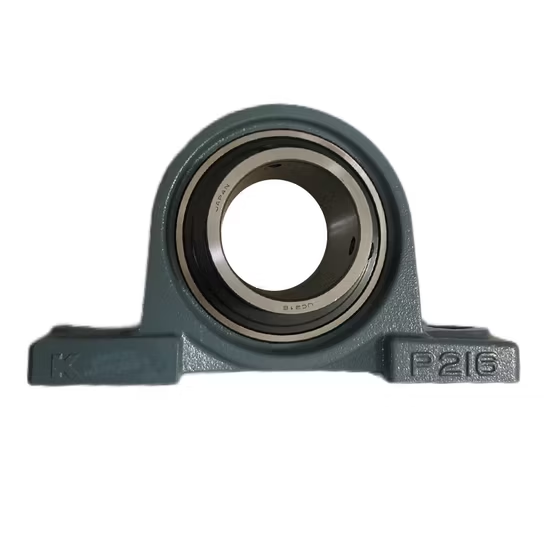
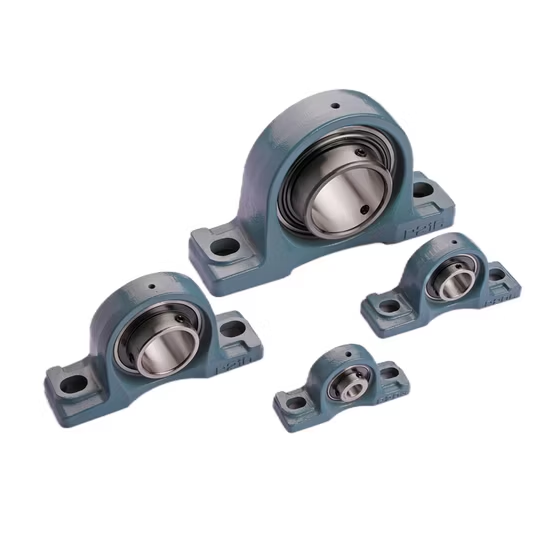


Ucph201 Pillow Block Bearing — engineered with a cast iron P-type housing and single-row deep groove raceway to handle combined loads in agricultural and material handling equipment.
Cross-reference alignment verified — Base designation, internal clearance, and seal types are strictly matched to prevent thermal binding in agricultural drives.
| Parameter | Value |
|---|---|
| Designation | Ucph201 |
| Product Type | Pillow Block Bearing |
| Bearing Block Model | P |
| Rows Number | Single |
| Raceway Type | Deep Groove Raceway |
| Housing Material | Cast Iron |
| Insert Material Options | Bearing steel or stainless steel variants |
| Feature Options | Corrosion resistant, high temperature, or high speed variants available |
| Origin Options | Germany, Japan, Sweden, Malaysia, or China |
| Industry | Typical Applications |
|---|---|
| Agricultural Machinery | Combine harvester grain augers, tractor PTO shaft supports, planter seed metering drives |
| Conveyor Systems | Belt conveyor tail pulleys, agricultural grain elevator idlers |
| Material Handling | Bulk fertilizer screw conveyors, portable stacking conveyor pivot points |
Matching only the basic designation ignores critical internal clearances and seal configurations required for dusty, high-heat agricultural environments.
I have dismantled too many pillow blocks where the inner ring turned blue from thermal seizure. Procurement teams often approve cross-references based solely on the base number, overlooking that a standard clearance insert will bind when shaft temperatures rise under continuous field operation. This mismatch leads to catastrophic cage failure long before the expected service interval . When sourcing a Ucph201 pillow block bearing, verifying the exact seal type and clearance class is non-negotiable for equipment operating in direct sunlight and heavy particulate exposure.
Selecting the correct internal configuration ensures the Ucph201 pillow block bearing survives the abrasive and high-load realities of modern farming. We review the specific operating conditions of your grain augers or PTO shafts to confirm that the seal design effectively excludes crop dust and chaff. This application-based selection prevents premature lubricant degradation and keeps the deep groove raceway protected during peak harvest seasons.
Agricultural drives subject pillow blocks to severe shock loads from uneven terrain and sudden engagement of heavy implements. The cast iron P-type housing provides the necessary rigidity to absorb these impacts without distorting the bore. However, ambient heat combined with friction can easily exceed the thermal limits of standard lubricants, making high-temperature grease and appropriate internal clearance essential. Furthermore, exposure to fertilizers and crop moisture demands corrosion-resistant variants to prevent housing degradation and set screw seizing .
The P-model bearing block establishes a stable, flat mounting base that resists moment loads common in conveyor and auger pivots. While the housing is cast iron, the insert material options include bearing steel or stainless steel variants to address specific corrosion risks in fertilizer handling. Feature options such as corrosion resistant, high temperature, or high speed variants available allow buyers to tailor the assembly to their exact operational envelope. The single row deep groove raceway design efficiently manages the combined radial and axial loads typical in misaligned agricultural shafts, provided the internal clearance is correctly specified for thermal expansion.
Installing a standard clearance insert in an application requiring extra clearance inevitably results in unplanned downtime and premature failure. As the shaft expands under operational heat, the rolling elements become preloaded against the raceway, generating excessive friction and rapid temperature spikes. This thermal runaway causes the cage to disintegrate and the shaft to score, leading to catastrophic damage that extends far beyond the bearing itself. Following the failure analysis frameworks in ISO 15243, these seizures are entirely preventable with proper initial specification .
We prevent the costly mistake of receiving a Ucph205 when a Ucph201 was specified by verifying every cross-reference against the OEM equipment manual. Our documentation ensures batch traceability to the manufacturer, eliminating the risk of soft inner rings found in cloned counterfeits. We review your application parameters to confirm that the seal type and clearance class perfectly align with your field conditions. By supplying genuine products with verifiable origins, we ensure your maintenance crew spends time harvesting rather than replacing seized bearings on the side of a field.
To ensure accurate selection and cross-reference verification, please provide the radial and axial loads, operating speeds, and expected temperature ranges for your equipment. Sharing the specific OEM equipment number or the exact environmental exposure allows our engineering team to confirm the optimal seal and clearance configuration. This technical review guarantees the proposed assembly will withstand your specific agricultural demands without premature binding.
Q: Why must internal clearance and seal type be verified alongside the base designation?
A: Matching only the base number often results in installing standard clearance inserts in high-heat applications. This causes thermal expansion to eliminate internal play, leading to thermal seizure and blue inner rings. Verifying the complete suffix ensures the bearing accommodates shaft expansion and excludes crop dust effectively.
Q: How can we identify cloned QR codes on counterfeit pillow blocks?
A: Counterfeiters often print static QR codes that link to fake websites. Genuine products feature unique, batch-specific codes that must be scanned using the brand's official mobile application. This verifies the exact production date, origin facility, and authenticates the specific Ucph201 unit against the manufacturer's database.
Q: What is the difference in lifespan between contact seals and shields in dusty environments?
A: In agricultural settings with heavy chaff and soil dust, contact rubber seals provide a physical barrier that prevents particulate ingress, significantly extending lubricant life. Non-contact metal shields allow fine dust to penetrate the raceway, leading to abrasive wear and premature failure under continuous field operation.
Q: How do standard CN and C3 clearances differ in high-temperature agricultural drives?
A: Standard CN clearance is suitable for normal operating temperatures, but C3 clearance provides extra internal play. When shafts heat up during continuous operation in direct sunlight, C3 clearance prevents the rolling elements from binding against the raceway, avoiding the thermal seizure common in under-specified agricultural pillow blocks.
Our 5-step process ensures every order is engineered, validated, and supported for optimal performance.
Technical needs assessment
Custom specifications
Free samples for $50k+
Pre-shipment inspection
On-site & predictive
Our certified engineers respond within 24 hours with detailed technical specifications, pricing, and lead time information.