01
Consultation
Technical needs assessment

![UCFL210-UCFL218 Pillow Block Bearing Authorized Distributor [WARN] draft identifier mismatch - 1](https://skfiso.com/wp-content/uploads/2026/09/ucfl210-ucfl218-pillow-block-bearing-authorized-distributor-warn-draft-identifier-mismatch-83f982.avif)
![UCFL210-UCFL218 Pillow Block Bearing Authorized Distributor [WARN] draft identifier mismatch - 2](https://skfiso.com/wp-content/uploads/2026/09/ucfl210-ucfl218-pillow-block-bearing-authorized-distributor-warn-draft-identifier-mismatch-b114bc.avif)
![UCFL210-UCFL218 Pillow Block Bearing Authorized Distributor [WARN] draft identifier mismatch - 3](https://skfiso.com/wp-content/uploads/2026/09/ucfl210-ucfl218-pillow-block-bearing-authorized-distributor-warn-draft-identifier-mismatch-c85212.avif)
![UCFL210-UCFL218 Pillow Block Bearing Authorized Distributor [WARN] draft identifier mismatch - 4](https://skfiso.com/wp-content/uploads/2026/09/ucfl210-ucfl218-pillow-block-bearing-authorized-distributor-warn-draft-identifier-mismatch-d2b79a.avif)
![UCFL210-UCFL218 Pillow Block Bearing Authorized Distributor [WARN] draft identifier mismatch - 5](https://skfiso.com/wp-content/uploads/2026/09/ucfl210-ucfl218-pillow-block-bearing-authorized-distributor-warn-draft-identifier-mismatch-2cfe00.avif)
![UCFL210-UCFL218 Pillow Block Bearing Authorized Distributor [WARN] draft identifier mismatch - 6](https://skfiso.com/wp-content/uploads/2026/09/ucfl210-ucfl218-pillow-block-bearing-authorized-distributor-warn-draft-identifier-mismatch-66e2d7.avif)
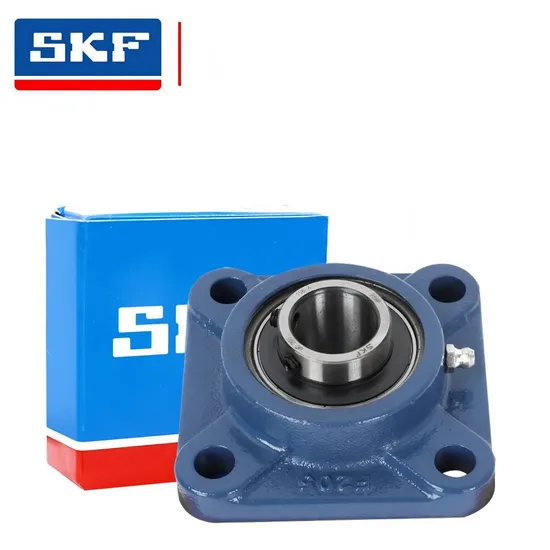
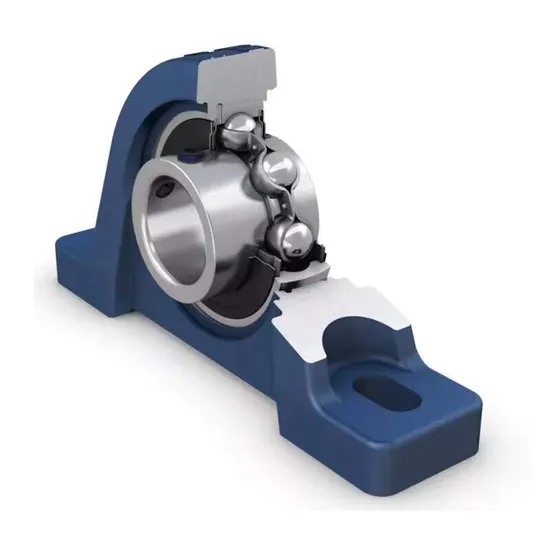
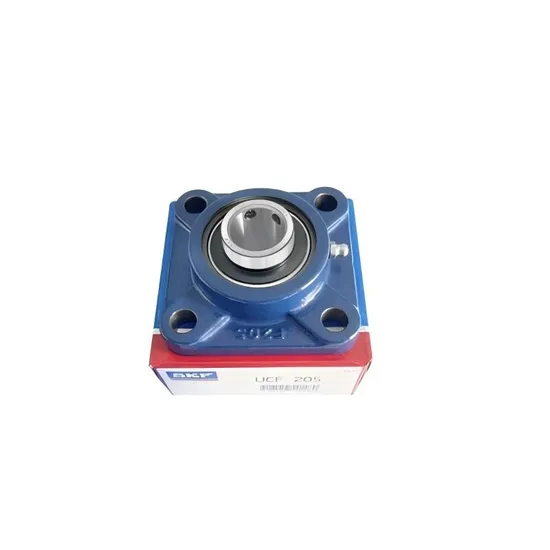
UCFL210 UCFL211 UCFL212 UCFL213 UCFL214 UCFL215 UCFL216 UCFL217 UCFL218 Pillow Block Bearing Two-Bolt Flange Units
Three-point cross-reference alignment — verifying base number, internal clearance, and seal variants to prevent thermal binding in flange units.
| Parameter | Value |
|---|---|
| Designation | UCFL210 UCFL211 UCFL212 UCFL213 UCFL214 UCFL215 UCFL216 UCFL217 UCFL218 |
| Bearing Type | Pillow Block Bearing (Two-Bolt Flange Unit) |
| Bore Diameter (d) | 50 mm to 90 mm |
| Housing Material | Cast Iron |
| Insert Locking | Set screw locking with wide inner ring |
| Raceway | Deep Groove Raceway |
| Rows Number | Single |
| Features | Corrosion Resistant, High Temperature, High Speed options |
| Origin | Germany / Japan / Sweden / Malaysia / China |
| Industry | Typical Applications |
|---|---|
| Material Handling | Belt conveyor drive shafts and tensioning pulleys |
| Agricultural Machinery | Combine harvester grain auger drives and seed metering shafts |
| Textile Machines | Yarn guide rollers and loom let-off mechanisms |
| General MRO | Industrial exhaust fan shafts and ventilation blowers |
Securing a dependable UCFL210-UCFL218 pillow block bearing supplier solves the sourcing hurdle, but ignoring internal variables invites catastrophic field failures.
A matching outer dimension means nothing if the internal clearance cannot accommodate thermal expansion.
I have torn down countless oval flange housings in the Pearl River Delta where the base designation matched perfectly, yet the inner ring was fused to the shaft. Procurement teams often approve replacements based solely on the UCFL number, overlooking that a standard clearance insert will bind when the conveyor shaft heats up. This cross-reference blind spot turns a simple MRO swap into an unplanned line stoppage .
The deep groove raceway geometry within these insert bearings handles the combined radial and moderate axial loads typical of conveyor systems. When sourcing from an authorized UCFL210-UCFL218 pillow block bearing supplier, we verify that the wide inner ring and set screw locking mechanism align with your specific shaft tolerances. This ensures the locking screws bite securely without distorting the inner ring, maintaining smooth rotation under continuous material handling loads.
Agricultural and textile environments introduce severe temperature fluctuations and particulate contamination. When shaft temperatures rise, standard clearance inserts expand and eliminate internal operating clearance, leading to thermal seizure. Selecting the appropriate clearance class accommodates this thermal growth. Furthermore, seal selection requires balancing contamination exclusion against friction heat generation; heavy contact seals protect against grain dust but generate excess heat at higher speeds, demanding a precise match to the operating envelope .
The UCFL prefix defines a two-bolt oval flange housing paired with a wide inner ring insert secured by set screws. The "2" denotes a light duty series, while the trailing numbers from 10 to 18 correspond to bore diameters ranging from 50 mm to 90 mm. Understanding these suffixes is critical because a supplier might ship a standard seal variant when your washing environment requires specialized corrosion-resistant adaptations. We cross-reference the exact seal type and clearance suffix to ensure the replacement performs identically to the OEM specification.
Installing an insert with incorrect internal clearance or incompatible seal friction characteristics inevitably triggers premature failure. According to ISO 281 life calculation frameworks, operating an insert with negative internal clearance drastically reduces the fatigue life of the rolling elements. This results in catastrophic cage failure, shaft scoring, and voided equipment warranties. The financial impact of unplanned downtime far exceeds the initial procurement savings of accepting a loosely matched replacement .
Our authorized distribution network covers all major international brands, allowing mixed-brand orders to ship with unified traceability. We execute cross-reference matching that verifies internal clearance and seal variants, not just the base UCFL number. Every batch includes manufacturer traceability, verified via official brand QR applications to eliminate counterfeit risks. Our application-based selection review evaluates your specific load, speed, and temperature parameters to confirm the housing material and insert geometry are perfectly aligned with your machinery.
To ensure precise application matching, please provide the radial and axial load profiles, operating speeds, and ambient temperature ranges for your equipment. Sharing the OEM equipment number or original manufacturer part number allows our engineering team to execute a comprehensive cross-reference review. This technical evaluation guarantees the selected flange unit features the correct internal clearance and seal configuration for your specific operating environment.
Q: How do I verify the authenticity of the UCFL units received?
A: Every unit features a unique traceability code. You can scan the QR code using the official brand application on your smartphone to verify the manufacturing origin, batch number, and authenticity. This process eliminates the risk of installing counterfeit inserts with soft inner rings that cause rapid shaft wear.
Q: Why must internal clearance be matched during cross-referencing?
A: Base numbers often ignore internal clearance suffixes. Installing a standard clearance insert on a shaft that experiences significant thermal expansion will cause the bearing to bind and seize. We verify the exact clearance class to ensure the insert accommodates your specific operating temperature fluctuations safely.
Q: How do I choose the correct seal variant for dusty environments?
A: Dusty environments like agricultural harvesting require seals that exclude fine particulates without generating excessive friction heat. We evaluate your shaft speed and contamination level to recommend the optimal seal contact design, ensuring long-term lubrication retention without triggering premature thermal failure.
Q: What mounting practices are recommended for set screw locking inserts?
A: The shaft must be clean and free of burrs before mounting the wide inner ring. Set screws should be tightened evenly to the manufacturer's specified torque values to secure the insert without distorting the inner ring. Proper *ft under heavy conveyor loads.
Our 5-step process ensures every order is engineered, validated, and supported for optimal performance.
Technical needs assessment
Custom specifications
Free samples for $50k+
Pre-shipment inspection
On-site & predictive
Our certified engineers respond within 24 hours with detailed technical specifications, pricing, and lead time information.