01
Consultation
Technical needs assessment

![Ucfc201-8 Pillow Block Bearing Housing Ucfc202-10 Ucfc204-12 [WARN] draft identifier mismatch - 1](https://skfiso.com/wp-content/uploads/2026/09/ucfc201-8-pillow-block-bearing-housing-ucfc202-10-ucfc204-12-warn-draft-identifier-mismatch-aec0f7.avif)
![Ucfc201-8 Pillow Block Bearing Housing Ucfc202-10 Ucfc204-12 [WARN] draft identifier mismatch - 2](https://skfiso.com/wp-content/uploads/2026/09/ucfc201-8-pillow-block-bearing-housing-ucfc202-10-ucfc204-12-warn-draft-identifier-mismatch-afaa16.avif)
![Ucfc201-8 Pillow Block Bearing Housing Ucfc202-10 Ucfc204-12 [WARN] draft identifier mismatch - 3](https://skfiso.com/wp-content/uploads/2026/09/ucfc201-8-pillow-block-bearing-housing-ucfc202-10-ucfc204-12-warn-draft-identifier-mismatch-fbecc9.avif)
![Ucfc201-8 Pillow Block Bearing Housing Ucfc202-10 Ucfc204-12 [WARN] draft identifier mismatch - 4](https://skfiso.com/wp-content/uploads/2026/09/ucfc201-8-pillow-block-bearing-housing-ucfc202-10-ucfc204-12-warn-draft-identifier-mismatch-0e56da.avif)
![Ucfc201-8 Pillow Block Bearing Housing Ucfc202-10 Ucfc204-12 [WARN] draft identifier mismatch - 5](https://skfiso.com/wp-content/uploads/2026/09/ucfc201-8-pillow-block-bearing-housing-ucfc202-10-ucfc204-12-warn-draft-identifier-mismatch-da532c.avif)
![Ucfc201-8 Pillow Block Bearing Housing Ucfc202-10 Ucfc204-12 [WARN] draft identifier mismatch - 6](https://skfiso.com/wp-content/uploads/2026/09/ucfc201-8-pillow-block-bearing-housing-ucfc202-10-ucfc204-12-warn-draft-identifier-mismatch-b08261.avif)
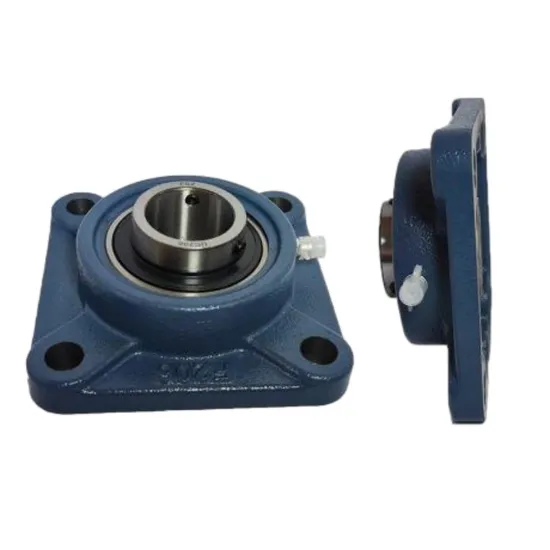
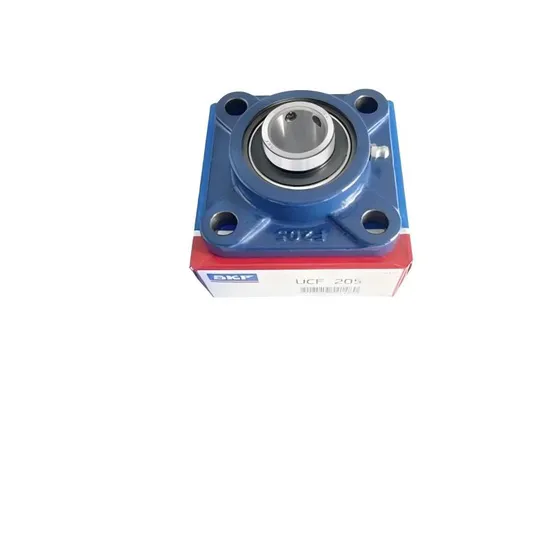
Ucfc201-8 Pillow Block Bearing Unit features a deep groove raceway insert in a cast iron housing, engineered for corrosion resistance during high-temperature and high-speed operations.
Original Batch Traceability — Every Ucfc201-8 unit ships with manufacturer lot documentation and QR codes for official app verification.
| Parameter | Value |
|---|---|
| Designation | Ucfc201-8 |
| Product Type | Insert Bearing / Pillow Block Unit |
| Bearing Type | Deep Groove Raceway Insert |
| Housing Material | Cast Iron |
| Rows Number | Single |
| Features | Corrosion Resistant, High Temperature, High Speed |
| Origin | Germany / Japan / Sweden / Malaysia / China |
| HS Code | 8483200000 |
Note: Specific suffix definitions for this designation remain unverified and require manufacturer catalog confirmation prior to final selection.
| Industry | Typical Applications |
|---|---|
| Agricultural Machinery | Harvester conveyor drive shafts, irrigation pivot joints |
| Conveyor Systems | Bulk material transfer roller supports, sorting line guides |
| Textile Machines | Yarn tensioning pulleys, high-speed loom drive assemblies |
Genuine traceability prevents catastrophic field failures caused by soft inner rings and cloned packaging.
When procurement teams source flanged units based solely on base designations, they frequently receive counterfeits that pass casual visual inspections but fail under operational stress. A Ucfc201-8 pillow block bearing installed in high-temperature agricultural environments will quickly seize if the internal clearance and housing fit are not matched to the specific application. We have documented numerous cases where cloned QR codes masked inferior metallurgy, leading to premature cage failure and unplanned downtime across critical material handling lines .
Selecting the correct Ucfc201-8 pillow block bearing requires aligning the deep groove raceway insert with the specific radial loads and rotational speeds of the driven shaft. Our technical team reviews the exact mounting environment to ensure the cast iron housing provides adequate rigidity while the internal geometry accommodates thermal expansion. This application-based selection review prevents the common mismatch where standard components are forced into demanding conveyor or textile machinery roles.
In agricultural and material handling environments, equipment faces severe particulate contamination and significant temperature fluctuations. High ambient heat combined with friction can degrade standard lubricants, while abrasive dust compromises inadequate seals. The cast iron housing offers structural damping, but the internal seal configuration must be carefully chosen to balance contamination exclusion with friction heat generation . Proper clearance selection is equally critical; insufficient internal play in high-temperature zones inevitably leads to thermal binding and raceway scoring.
The deep groove raceway design within this insert bearing primarily accommodates radial loads while permitting moderate axial displacement, making it suitable for typical conveyor and agricultural shafts. The cast iron circular flange housing provides a rigid mounting interface that maintains alignment under continuous rotational vibration. Selecting the appropriate internal clearance is vital; while standard clearance suits normal temperatures, high-speed or high-heat applications demand expanded clearance to compensate for thermal growth of the shaft and housing. Furthermore, the corrosion-resistant features inherent to specific material variants protect the assembly against the humid or chemically exposed conditions often found in textile processing and outdoor agricultural machinery.
Relying on superficial cross-references that match the base number but ignore internal design variations frequently results in catastrophic equipment damage. Installing a unit with incorrect internal clearance or incompatible seal friction characteristics leads to rapid thermal binding, shaft scoring, and complete assembly seizure. According to failure analysis frameworks, a significant share of premature bearing failures stems directly from these application mismatches rather than manufacturing defects . The resulting unplanned downtime and secondary damage to adjacent drivetrain components far exceed the initial procurement savings.
We maintain authorized distribution channels across all major international bearing brands, allowing you to consolidate mixed-brand MRO requirements into a single, verified shipment. Our cross-reference expertise extends beyond base designations to rigorously verify housing models, seal variants, and internal clearances, preventing the field failures commonly caused by superficial part matching. Every Ucfc201-8 pillow block bearing we supply includes full batch traceability to the manufacturer, ensuring you receive genuine components with verified metallurgy. We also provide application-based selection reviews to confirm that the chosen unit aligns perfectly with your specific load, speed, and temperature parameters.
To ensure optimal performance, please provide your specific radial and axial load calculations, operating speeds, and ambient temperature ranges. Supplying the exact OEM equipment number or detailed dimensional constraints allows our engineering team to perform a comprehensive cross-reference review and L10 life verification. Detailing the environmental exposure, such as dust levels or moisture presence, helps us confirm the most appropriate seal and material configuration for your application.
Q: How can I verify the authenticity of multi-brand pillow block bearings using official apps?
A: Scan the QR code located on the original packaging using the specific manufacturer's official mobile application. This process instantly validates the batch number and production origin, exposing cloned codes often used on counterfeits with soft inner rings that fail under load.
Q: Why do cross-reference errors in flanged units cause thermal binding in the field?
A: Superficial cross-references often match the base designation but overlook critical internal clearances and seal friction. When standard clearance units are installed in high-temperature applications without accounting for thermal expansion, the internal components bind, leading to rapid overheating and seizure.
Q: What are the critical differences between standard and expanded clearance in high-temperature applications?
A: Standard clearance is designed for normal operating temperatures, while expanded clearance provides necessary internal play to accommodate shaft and housing thermal growth. Using standard clearance in high-heat agricultural or conveyor environments eliminates this operational gap, causing destructive friction and premature cage failure.
Q: How do I select the correct seal variants for dusty operating environments?
A: Dusty environments require contact seals that physically block particulate ingress, though they generate slightly more friction. Non-contact shields offer lower friction for high-speed applications but provide less protection against fine agricultural or textile dust, requiring careful balancing of speed and contamination risks.
Q: What documentation is required for international shipments of these bearing units?
A: International shipments typically require a Certificate of Conformity, detailed batch traceability records, material test reports, and official country-of-origin documentation. These files ensure customs compliance and provide the end-user with full metallurgical and dimensional verification of the received components.
Our 5-step process ensures every order is engineered, validated, and supported for optimal performance.
Technical needs assessment
Custom specifications
Free samples for $50k+
Pre-shipment inspection
On-site & predictive
Our certified engineers respond within 24 hours with detailed technical specifications, pricing, and lead time information.