01
Consultation
Technical needs assessment

![UC205-13 UC206-20 Insert Bearing Pillow Block Unit Authorized Supplier [WARN] draft identifier mismatch - 1](https://skfiso.com/wp-content/uploads/2026/09/uc205-13-uc206-20-insert-bearing-pillow-block-unit-authorized-supplier-warn-draft-identifier-mismatch-0773eb.avif)
![UC205-13 UC206-20 Insert Bearing Pillow Block Unit Authorized Supplier [WARN] draft identifier mismatch - 2](https://skfiso.com/wp-content/uploads/2026/09/uc205-13-uc206-20-insert-bearing-pillow-block-unit-authorized-supplier-warn-draft-identifier-mismatch-6fee64.avif)
![UC205-13 UC206-20 Insert Bearing Pillow Block Unit Authorized Supplier [WARN] draft identifier mismatch - 3](https://skfiso.com/wp-content/uploads/2026/09/uc205-13-uc206-20-insert-bearing-pillow-block-unit-authorized-supplier-warn-draft-identifier-mismatch-27cc20.avif)
![UC205-13 UC206-20 Insert Bearing Pillow Block Unit Authorized Supplier [WARN] draft identifier mismatch - 4](https://skfiso.com/wp-content/uploads/2026/09/uc205-13-uc206-20-insert-bearing-pillow-block-unit-authorized-supplier-warn-draft-identifier-mismatch-dfa1e4.avif)
![UC205-13 UC206-20 Insert Bearing Pillow Block Unit Authorized Supplier [WARN] draft identifier mismatch - 5](https://skfiso.com/wp-content/uploads/2026/09/uc205-13-uc206-20-insert-bearing-pillow-block-unit-authorized-supplier-warn-draft-identifier-mismatch-644066.avif)
![UC205-13 UC206-20 Insert Bearing Pillow Block Unit Authorized Supplier [WARN] draft identifier mismatch - 6](https://skfiso.com/wp-content/uploads/2026/09/uc205-13-uc206-20-insert-bearing-pillow-block-unit-authorized-supplier-warn-draft-identifier-mismatch-ad2d32.avif)
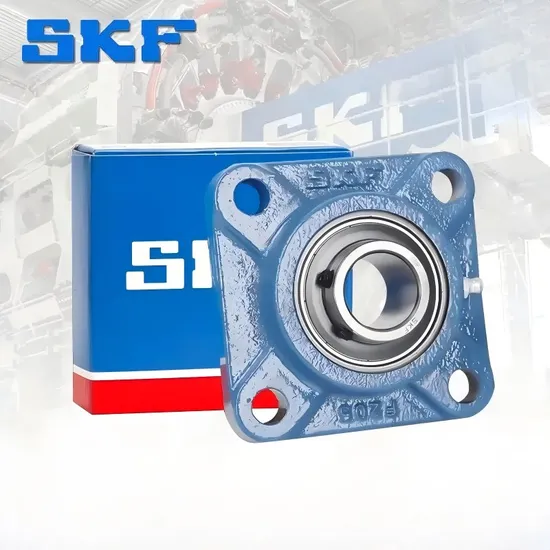
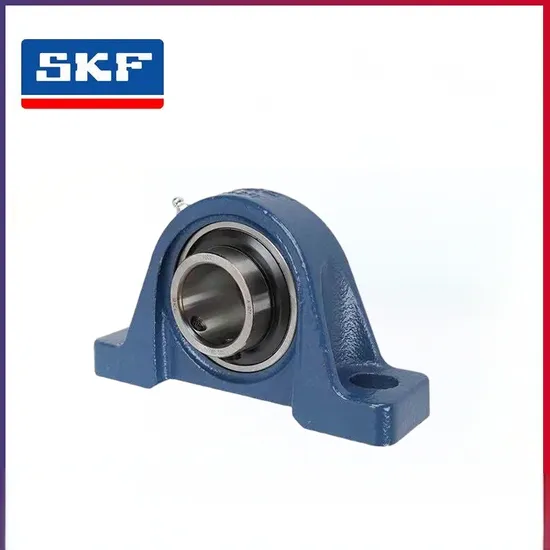
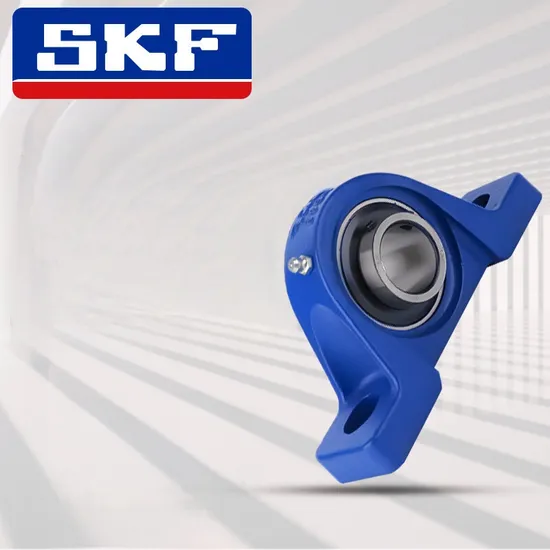
UC205-13 Insert Bearing 13/16"×52 mm — featuring a spherical outer ring and set screw locking for self-alignment and secure shaft mounting within cast iron P-type housings.
Unified Multi-Brand Sourcing — Consolidate SKF, FAG, and NSK UC205-13 orders into a single shipment with unified batch traceability across all major manufacturers.
| Parameter | Value |
|---|---|
| Designation | UC205-13 |
| Product Type | Insert Bearing / Pillow Block Unit |
| Bore Diameter (d) | 13/16" |
| Outside Diameter (D) | 52 mm |
| Bearing Block Model | P (Cast Iron options) |
| Locking Mechanism | Set screw locking, spherical outer ring |
| Number of Rows | Single |
| Raceway | Deep Groove Raceway |
| Feature Options | Corrosion Resistant, High Temperature, High Speed variants available |
| Origin Options | Germany, Japan, Sweden, Malaysia, China |
| HS Code | 8483200000 |
| Industry | Typical Applications |
|---|---|
| Agricultural Machinery | Combine harvester rotor drives and planter seed metering shafts |
| Material Handling | Conveyor belt return idlers and transfer chute pivot points |
| Textile Manufacturing | Yarn guide rollers and loom beat-up mechanism shafts |
Matching the base designation is only the first step; overlooking inch bore specifics and internal clearances leads to thermal binding in the field.
In the Pearl River Delta, I have seen countless UC205 series bearings seize up simply because a standard metric clearance was forced into an inch-bore application requiring thermal expansion room. When procurement teams rely on rough cross-references, they miss critical suffix details like seal types, causing agricultural equipment to fail prematurely in heavy dust environments . This is why verifying the exact internal design is non-negotiable.
Sourcing the correct UC205-13 insert bearing pillow block unit requires looking beyond the basic model number to ensure the internal geometry matches the operational reality. Our technical selection review covers load, speed, and temperature to guarantee the chosen variant handles the specific demands of conveyor or agricultural shafts. We match cross-brand equivalents based on exact clearance and cage design, preventing the subtle misalignments that cause early fatigue.
Agricultural and conveyor environments subject bearings to severe particulate ingress and fluctuating temperatures that drastically alter internal operating clearances. Selecting the appropriate seal type is critical; contact seals provide superior dust exclusion but generate friction heat, while non-contact shields suit higher-speed textile applications. Furthermore, thermal expansion during continuous operation dictates whether standard or expanded clearances are required to prevent the rolling elements from binding under load . Proper housing material selection, such as cast iron P-blocks, also provides necessary vibration damping for uneven shaft loads.
The UC205-13 designation breaks down into specific engineering parameters that dictate its physical fit and operational limits. The "UC" prefix identifies an insert bearing with a spherical outer ring and set screw locking, allowing for self-alignment within the housing to compensate for shaft deflection. The "205" series indicates a dimension series with a 52 mm outside diameter, while the "-13" suffix explicitly defines the 13/16 inch bore diameter. Confusing this inch-bore specification with a standard metric bore will result in improper shaft fitment, leading to either slippage or impossible mounting.
Ignoring the precise suffix and clearance requirements inevitably leads to unplanned downtime and catastrophic damage to the surrounding shaft and housing. When an incorrect seal type is installed in a dusty agricultural setting, particulate ingress rapidly degrades the lubricant, causing premature failure as classified under ISO 15243 . Similarly, thermal binding from inadequate clearance expansion voids warranties and forces emergency maintenance stops. These hidden costs far exceed the initial savings of purchasing a loosely matched alternative.
We prevent cross-reference errors by matching clearance, cage material, and precision suffixes, not just the base designation, ensuring the UC205-13 performs exactly as the OEM intended. Our authorized multi-brand coverage means you can source mixed-brand requirements in a single order without juggling multiple suppliers. Every unit features batch traceability to the manufacturer, backed by QR verification through official brand apps to eliminate counterfeits with soft inner rings. We also provide application-based selection reviews to catch mismatches before the equipment reaches the field.
To ensure precise cross-referencing and L10 life calculation, please provide the specific radial and axial loads, operating speeds, and ambient temperatures of your application. Sharing the OEM equipment number allows our engineering team to verify the exact inch-bore and clearance requirements against the original design. Detailing the environmental exposure, such as dust or moisture levels, helps us recommend the optimal seal variant for your machinery.
Q: How do I verify the authenticity of the UC205-13 using official apps?
A: Every genuine unit features a unique QR code linked to the manufacturer's database. By scanning this code with the official brand application, procurement teams can instantly verify the batch number, production date, and original specifications, effectively filtering out counterfeits that use cloned codes and soft inner rings.
Q: Why do cross-reference errors cause thermal binding in this series?
A: Base number matches often overlook internal clearance classes. If a standard clearance is installed in an application requiring thermal expansion room, the operating temperature will cause the internal components to bind. This restricts rolling element movement, generating excessive heat and leading to rapid seizure.
Q: What is the difference between the -13 inch bore and standard metric bores?
A: The -13 suffix explicitly designates a 13/16 inch bore diameter, which is fundamentally different from the 25 mm bore found in standard metric equivalents. Attempting to force a metric bearing onto an inch shaft, or vice versa, results in improper fitment, causing either shaft slippage or severe mounting stress.
Q: How do I select the correct P-type housing material for my conveyor?
A: Cast iron P-blocks provide excellent structural support and vibration damping for heavy-duty conveyor applications with uneven loads. For environments with high moisture or chemical exposure, we can review alternative housing materials to prevent structural degradation and ensure long-term housing integrity.
Our 5-step process ensures every order is engineered, validated, and supported for optimal performance.
Technical needs assessment
Custom specifications
Free samples for $50k+
Pre-shipment inspection
On-site & predictive
Our certified engineers respond within 24 hours with detailed technical specifications, pricing, and lead time information.