01
Consultation
Technical needs assessment

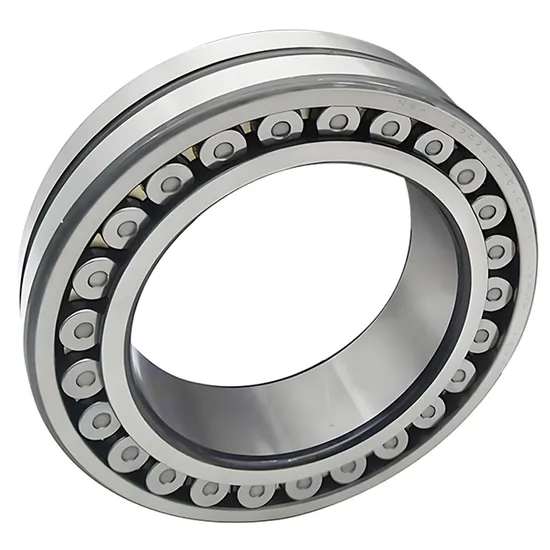

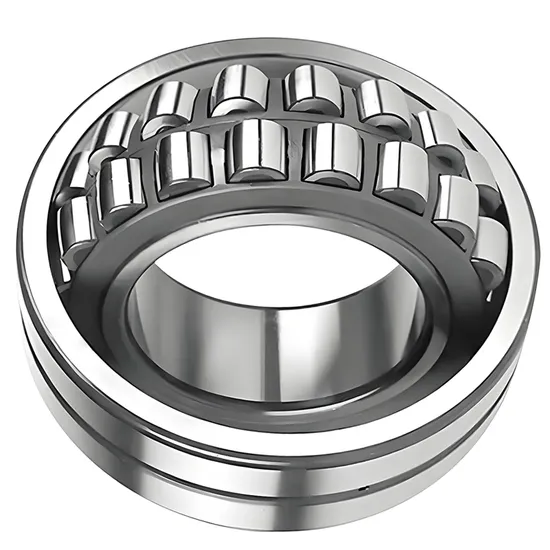
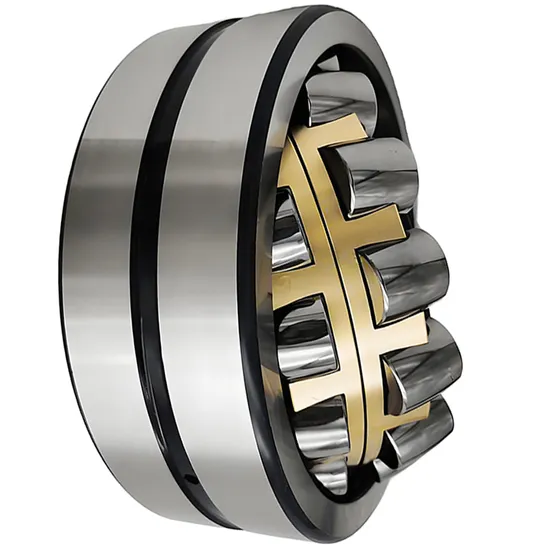
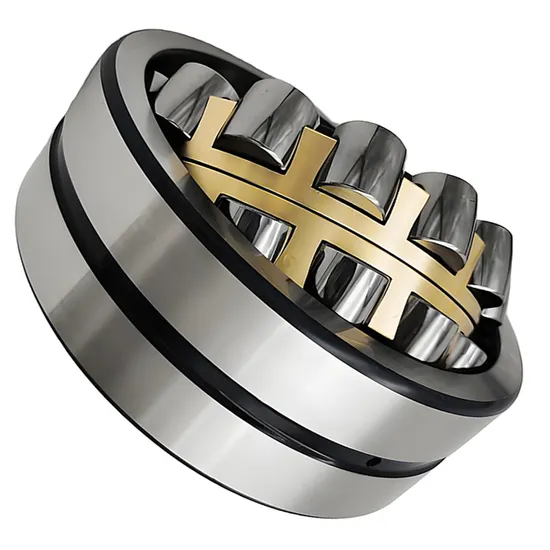
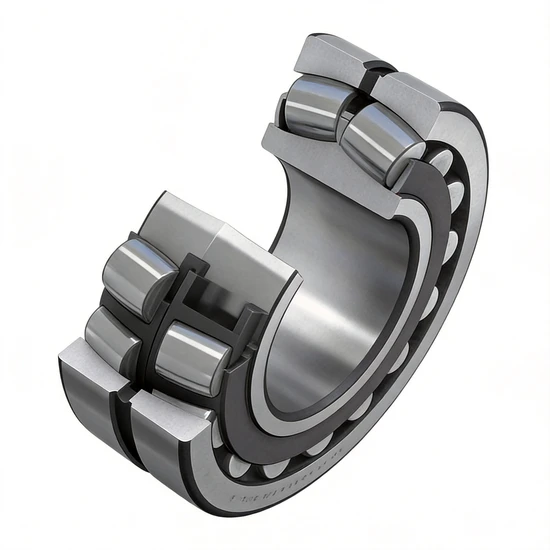
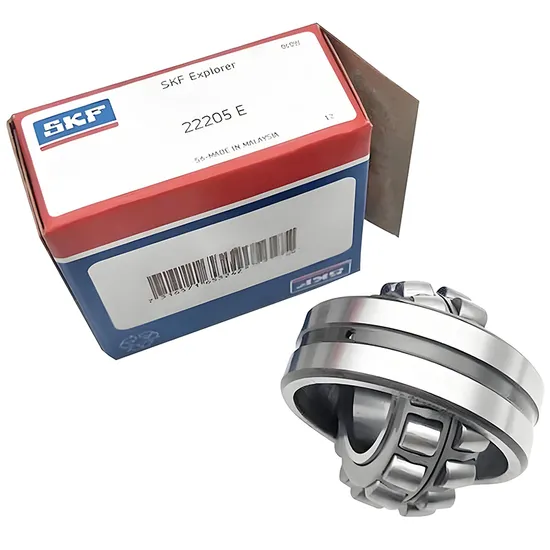
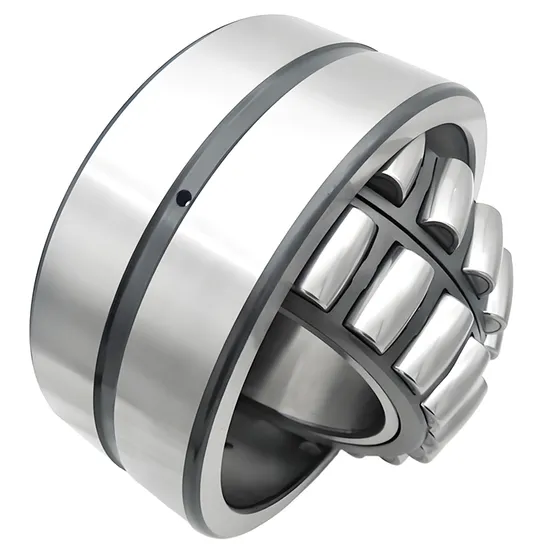
Timken 225220/22224/22228/22230 Spherical Roller Bearing — featuring normal clearance (CN) and standard internal design for the verified models to accommodate typical decelerator operating temperatures.
Full Brand Authorization — Consolidate your Timken and mixed-brand decelerator requirements into a single, fully traceable procurement channel without juggling multiple suppliers.
| Parameter | Value |
|---|---|
| Designation | 225220/22224/22228/22230 |
| Product Type | Spherical Roller Bearing |
| Bearing Type | Spherical Roller |
| Internal Design | Standard (No suffix) |
| Clearance Class | Normal (CN) |
| Cage Material | Standard (Manufacturer specification) |
| Seal or Shield Type | Open |
| Precision Class | Standard |
| Origin | Germany / Japan / Sweden / Malaysia / China |
| Customization | OEM packaging and mixed-origin fulfillment |
Note: The designation 225220 is an unverified identifier requiring manufacturer catalog confirmation and is likely a typographical variation of the standard 22220 series.
| Industry | Typical Applications |
|---|---|
| Power Transmission | Decelerator machine input and output shafts |
| Material Processing | Vibrating screen exciter mechanisms |
| Heavy Machinery | Industrial gearbox intermediate gear supports |
| Mining & Aggregates | Crusher main shaft and rotor bearings |
| Metallurgy | Steel mill roll neck and continuous caster segments |
Thermal expansion in enclosed gearboxes rapidly eliminates normal internal clearance, leading to catastrophic roller binding.
When specifying a Timken 22220 22224 22228 22230 spherical roller bearing for decelerator applications, relying solely on the base designation is a critical error. Standard CN clearance is designed for ambient temperature operations. Inside a heavily loaded industrial gearbox, friction and ambient heat cause the inner ring to expand faster than the outer ring and housing. This differential expansion consumes the internal clearance. Once the clearance reaches zero, the rollers skid rather than roll, generating excessive heat that softens the inner ring material and ultimately causes the bearing to seize solid . Procurement engineers frequently overlook this thermal dynamic, ordering standard clearance units that fail prematurely under continuous heavy-duty operation.
Selecting the correct internal geometry for a Timken 22220 22224 22228 22230 spherical roller bearing requires analyzing the specific thermal and load profile of the decelerator. Our technical review process evaluates the operating temperature gradient between the shaft and the housing to determine if a C3 or C4 clearance class is mandatory. We cross-reference the OEM equipment specifications to ensure the internal design and cage material can withstand the specific vibration and shock loads present in your application, preventing premature fatigue.
Decelerator environments subject bearings to a punishing combination of high radial loads, moderate axial thrust, and elevated temperatures that degrade standard lubricants. At elevated operating temperatures, the base oil viscosity drops, compromising the elastohydrodynamic lubrication film required to separate the rolling elements from the raceways . Furthermore, the open design of these bearings relies entirely on the gearbox's splash or forced oil circulation system. If the oil contains metallic wear debris from gear meshing, the unprotected bearing internals are highly susceptible to abrasive wear, necessitating rigorous filtration and precise oil level maintenance to ensure reliable service life.
The absence of specific suffixes on the 22224, 22228, and 22230 designations indicates a standard internal design with normal (CN) radial internal clearance. In the context of spherical roller bearings, CN clearance provides optimal load distribution under purely radial loads at room temperature. However, for high-speed or high-temperature decelerator shafts, this standard clearance is often insufficient. The standard cage material, typically pressed steel or machined brass depending on the specific manufacturer's default for these sizes, must be verified against the application's vibration levels. High-vibration environments, such as those near crusher drives, demand a robust machined brass cage to prevent cage fatigue and subsequent roller skewing.
Installing a standard clearance bearing in a high-temperature decelerator inevitably leads to unplanned downtime and catastrophic damage to the shaft and housing. When the bearing seizes due to thermal expansion, the immense frictional heat can permanently alter the metallurgical structure of the shaft, requiring expensive machining or complete replacement . Beyond the immediate repair costs, the resulting production halt in a continuous process industry like steel milling or paper manufacturing incurs massive financial penalties. Furthermore, utilizing unverified or counterfeit components with soft inner rings voids equipment warranties and guarantees premature failure under shock loading.
We eliminate the risk of cross-reference errors by verifying not just the base number, but the critical clearance and cage suffixes required for your specific gearbox operating temperatures. Our authorization across all major international brands allows us to fulfill mixed-brand OEM requirements in a single shipment, simplifying your procurement process. Every unit we supply is backed by rigorous batch traceability, ensuring you receive genuine components capable of withstanding heavy industrial shock loads. We provide application-based selection reviews that catch thermal expansion mismatches before the bearings are shipped. Finally, our flexible OEM service accommodates custom packaging and diverse origin requirements to meet your exact project specifications.
To ensure optimal performance and longevity in your decelerator applications, please provide the specific radial and axial load profiles, operating speed, and expected temperature gradients within the gearbox housing. Supplying the original OEM equipment designation allows our engineering team to perform a comprehensive cross-reference check, verifying that the selected clearance class and internal design perfectly align with your operational demands.
Q: How can I verify the authenticity of these Timken spherical roller bearings upon delivery?
A: Every bearing we supply features a unique traceability code. Upon receipt, simply scan the QR code on the packaging using the official manufacturer application. This instantly verifies the product's authenticity, confirms the manufacturing batch, and ensures the internal specifications match the authorized distribution records, protecting your decelerators from counterfeit components with compromised metallurgy.
Q: Why is it critical to match clearance suffixes during cross-brand interchange for gearboxes?
A: Base designations only define the physical envelope dimensions. If a cross-reference matches the base number but substitutes a standard CN clearance where a C3 was required for thermal expansion, the bearing will bind and seize as the gearbox heats up. We verify clearance, cage material, and internal geometry to ensure the replacement performs identically to the original specification.
Q: What causes standard clearance bearings to fail prematurely in decelerator machines?
A: Decelerators generate significant internal heat through gear meshing and friction. This heat causes the inner ring, which is tightly fitted to the shaft, to expand and consume the standard radial internal clearance. Once the clearance is eliminated, the rolling elements skid, generating extreme friction and heat that rapidly degrades the lubricant and destroys the bearing raceways.
Q: How do I select the correct cage material for high-vibration crusher or screen applications?
A: High-vibration environments impose severe cyclic stresses on the bearing cage. While standard pressed steel cages are suitable for general industrial gearboxes, applications involving heavy shock loads and intense vibration typically require a robust, one-piece machined brass cage. Provide your specific vibration frequency and load data so we can recommend the optimal cage design to prevent fatigue failure.
Q: What documentation is provided to ensure customs compliance and origin traceability?
A: Each shipment includes a comprehensive documentation package featuring a Certificate of Conformity, detailed batch and lot traceability records, and country-of-origin documentation. These documents ensure smooth customs clearance and provide your maintenance team with the verified material and dimensional inspection data required for critical equipment rebuilds and warranty compliance.
Our 5-step process ensures every order is engineered, validated, and supported for optimal performance.
Technical needs assessment
Custom specifications
Free samples for $50k+
Pre-shipment inspection
On-site & predictive
Our certified engineers respond within 24 hours with detailed technical specifications, pricing, and lead time information.