01
Consultation
Technical needs assessment


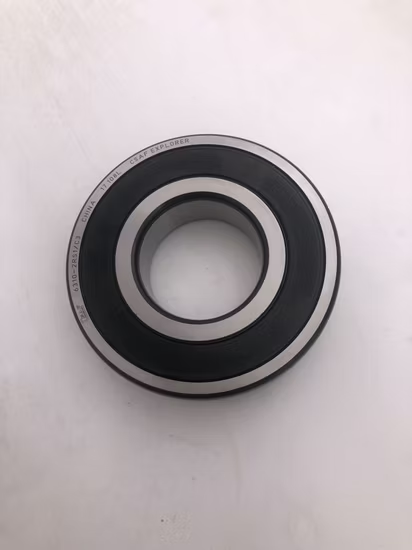
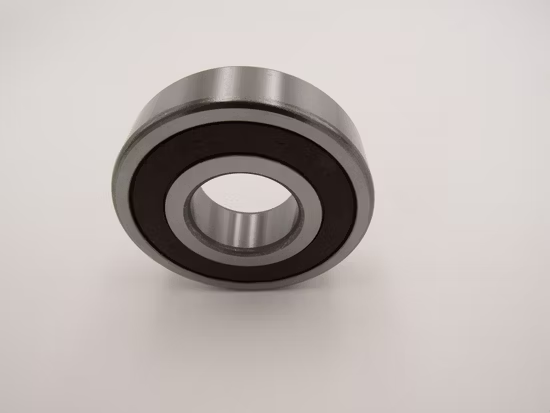

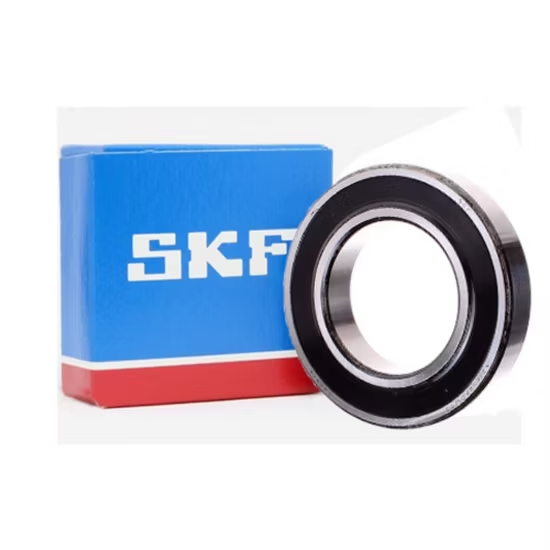

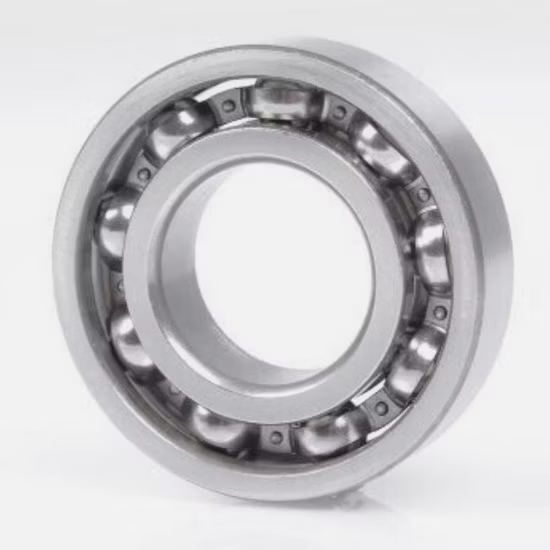
6003lluc3 Deep Groove Ball Bearing — engineered with C3 clearance to provide additional internal gap, effectively accommodating thermal expansion in electric motors and industrial gearboxes.
Traceable Batch Origins — Every 6003lluc3 unit ships with manufacturer lot documentation to verify material heat numbers and production dates.
| Parameter | Value |
|---|---|
| Designation | 6003lluc3 |
| Bearing Type | Deep Groove Ball Bearing |
| Material | Gcr15 bearing steel |
| Seal or Shield Type | Available in Zz, 2RS, or Open configurations |
| Clearance Class | C3 |
| Origin | Shanghai |
Note: The llu suffix denotes a specific seal design that requires manufacturer catalog confirmation for exact dimensional equivalence.
| Industry | Typical Applications |
|---|---|
| Electric Motors | Rotor shaft support requiring extra internal play for thermal expansion |
| Industrial Gearboxes | High-speed input shafts needing reliable dust and moisture exclusion |
| Manufacturing Machinery | Conveyor drive pulleys and pump impeller shafts |
Correct internal clearance prevents catastrophic thermal seizure during continuous motor operation.
In the Pearl River Delta manufacturing hubs, I have witnessed countless electric motors fail prematurely because standard clearance bearings were installed where thermal expansion demanded extra internal play. When a shaft heats up, the inner ring expands faster than the outer ring, eliminating internal clearance and causing the rolling elements to skid. This friction generates even more heat, leading to cage failure and eventual motor burnout. Selecting a 6003lluc3 deep groove ball bearing with verified C3 clearance ensures the thermal growth is accommodated, maintaining the optimal oil film thickness .
Electric motor applications demand low friction and reliable contamination exclusion. The C3 clearance class provides the necessary internal gap to handle the heat generated by high-speed rotation, while the Gcr15 material offers the contact fatigue strength required for continuous duty. By cross-referencing the exact seal configuration rather than just the base number, we ensure the bearing retains its factory grease and excludes conductive dust that could short out the motor windings.
Motor shafts and gearbox inputs experience combined radial loads and high rotational speeds, which generate significant internal heat. If the clearance is too tight, the thermal expansion of the shaft will preload the bearing beyond its limits, breaking down the lubricant film. Conversely, inadequate sealing allows abrasive particulates to enter the raceway, acting as lapping compound that accelerates wear. Proper seal selection balances the need for contamination exclusion with the friction heat generated by seal lip contact .
The C3 clearance designation indicates an internal radial clearance greater than standard, which is critical for applications where the inner ring runs hotter than the outer ring. This extra play compensates for the differential thermal expansion, preventing the bearing from binding under load. The Gcr15 high-carbon chromium bearing steel provides a hard, wear-resistant raceway, while the specific seal variants ensure that the factory-filled lubricant remains uncontaminated by external moisture or dust throughout the bearing's service life.
Ignoring the clearance and seal suffixes during procurement often results in unplanned downtime and catastrophic equipment damage. Installing a standard clearance bearing in a high-temperature motor leads to rapid thermal binding, while using a non-contact shield in a dusty environment allows abrasive ingress that destroys the raceways. These premature failures not only void equipment warranties but also necessitate expensive emergency maintenance and halt entire production lines .
We verify the exact seal geometry and clearance class, ensuring the replacement matches the OEM thermal and contamination requirements. Our inventory covers all major international brands, allowing you to consolidate mixed-brand requirements into a single, fully documented shipment. We reject units with soft inner rings or cloned QR codes by insisting on batch-level traceability directly from the manufacturer's production facilities. Every cross-reference we provide aligns the base designation, the internal clearance, and the seal type to prevent field failures.
To ensure optimal performance, please provide your specific operating parameters, including radial and axial loads, rotational speed, and expected operating temperatures. Sharing the OEM equipment number or the exact dimensions of the housing and shaft allows our engineering team to perform a rigorous cross-reference check. This technical review confirms that the selected clearance and seal configuration perfectly match your application's thermal and environmental demands.
Q: Why must the clearance and seal suffixes match exactly during cross-referencing?
A: Matching only the base number ignores critical operational requirements. A standard clearance bearing will thermally bind in a hot motor, while an incorrect seal type will either generate excess friction or allow abrasive dust ingress. Exact suffix alignment ensures the internal play and contamination protection match the original equipment manufacturer's thermal and environmental design parameters.
Q: What is the selection boundary between CN and C3 clearance in electric motors?
A: Standard CN clearance is suitable for applications with minimal temperature differentials between the inner and outer rings. C3 clearance is required when the shaft operates significantly hotter than the housing, such as in continuous-duty electric motors. The extra internal play in C3 prevents thermal expansion from eliminating the clearance and causing catastrophic seizure during operation.
Q: How do ZZ shields and 2RS contact seals differ in dusty environments?
A: ZZ steel shields provide non-contact protection, offering very low friction for high-speed applications but allowing fine dust to eventually enter. 2RS rubber contact seals create a physical barrier that effectively excludes fine particulates and moisture, though they generate slightly more friction heat. The choice depends on balancing the need for maximum contamination exclusion against the acceptable friction limit.
Q: How can we identify counterfeit bearings with cloned QR codes?
A: Counterfeiters often copy the visual QR code, but scanning it with the brand's official proprietary app will reveal a mismatch or an invalid batch number. We supply only authorized stock with verifiable batch traceability, allowing you to confirm the exact production facility and heat number directly through the manufacturer's secure digital authentication system.
Our 5-step process ensures every order is engineered, validated, and supported for optimal performance.
Technical needs assessment
Custom specifications
Free samples for $50k+
Pre-shipment inspection
On-site & predictive
Our certified engineers respond within 24 hours with detailed technical specifications, pricing, and lead time information.