01
Consultation
Technical needs assessment


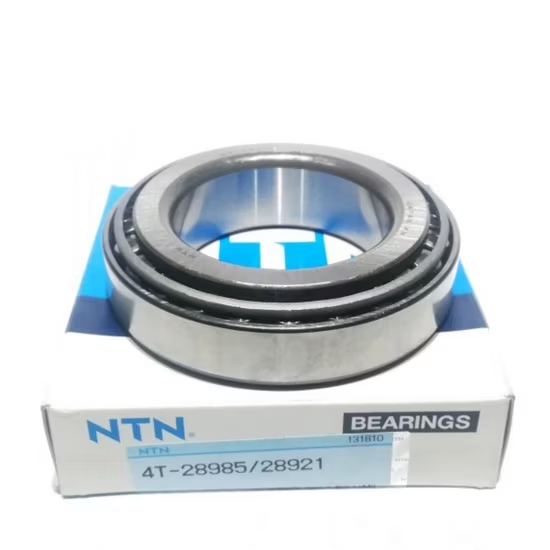
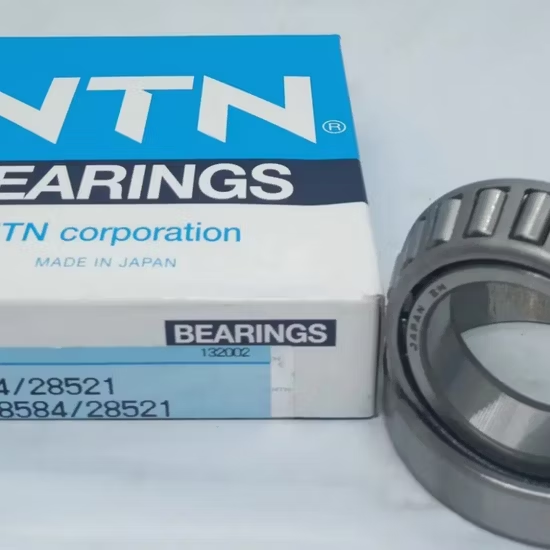

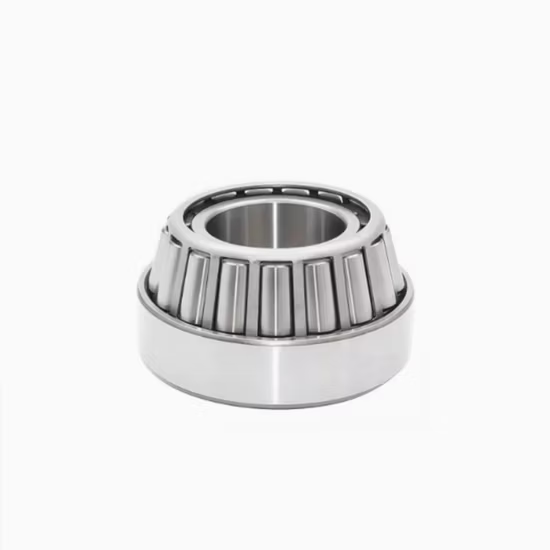

3987/3925 Inch Tapered Roller Bearing — engineered for combined radial and axial loads in heavy-duty environments, featuring GCr15 high-carbon chromium steel for excellent hardenability and wear resistance.
Multi-brand authorized coverage — Consolidate your mixed-brand inch-series requirements into a single traceable shipment without coordinating multiple vendors.
| Parameter | Value |
|---|---|
| Designation | 3987/3925 |
| Bearing Type | Tapered Roller Bearing |
| Precision Class | P4 |
| Material | GCr15 bearing steel |
| Cage Material | Available in nylon, brass, or iron variants |
| Origin | Sourced from manufacturer facilities in Germany, Japan, Sweden, Malaysia, or China |
| Certification | Certificate of Conformity |
| Industry | Typical Applications |
|---|---|
| Heavy Mining & Crushing | Primary jaw crusher eccentric shafts and vibrating screen drive mechanisms |
| Commercial Automotive | Heavy-duty truck wheel hubs and drive axle pinion bearings |
| Industrial Power Transmission | Heavy-duty industrial gearboxes and marine propulsion drive shafts |
| Building Materials | Cement mill trunnion bearings and aggregate conveyor pulley shafts |
Matching the base designation is never enough when internal geometry and cage materials dictate thermal stability under heavy shock loads.
Sourcing an inch-series replacement often stops at verifying the cone and cup numbers, but overlooking internal design variations leads to rapid thermal binding in the field. I have witnessed entire crushing circuits in Latin American mines shut down because a standard clearance bearing was forced into an application demanding thermal expansion compensation. When the 3987/3925 tapered roller binding occurs due to these hidden mismatches, the resulting friction destroys the raceway within hours .
Selecting the correct 3987/3925 tapered roller bearing requires looking past the stamped numbers to evaluate the actual operational environment. Our engineering team reviews your specific radial and axial load profiles to ensure the internal contact angle and roller profiling match the equipment's shock load characteristics. This application-based selection review prevents the premature spalling commonly seen when standard industrial grades are mistakenly installed in heavy mining machinery.
Heavy-duty gearboxes and crushers operate under severe thermal gradients and intense particulate contamination. The choice between available nylon, brass, or iron cage materials directly influences how the assembly handles vibration and temperature spikes. Furthermore, calculating the correct internal clearance is critical; a standard setting will bind as the shaft expands, while an overly loose setting accelerates fatigue . Proper lubrication intervals and seal integration must also be calibrated to keep abrasive dust out of the rolling contact zone.
The designation 3987/3925 identifies the specific cone and cup pairing, but the P4 precision class elevates the dimensional and running accuracy far beyond standard P0 grades. This tighter tolerance ensures smoother load distribution across the tapered rollers, which is essential for high-speed pinion applications. The GCr15 high-carbon chromium steel provides the necessary hardenability and wear resistance to withstand continuous heavy loading. Since no additional suffixes are present in this base designation, verifying the exact internal geometry and cage type against the OEM manual is mandatory to avoid cross-reference errors.
Installing a dimensionally correct bearing with the wrong internal profile or cage material inevitably leads to unplanned downtime and catastrophic damage to surrounding shafts and housings. According to ISO 281 life calculation frameworks, even minor deviations in load distribution caused by incorrect internal geometry drastically reduce the fatigue life of the assembly. The resulting warranty voidance and secondary equipment repairs far outweigh the initial savings of skipping a thorough technical review .
Our authorized channel coverage allows us to source genuine components across all major international brands, handling mixed-brand requirements in a single order. We perform rigorous cross-reference checks that align clearance, cage material, and precision, rather than just matching the base 3987/3925 numbers. Every batch is fully traceable to the manufacturer, eliminating the risk of counterfeits with soft inner rings that pass casual visual inspections but fail under load. This meticulous verification ensures your maintenance team receives a reliable solution capable of withstanding severe operational demands.
To ensure the selected components perfectly match your operational demands, please provide detailed application parameters including radial and axial loads, operating speeds, and thermal profiles. Sharing the specific OEM equipment numbers allows our technical team to perform a comprehensive cross-reference review and L10 life calculation. This collaborative approach guarantees that the internal design and material options align precisely with your maintenance requirements.
Q: How can I verify the authenticity of the 3987/3925 components upon delivery?
A: Every shipment includes batch traceability documentation and a Certificate of Conformity. You can scan the packaging QR codes using the respective brand's official mobile application to instantly verify the manufacturing origin and confirm the components are genuine, effectively eliminating the risk of installing counterfeits with compromised metallurgy.
Q: What cross-reference checks are critical when replacing inch-series tapered bearings?
A: Beyond matching the base cone and cup numbers, you must verify the internal clearance, cage material, and precision class. A base number match might still feature a different internal geometry or cage design, which can cause thermal binding or premature cage failure when subjected to the specific loads and speeds of your equipment.
Q: How does P4 precision benefit heavy-duty gearbox applications compared to standard grades?
A: P4 precision provides significantly tighter dimensional and running accuracy than standard P0 grades. This enhanced precision ensures a more uniform load distribution across the tapered rollers, reducing localized stress concentrations, minimizing operational vibration, and extending the overall fatigue life of the assembly in demanding power transmission environments.
Q: What are the recommended mounting practices for these inch-series tapered assemblies?
A: Proper installation requires induction heating for the inner cone to achieve the correct interference fit without inducing mechanical stress. It is equally critical to verify shaft and housing seating dimensions against inch-series tolerances and to establish the correct endplay or preload setting during assembly to accommodate thermal expansion during operation.
Our 5-step process ensures every order is engineered, validated, and supported for optimal performance.
Technical needs assessment
Custom specifications
Free samples for $50k+
Pre-shipment inspection
On-site & predictive
Our certified engineers respond within 24 hours with detailed technical specifications, pricing, and lead time information.