01
Consultation
Technical needs assessment


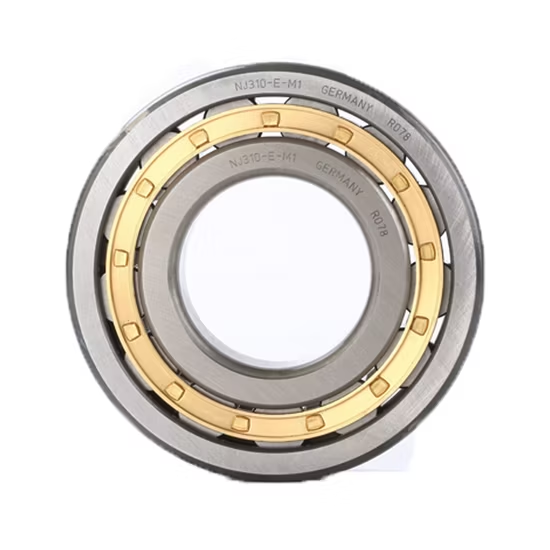
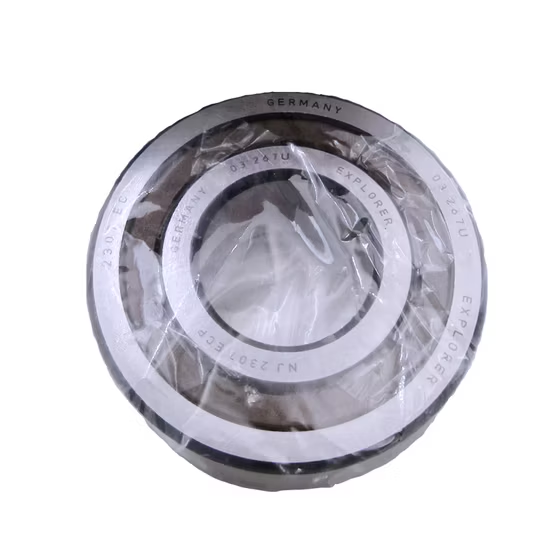
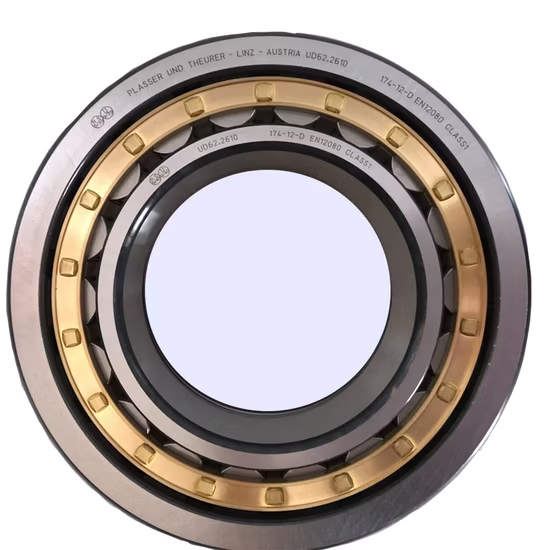
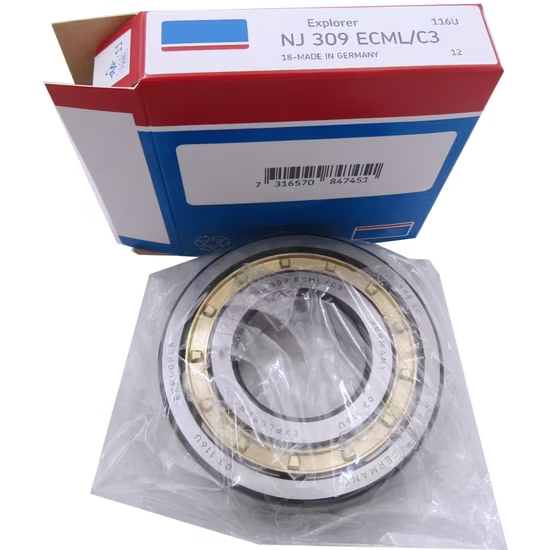

Nu302ecp Single Row Cylindrical Roller Bearing 15 mm bore — optimized internal design (E suffix) improves load distribution, while the glass fibre reinforced polyamide cage (P suffix) ensures high-speed operational stability.
Multi-Brand Authorization — A single procurement cycle covers SKF, FAG, and NSK equivalents for this Nu302ecp cylindrical roller bearing without juggling multiple vendors.
| Parameter | Value |
|---|---|
| Designation | Nu302ecp |
| Product Type | Cylindrical Roller Bearing |
| Number of Rows | Single |
| Bore Diameter (d) | 15 mm |
| Outside Diameter (D) | 42 mm |
| Width (B) | 13 mm |
| Cage Material | Glass fibre reinforced polyamide (Brass variants available) |
| Internal Design | Optimized (E suffix) |
| Separable | Yes (Separated inner and outer rings) |
| HS Code | 8482500090 |
| Origin | Germany / Japan / Sweden / Malaysia / China |
| Industry | Typical Applications |
|---|---|
| Electric Motors | Rotor shaft support in high-speed induction motors |
| Industrial Gearboxes | High-speed input shafts and intermediate gear stages |
| Machine Tools | Auxiliary drive spindles and feed mechanism shafts |
| Material Handling | Conveyor drive pulleys and light-duty roller supports |
Polyamide cages run cooler and quieter at high RPMs, but swapping them for brass without checking thermal limits causes rapid degradation.
In the Yangtze River Delta manufacturing hubs, I have seen countless small motor shafts fail prematurely because procurement teams matched the base 302 dimension but ignored the cage material suffix. When a brass cage is forced into an application designed for the lightweight, low-friction characteristics of a polyamide cage, the increased centrifugal forces and friction heat destroy the lubricant film . Sourcing a genuine Nu302ecp cylindrical roller bearing ensures the optimized internal geometry and specific cage material align perfectly with the original equipment manufacturer's high-speed design parameters.
The Nu302ecp cylindrical roller bearing is engineered for applications where radial loads are moderate but rotational speeds are exceptionally high. The glass fibre reinforced polyamide cage minimizes inertia, allowing the rolling elements to accelerate rapidly without skidding. Our technical team reviews your specific motor or gearbox speed profiles to confirm that this specific cage material provides the necessary operational stability compared to heavier metallic alternatives.
High-speed shafts generate significant friction heat, which alters the internal clearance of the bearing. If the thermal expansion of the shaft exceeds the housing expansion, a standard clearance bearing will bind and seize. Proper selection requires calculating the operating temperature delta to determine if a C3 clearance is necessary. Additionally, the polyamide cage relies on a consistent oil film; intermittent lubrication or high-temperature grease breakdown will quickly compromise the cage integrity .
The 'E' suffix indicates an optimized internal design with a maximized roller complement and improved roller end-to-flange contact geometry, which significantly reduces friction and heat generation at the flanges. The 'C' typically denotes the standard internal clearance, though C3 is frequently required for thermal compensation in enclosed gearboxes. The 'P' suffix confirms the use of a glass fibre reinforced polyamide cage, which offers superior sliding properties and lower noise levels compared to pressed steel or machined brass cages, making it the mandatory choice for precision electric motor applications.
Purchasing based solely on the '302' base number while ignoring the 'ecp' suffix inevitably leads to field failures. Installing a standard clearance bearing in a high-temperature motor results in thermal binding and catastrophic shaft scoring. Substituting the specified polyamide cage with a heavy brass variant increases centrifugal loads, leading to premature fatigue and unplanned downtime. These cross-reference errors void equipment warranties and force expensive emergency replacements, far exceeding the initial cost of the correct component.
We eliminate the risk of suffix mismatches by verifying every Nu302ecp cylindrical roller bearing against the OEM specification. Our cross-reference protocol strictly aligns the base number, clearance class, and cage material, ensuring you never receive a standard 'P' cage when a high-temperature variant is required. Every batch is traced directly to the manufacturer's production facilities, and we provide official app QR verification to guarantee authenticity, protecting your assembly line from the devastating impact of cloned counterfeit components.
To ensure the selected bearing survives your specific operational environment, please provide the exact radial and axial load profiles, maximum continuous RPM, and steady-state operating temperatures. Share the OEM equipment number or the original manufacturer's part number so our engineering team can perform a rigorous cross-reference check. This data allows us to validate the L10 life calculation and confirm whether the standard clearance and polyamide cage are optimal for your application.
Q: How do I verify the authenticity of the Nu302ecp cage material?
A: Authenticity is verified by scanning the QR code on the packaging using the official brand application. This digital trace confirms the specific batch details, including the glass fibre reinforced polyamide cage composition and the optimized internal design, ensuring the component matches the original manufacturer's exact specifications.
Q: Why must the cage material suffix match during cross-referencing?
A: The cage material dictates the bearing's speed limit and thermal behavior. Swapping a lightweight polyamide cage for a heavier brass variant in a high-speed motor increases centrifugal forces and friction heat, leading to rapid lubricant breakdown and premature failure. Exact suffix alignment prevents these catastrophic operational mismatches.
Q: What is the correct mounting procedure for this separable design?
A: The inner ring with its integral flanges and the outer ring without flanges must be mounted independently. The inner ring is typically heated and pressed onto the shaft, while the outer ring is slid into the housing. This separation simplifies installation and prevents damage to the optimized roller profiles during assembly.
Q: How do I select the right clearance class for thermal expansion?
A: Standard clearance is suitable for ambient temperatures, but high-speed electric motors generate significant shaft heat. If the shaft expands more than the housing, the internal clearance decreases, causing thermal binding. Providing your operating temperature data allows us to calculate the thermal delta and recommend a C3 clearance if necessary.
Our 5-step process ensures every order is engineered, validated, and supported for optimal performance.
Technical needs assessment
Custom specifications
Free samples for $50k+
Pre-shipment inspection
On-site & predictive
Our certified engineers respond within 24 hours with detailed technical specifications, pricing, and lead time information.


