01
Consultation
Technical needs assessment

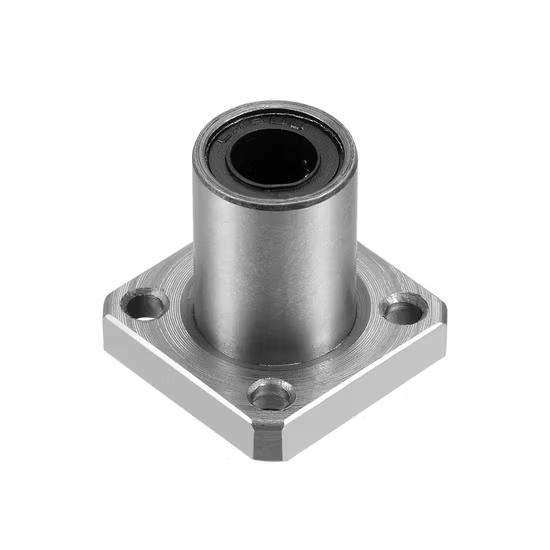
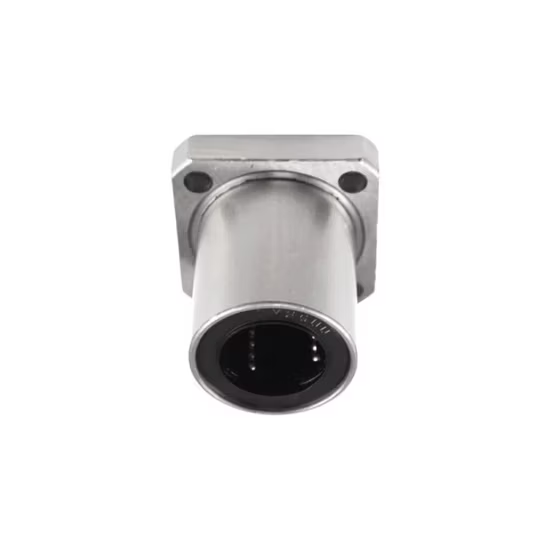
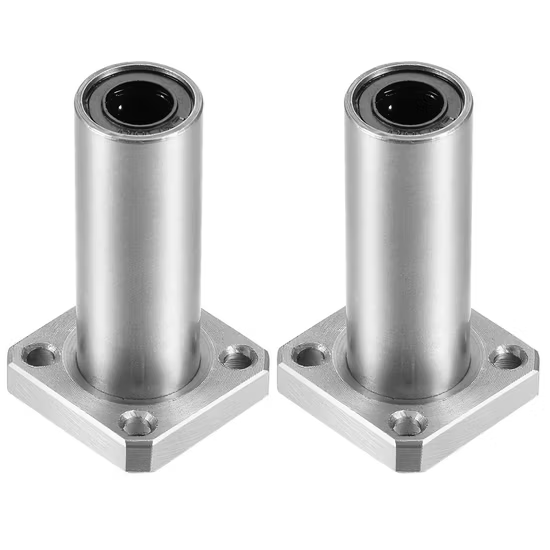
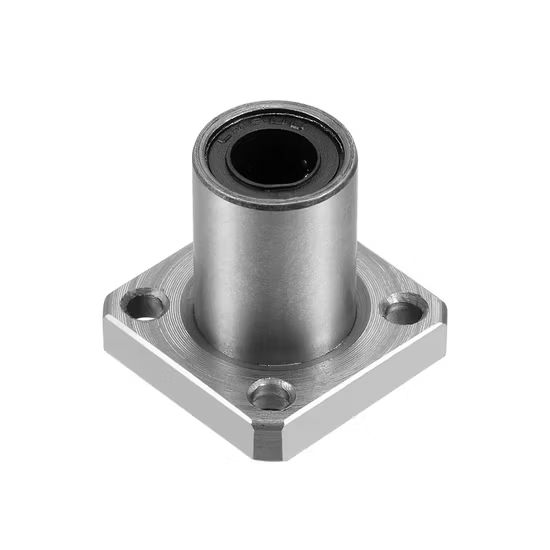
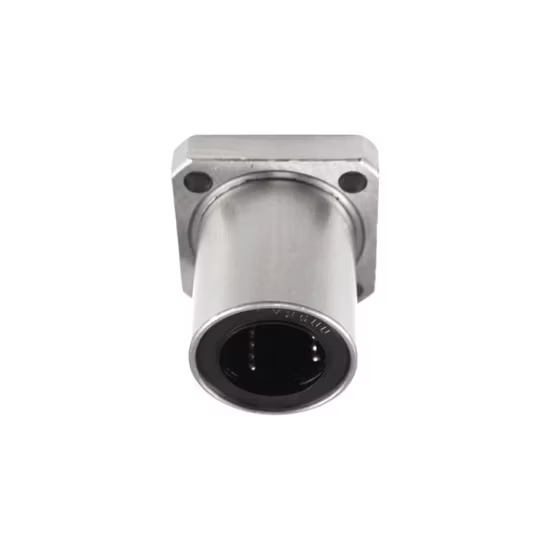
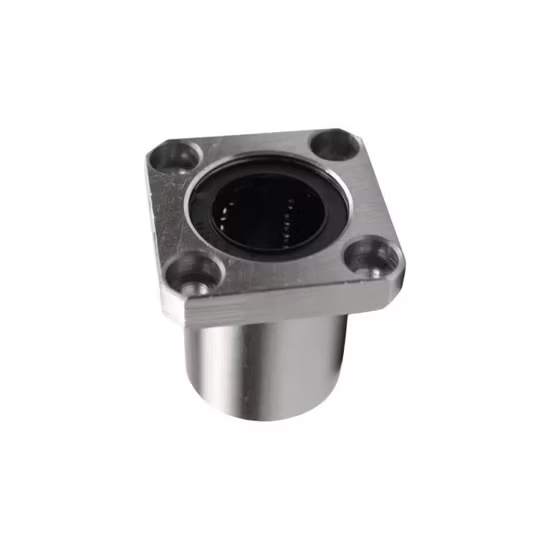
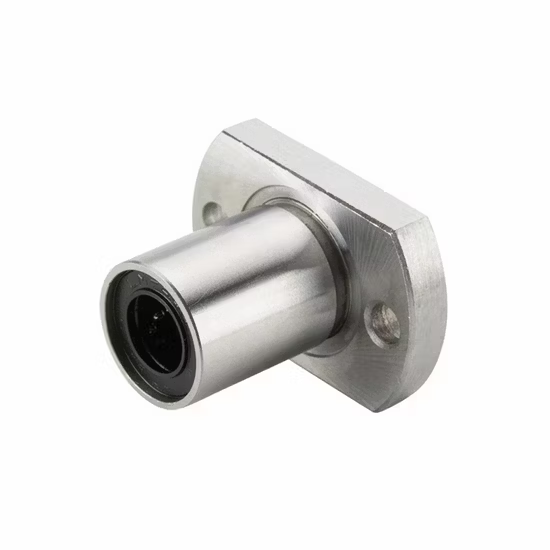
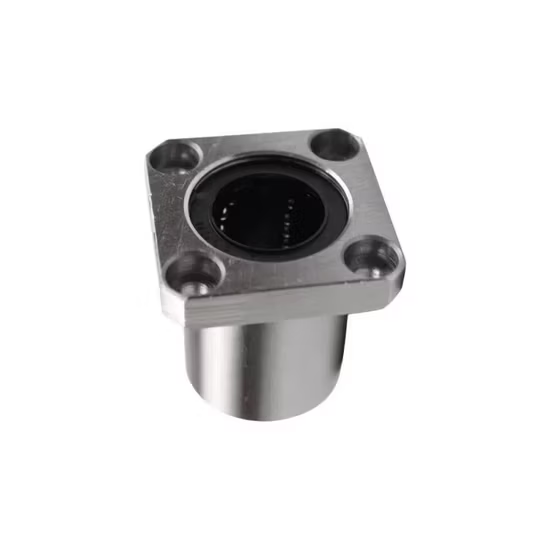
Lmuu Linear Bearing utilizes bearing steel construction and a nylon cage to deliver high-speed, low-noise operation. The circular flange design provides secure mounting for automation equipment and CNC machines.
Multi-brand authorized coverage — Source the Lmuu high speed linear bearing alongside equivalent international brands in a single consolidated shipment, eliminating the need to coordinate with multiple vendors.
| Parameter | Value |
|---|---|
| Designation | Lmuu |
| Product Type | Linear Bearing |
| Flange Shape | Circular |
| Shape | Open |
| Series | LM |
| Material | Bearing Steel |
| Feature | High Speed, Low Voice |
| Precision Rating | P0, P6, P5, P4, P2 |
| Cage Material | Nylon Cage |
| Origin | Germany, Japan, Sweden, Malaysia, China |
Note: The "uu" suffix typically denotes a closed type with seals on both sides in standard linear bearing nomenclature, though it remains an unverified suffix requiring specific manufacturer catalog confirmation for this exact series.
| Industry | Typical Applications |
|---|---|
| Automation Equipment | High-speed pick-and-place robotic arms and linear actuators |
| CNC Machines | Precision tool changer traverse mechanisms and spindle guides |
| Packaging Machinery | Rapid sealing, cutting, and material feeding linear guides |
The cage fails long before the rolling elements or the shaft show any signs of wear.
In high-speed reciprocating applications, procurement engineers often focus exclusively on the base designation and outer dimensions, completely overlooking the internal cage material. When a stamped steel cage is inadvertently installed in a high-vibration, high-speed environment instead of a polymer alternative, the metal fatigue accumulates rapidly. I have seen entire production lines halt because a fragmented cage jammed the carriage, causing catastrophic scoring on the guide shaft. Matching the exact cage material to the operational speed and vibration profile is the only way to prevent these sudden, unplanned stoppages .
Selecting the right linear motion component requires looking past the basic outer diameter and focusing on the internal geometry. The circular flange design provides a stable mounting footprint, which is critical for automated equipment experiencing rapid directional changes. By utilizing a nylon cage, the system achieves the low-voice and high-speed performance required in cleanroom or precision assembly environments. Our technical team reviews your specific load and speed parameters to ensure the selected Lmuu high speed linear bearing aligns perfectly with your machine's dynamic requirements, preventing premature thermal binding.
Linear motion systems in packaging and CNC environments face a brutal combination of rapid acceleration, high-frequency vibration, and airborne particulate contamination. At elevated speeds, friction generates significant heat within the carriage, making thermal expansion a critical factor in maintaining smooth travel. If the internal clearance is too tight, the bearing will bind; if too loose, positioning accuracy degrades. Furthermore, fine dust from cutting or packaging materials can infiltrate the carriage, acting as an abrasive paste that accelerates wear on the bearing steel . Proper seal selection and external lubrication protocols are mandatory to survive these harsh conditions.
The performance of this series hinges on the interplay between the bearing steel raceways and the nylon cage. The polymer cage significantly reduces sliding friction compared to metal alternatives, allowing for higher traverse speeds while maintaining low acoustic emissions. Available across multiple precision ratings from P0 up to P2, the selection dictates the running accuracy and positional repeatability of your equipment. A P0 grade might suffice for general material handling, but high-speed CNC spindle traverses demand P4 or P2 tolerances to prevent micro-vibrations that ruin surface finishes. The open shape configuration also allows for adjustable clearance via the housing, providing a customized fit for specific shaft tolerances.
Ignoring the specific cage material or precision suffix during cross-referencing inevitably leads to premature failure and unplanned downtime. When a base number matches but the internal design differs, the carriage may experience thermal binding under continuous high-speed operation, ultimately destroying the guide shaft and voiding equipment warranties. According to failure analysis frameworks, a significant share of premature linear guide failures stems from incorrect internal clearance or inadequate cage design for the specific vibration profile . The cost of a replacement bearing is negligible compared to the lost production hours and secondary damage caused by a shattered cage.
We do not just ship boxes; we verify that the internal structure matches your application. While standard distributors might swap a required nylon cage for a cheaper stamped steel variant that shares the same base number, our cross-reference alignment strictly covers the flange shape, cage material, and precision class. Our batch traceability ensures every unit is linked back to the manufacturer's production facilities, eliminating the risk of counterfeit units with soft inner rings that pass casual visual inspection but fail under load. This rigorous verification process guarantees that the exact Lmuu high speed linear bearing you specified is what arrives on your dock.
To ensure optimal performance and longevity, please provide your specific radial and axial load profiles, maximum traverse speeds, and operational temperature ranges. Sharing these application parameters allows our engineering team to conduct a thorough technical selection and L10 life review, confirming the ideal precision class and clearance. If you are replacing an existing component, providing the OEM equipment number enables us to perform a precise cross-reference check, ensuring all internal design features and suffix requirements are perfectly matched to your machinery.
Q: How can I verify the authenticity of these linear bearings upon delivery?
A: Every unit we supply includes batch traceability and a unique QR code. You can scan this code using the manufacturer's official mobile application to instantly verify the origin and production details. This process eliminates the risk of receiving counterfeit products with substandard bearing steel or cloned visual markings that often lead to catastrophic failures in high-speed applications.
Q: Why is matching the exact cage material critical during cross-referencing?
A: The base designation only defines the outer dimensions. If a cross-reference substitutes a required nylon cage with a stamped steel variant, the increased friction and weight will generate excess heat and vibration at high speeds. This mismatch frequently results in cage fragmentation and carriage jamming, making strict verification of internal materials essential for reliable automation equipment operation.
Q: How do I select the right precision class for my CNC or automation application?
A: The precision rating, ranging from P0 to P2, dictates the running accuracy and positional repeatability. General packaging machinery may operate flawlessly with standard P0 or P6 tolerances, but high-speed CNC tool changers and precision robotic arms require P4 or P2 grades to eliminate micro-vibrations. We review your specific positional tolerance requirements to recommend the most cost-effective and technically suitable class.
Q: What is the difference between open and closed linear bearing shapes?
A: The open shape features a slit in the outer cylinder, allowing the housing to clamp down and adjust the internal clearance to the shaft, which is ideal for fine-tuning preload in precision setups. Closed shapes are fully cylindrical and rely on fixed factory clearances. Selecting the correct shape depends entirely on your housing design and whether you need adjustable clearance for your specific application.
Q: What are the recommended lubrication practices for high-speed open linear bearings?
A: Because the open design lacks integrated internal seals that retain grease, it relies heavily on the housing's external lubrication system. You must establish a regular re-lubrication schedule using a grease compatible with the nylon cage material. Proper lubrication not only reduces friction at high speeds but also acts as a barrier against dust and particulate contamination common in CNC and packaging environments.
Our 5-step process ensures every order is engineered, validated, and supported for optimal performance.
Technical needs assessment
Custom specifications
Free samples for $50k+
Pre-shipment inspection
On-site & predictive
Our certified engineers respond within 24 hours with detailed technical specifications, pricing, and lead time information.