01
Consultation
Technical needs assessment


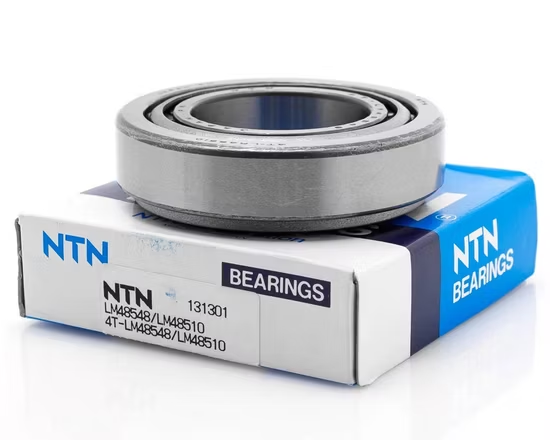
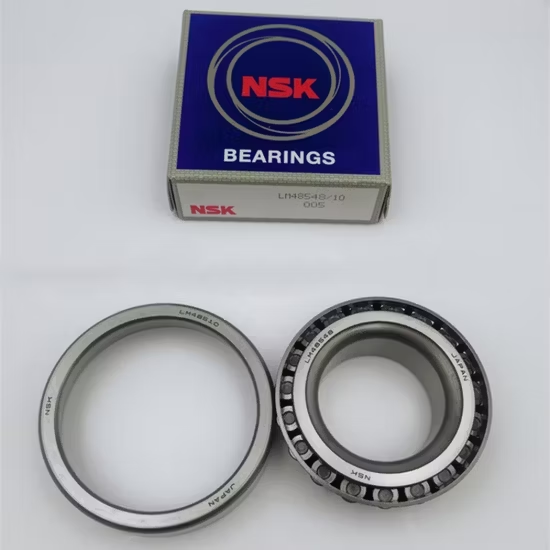
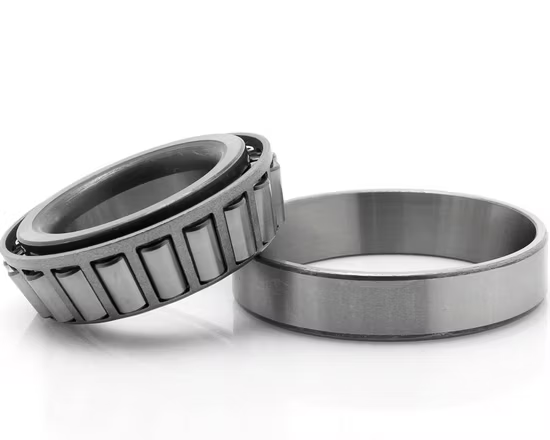
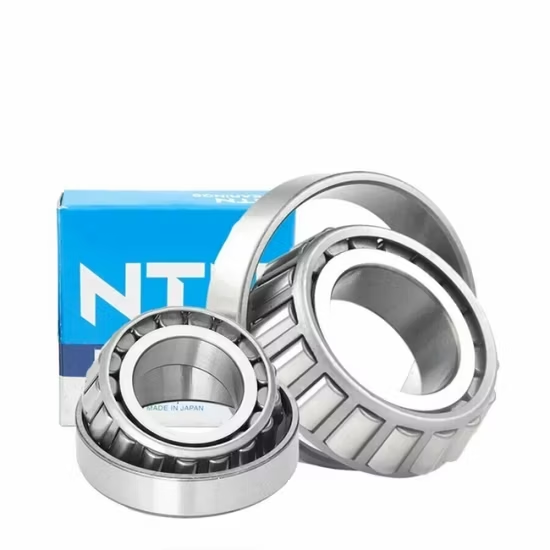
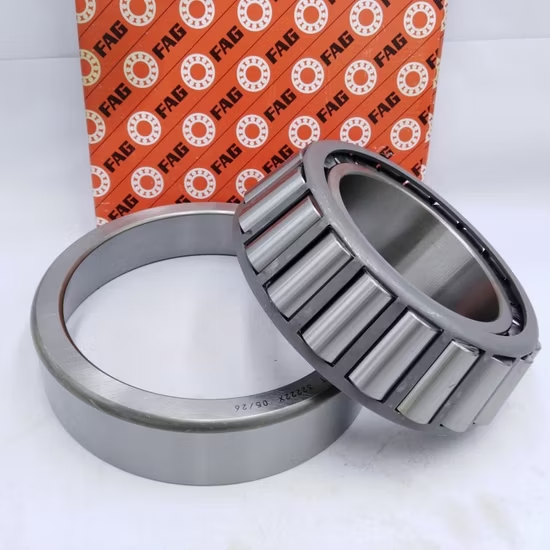
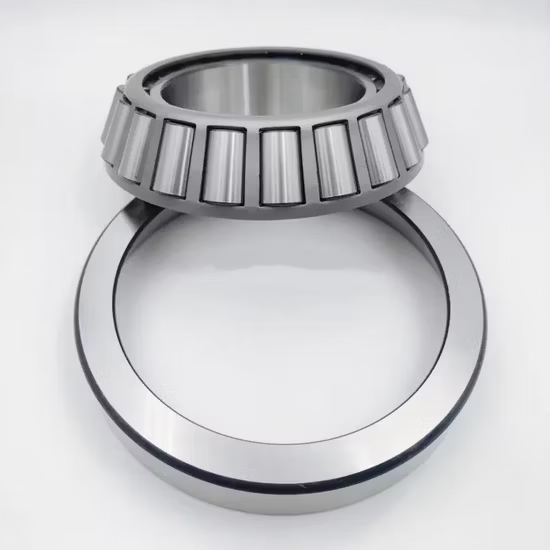
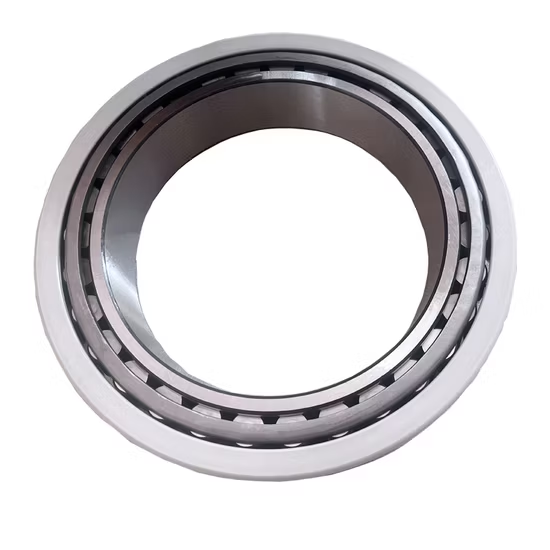
LM48548LA/10 Tapered Roller Bearing P4 — Engineered with Gcr15 chrome steel for superior wear resistance and heavy load capacity. The P4 precision class ensures tight dimensional and running accuracy required for heavy truck wheel hubs and axles.
Mixed-Brand Sourcing Simplified — Consolidate your heavy truck drivetrain orders with authorized access to every major bearing manufacturer in a single shipment.
| Parameter | Value |
|---|---|
| Designation | LM48548LA/10 |
| Bearing Type | Tapered Roller Bearing |
| Material | Gcr15 Chrome Steel |
| Precision Class | P4 |
| Cage Material Options | Nylon, Brass, or Iron |
| Origin Options | Germany, Japan, Sweden, Malaysia, or China |
Note: The 'LA' and '/10' suffixes require manufacturer catalog confirmation for exact internal design specifics.
| Industry | Typical Applications |
|---|---|
| Heavy Truck Maintenance | Differential carriers and drive axles |
| Automotive Wheel Hubs | Commercial vehicle steering knuckles and hub assemblies |
| Material Handling | Forklift mast rollers and heavy-duty conveyor drive shafts |
| Industrial Gearboxes | Reduction gear output shafts in manufacturing plants |
Matching the core digits of an LM48548LA/10 tapered roller bearing without verifying the internal geometry and cage design guarantees premature seizure under dynamic axle loads.
In my years handling aftermarket support across Latin America, I have seen countless truck axles warp simply because a replacement part matched the base designation but ignored the critical suffix requirements. When internal clearances or cage materials fail to align with the OEM specifications, thermal binding occurs rapidly during sustained highway speeds. This oversight turns a routine maintenance swap into a catastrophic drivetrain failure .
Heavy-duty truck axles subject bearings to intense combined radial and axial forces, especially during cornering and heavy braking. The LM48548LA/10 tapered roller bearing addresses these combined loads through optimized roller profiles that distribute stress evenly across the raceway. By ensuring the cross-reference aligns perfectly with the original equipment requirements, we prevent the localized stress concentrations that typically lead to spalling in commercial vehicle hubs.
Commercial vehicles operate in environments where temperature fluctuations and road debris constantly threaten bearing integrity. Selecting the correct cage material is vital; brass cages handle heavy shock loads and higher temperatures, while nylon variants reduce weight and friction in moderate conditions. Furthermore, inadequate sealing allows abrasive particulates to enter the grease cavity, accelerating wear . Proper lubrication intervals and seal integrity checks are mandatory to prevent sudden hub lockups.
The P4 precision class ensures that the dimensional and running accuracy of this component meets the stringent requirements of high-speed automotive applications. Tapered roller bearings rely on the precise intersection of the inner ring, outer ring, and roller apexes to achieve true rolling motion. The Gcr15 chrome steel construction provides the necessary core hardness and wear resistance to withstand continuous highway cruising. Selecting the appropriate clearance class is equally critical to accommodate the thermal expansion of the axle housing during operation.
Installing a bearing that matches the base number but lacks the correct internal design leads to unplanned downtime and voided equipment warranties. Misaligned contact angles or incorrect preload arrangements cause excessive friction, generating heat that degrades the lubricant and softens the raceways. Ultimately, this results in catastrophic axle damage that costs significantly more than the initial component .
Our cross-reference process strictly verifies clearance, cage material, and precision suffixes rather than relying solely on the base designation. We provide authorized coverage across all major brands, allowing you to fulfill mixed-brand workshop requirements in a single order. Every shipment includes batch traceability to the manufacturer, verified via official QR applications. Furthermore, our application-based selection review ensures the chosen component matches your specific load, speed, and temperature parameters.
To ensure optimal drivetrain longevity, share your specific radial and axial load calculations along with operating speeds for a comprehensive L10 life review. Providing the exact OEM equipment number allows our engineering team to perform a rigorous cross-reference check, verifying that all internal design suffixes perfectly match your heavy truck requirements.
Q: How do we verify the authenticity of the LM48548LA/10 tapered roller bearing upon delivery?
A: Every unit includes batch traceability documentation and a unique QR code. Procurement teams can scan this code using the manufacturer's official mobile application to instantly confirm the production facility, material grade, and exact manufacturing date, ensuring complete protection against counterfeit components with cloned visual markers.
Q: Why is cage material selection critical when interchanging this tapered roller bearing?
A: Different cage materials respond uniquely to the thermal and mechanical stresses in heavy truck axles. Brass cages offer superior durability under heavy shock loads and high temperatures, while polymer variants reduce friction. Installing the wrong cage type for your specific operating environment leads to rapid cage fragmentation and catastrophic hub failure.
Q: How does P4 precision benefit heavy vehicle repair compared to standard grades?
A: P4 precision guarantees tighter dimensional tolerances and superior running accuracy. In high-speed truck wheel hubs, this exactness minimizes vibration, reduces operational noise, and ensures even load distribution across the rollers. Standard grades often introduce microscopic misalignments that accelerate fatigue and generate excessive heat under continuous highway loads.
Q: What mounting practices are recommended to preserve the bearing's internal geometry?
A: Always use controlled induction heating for the inner ring to achieve the necessary thermal expansion without altering the Gcr15 steel's metallurgical structure. Avoid mechanical force or open flames. Additionally, precisely adjust the axle nut to establish the correct endplay, preventing both excessive preload and destructive looseness during operation.
Our 5-step process ensures every order is engineered, validated, and supported for optimal performance.
Technical needs assessment
Custom specifications
Free samples for $50k+
Pre-shipment inspection
On-site & predictive
Our certified engineers respond within 24 hours with detailed technical specifications, pricing, and lead time information.