01
Consultation
Technical needs assessment

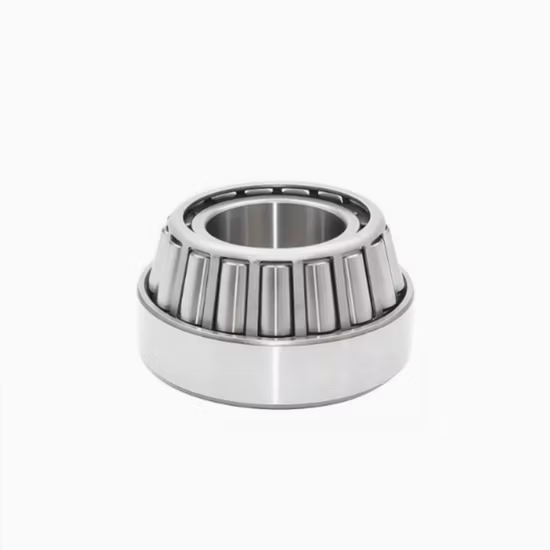
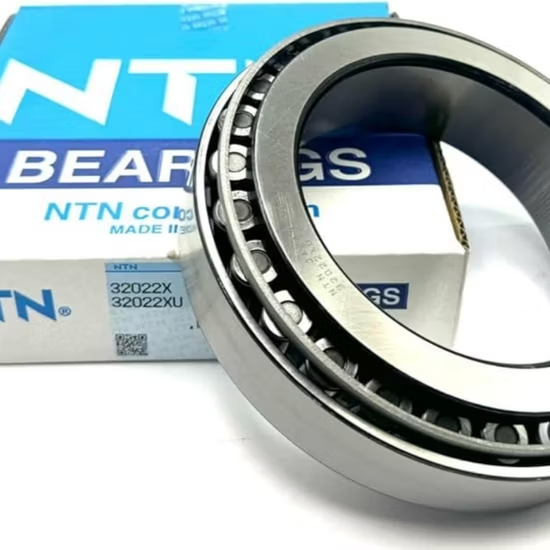
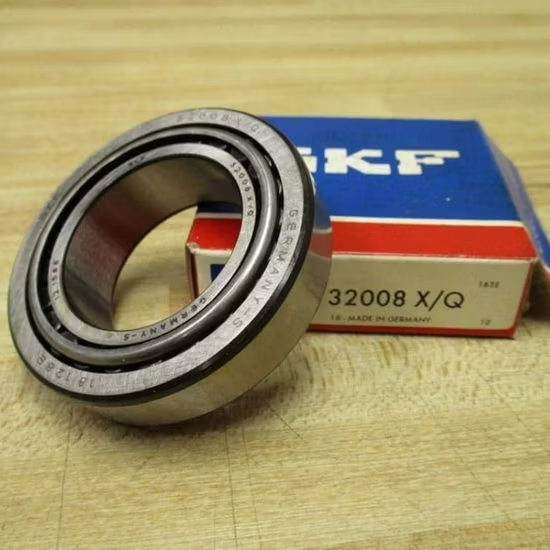
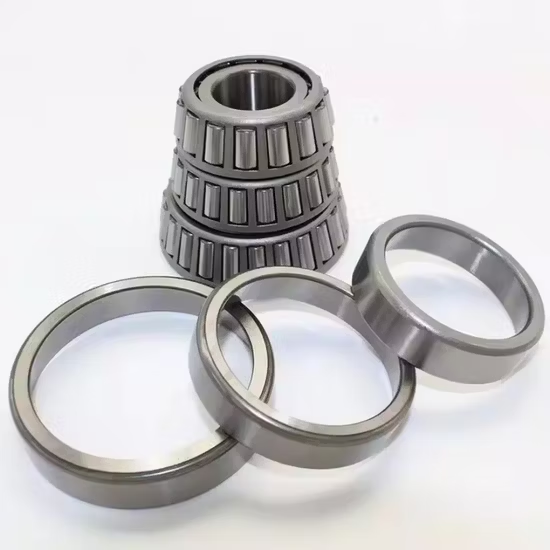
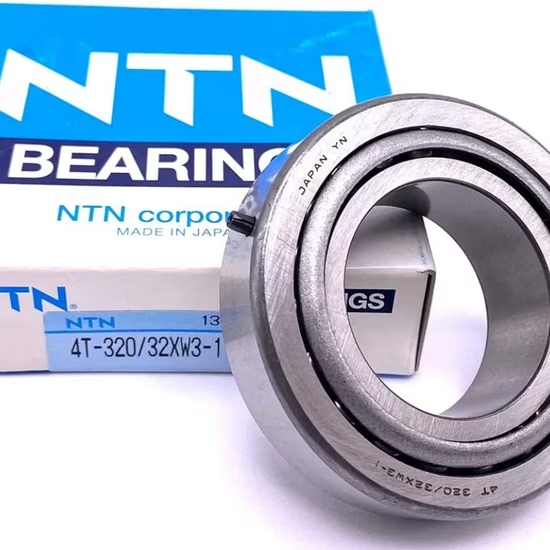
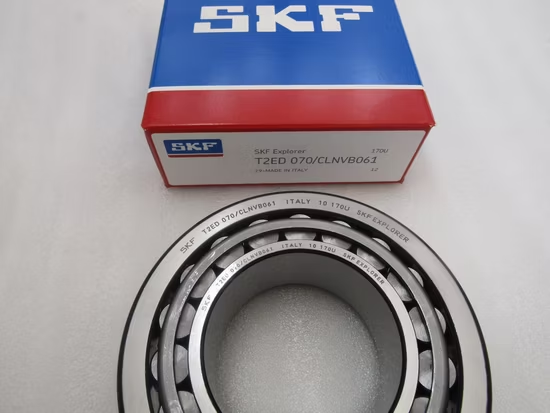
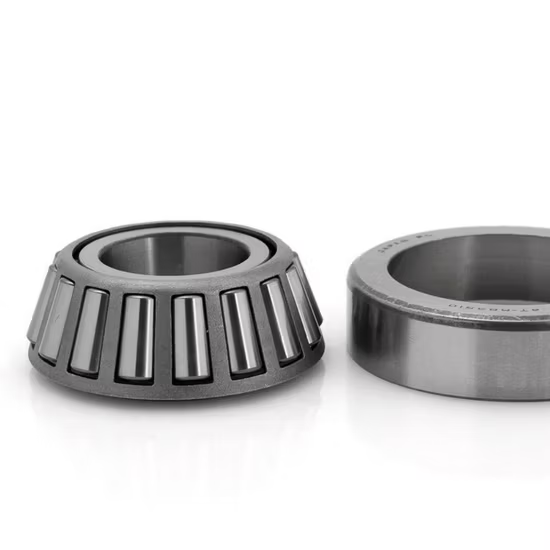
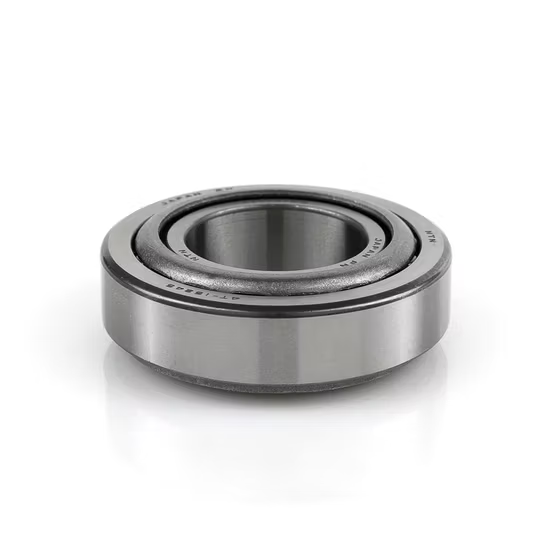
30201 30202 Tapered Roller Bearing P4 — single-row metric tapered roller bearings engineered to handle combined radial and axial loads efficiently.
Batch Traceability — Every 30201 30202 unit ships with verifiable lot records tied directly to the GCr15 steel heat number.
| Parameter | Value |
|---|---|
| Designation | 30201 30202 |
| Product Type | Taper Roller Bearing |
| Bearing Type | Single Row Tapered Roller |
| Precision Class | P4 |
| Material | GCr15 High-Carbon Chromium Bearing Steel |
| Cage Material Options | Nylon, Brass, or Pressed Steel |
| Origin | Shanghai |
| Certification | Certificate of Conformity, Material Test Report |
| Industry | Typical Applications |
|---|---|
| Industrial Gearboxes | High-speed reduction stages, input/output shaft support |
| Manufacturing Plants | Conveyor drive rollers, automated material handling axes |
| Automotive & Heavy Vehicle | Wheel hub assemblies, differential pinion shafts |
| Marine Drives | Propulsion shaft bearings, auxiliary power unit gearboxes |
A correct base designation guarantees nothing if the internal geometry and precision class are ignored.
Procurement engineers often source replacements by matching the basic metric numbers or their inch-series equivalents, only to face thermal binding shortly after installation. When a standard clearance component is forced into an application requiring thermal expansion compensation, the rolling elements skew and the cage fractures under operational heat . I have inspected scrapped assemblies where the outer dimensions matched perfectly, but the internal contact angles and precision tolerances were entirely wrong for the gearbox speed. Sourcing a 30201 30202 tapered roller bearing requires verifying the exact P4 precision rating and internal design, not just assuming dimensional interchangeability across different manufacturing batches.
Industrial gearboxes demand rotational stability that standard P0 grades simply cannot provide. The P4 precision rating of this 30201 30202 tapered roller bearing ensures tighter dimensional and running accuracy, minimizing vibration at high speeds. By securing exact specification alignment, we prevent the micro-skidding that accelerates raceway wear in precision manufacturing equipment.
Tapered roller configurations are engineered to handle combined radial and axial loads, but operational heat drastically alters internal clearance. If the ambient temperature rises or friction heat builds up during continuous duty, insufficient internal clearance leads to preload spikes and catastrophic seizure. Selecting the appropriate cage material—whether nylon for lower friction or brass for heavy shock loads—dictates how well the assembly dissipates heat and resists degradation .
The GCr15 high-carbon chromium steel provides the necessary hardenability and wear resistance for heavy-load zones. However, the cage selection is equally critical. Pressed steel cages offer high mechanical strength for shock loads, while machined brass cages handle higher speeds and better resist chemical degradation from certain lubricants. Polyamide cages reduce weight and friction but have strict thermal limits. Matching the cage to the specific speed and temperature profile prevents premature fatigue.
Installing a component that meets the outer dimensions but lacks the required P4 running accuracy introduces vibration that destroys adjacent seals and gears. According to ISO 281 life calculation frameworks, even minor deviations in load distribution caused by incorrect internal geometry drastically reduce the calculated fatigue life . This results in unplanned downtime, voided equipment warranties, and secondary damage to the housing.
We address the critical risk of soft inner rings and cloned verification codes by maintaining authorized distribution channels. For the 30201 30202 series, we verify the P4 tolerance stack-up before dispatch, ensuring the cross-reference matches not just the base metric number but the exact precision class. Our batch traceability links every component to the original manufacturer's production facilities, eliminating the guesswork in critical MRO spares procurement.
To ensure the 30201 30202 configuration meets your exact operational demands, provide your radial and axial load profiles, operating speeds, and thermal conditions. Our engineering team will perform an L10 life calculation and verify the cross-reference against your OEM equipment numbers to confirm the precision and clearance alignment.
Q: Why do inch-series cross-references sometimes fail to replace metric tapered roller bearings?
A: Matching base dimensions without verifying the internal contact angle and precision class leads to field failures. An inch-series equivalent might share the boundary dimensions but lack the P4 running accuracy or specific cage design required for your high-speed gearbox, causing thermal binding and premature cage fracture under load.
Q: How does P4 precision benefit manufacturing machinery compared to standard grades?
A: P4 precision provides significantly tighter dimensional and running accuracy, which minimizes vibration and heat generation at higher rotational speeds. This stability is critical for machine tool spindles and precision gearboxes, ensuring consistent output quality and extending the operational life of the surrounding mechanical components.
Q: How can I verify the authenticity of the GCr15 material used in these bearings?
A: We provide comprehensive material test reports detailing the chemical composition and hardenability of the GCr15 steel for every batch. Additionally, each unit features traceable lot numbers and QR codes that can be verified through official brand applications to confirm the manufacturing origin and authenticity.
Q: What factors dictate the choice between nylon, brass, or steel cages?
A: The selection depends on your specific speed, load, and temperature conditions. Pressed steel handles heavy shock loads, machined brass excels in high-speed and high-temperature environments with aggressive lubricants, while nylon reduces friction and weight but is limited by lower thermal thresholds.
Our 5-step process ensures every order is engineered, validated, and supported for optimal performance.
Technical needs assessment
Custom specifications
Free samples for $50k+
Pre-shipment inspection
On-site & predictive
Our certified engineers respond within 24 hours with detailed technical specifications, pricing, and lead time information.