01
Consultation
Technical needs assessment

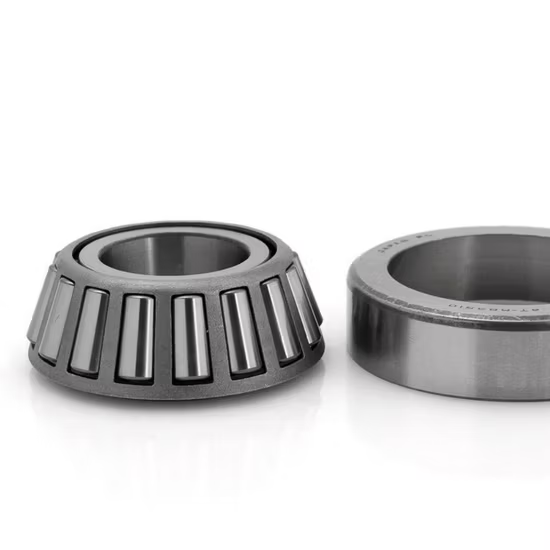
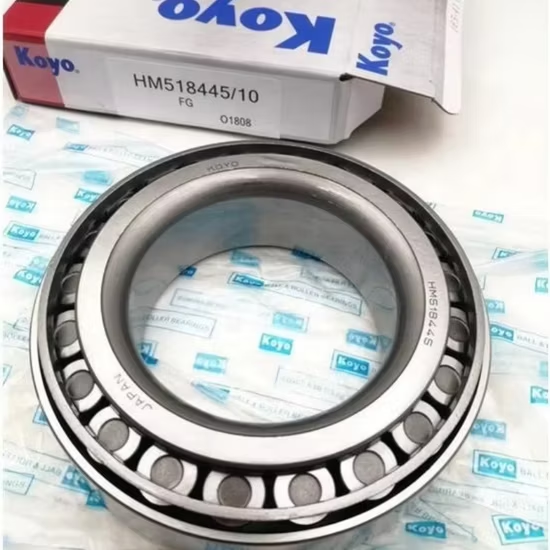
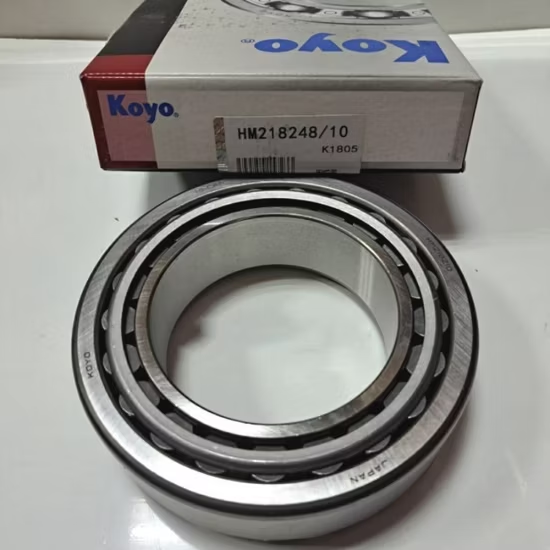
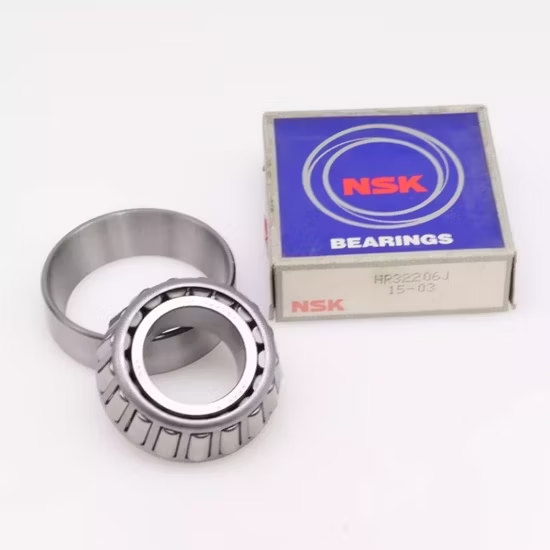

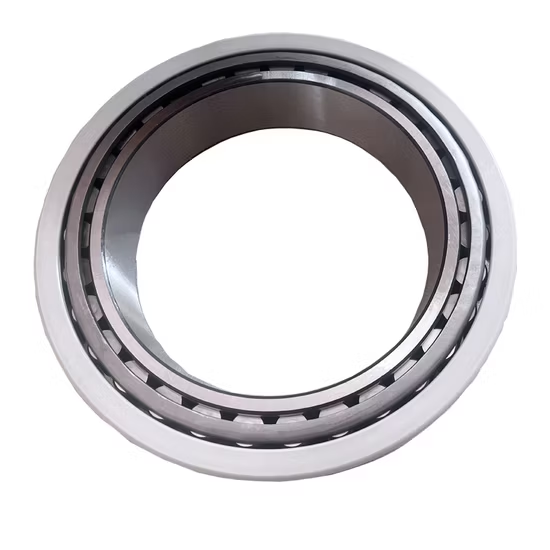
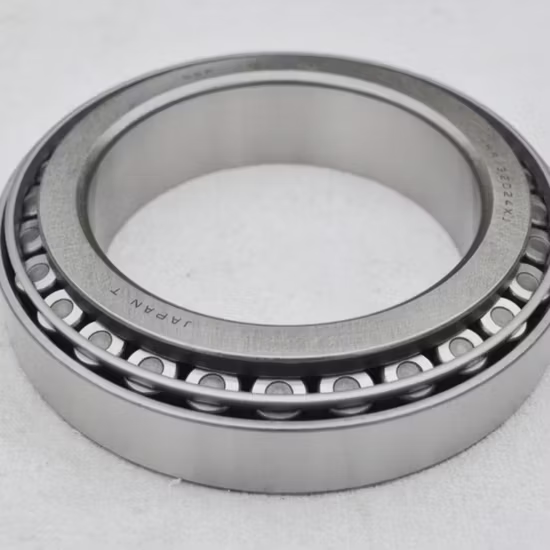
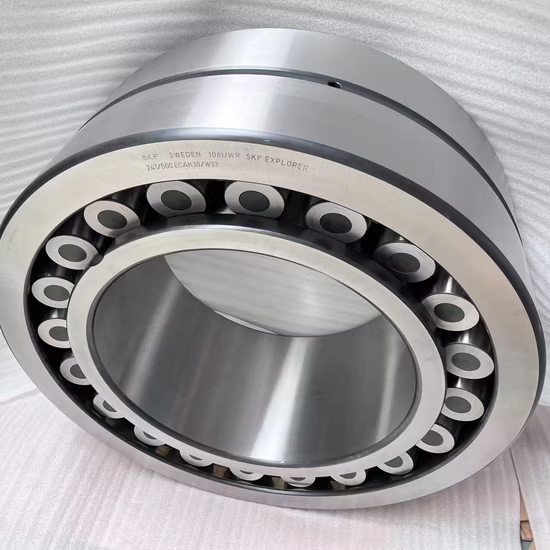
30205 Tapered Roller Bearing — Single row tapered roller design engineered to carry combined radial and unidirectional axial loads simultaneously, suitable for automobile wheel hubs, industrial gearboxes, and building material machinery.
Every shipment includes batch-level traceability with QR verification accessible through brand official apps for full authenticity confirmation.
Multi-brand authorized coverage — Source genuine 30205 units from SKF, FAG, or NSK in a single consolidated shipment without juggling multiple vendors.
| Parameter | Value |
|---|---|
| Designation | 30205 |
| Bearing Type | Single Row Tapered Roller Bearing |
| Precision Class | P4 |
| Material | GCr15 bearing steel |
| Cage Material Options | Nylon, Brass, or Iron |
| Origin Options | Germany, Japan, Sweden, Malaysia, or China |
| Certification | Certificate of Conformity, Batch Traceability |
| Industry | Typical Applications |
|---|---|
| Automotive & Heavy Vehicles | Wheel hub assemblies, differential pinion shafts, transmission mainshafts |
| Industrial Manufacturing | Heavy-duty gearboxes, conveyor drive pulleys, building material machinery rollers |
Sourcing a 30205 tapered roller bearing based solely on the base designation is a common trap that leads to catastrophic field failures.
Matching the basic number while ignoring internal clearance and cage design guarantees thermal binding under heavy loads.
I have seen this exact scenario play out on the shop floor in Shenzhen. A batch of replacement bearings was installed into high-temperature wheel hubs using standard CN clearance instead of the required C3 thermal expansion allowance. The result was rapid thermal binding, seized races, and a snapped half-shaft during a road test. When procurement teams rely on basic cross-references without verifying the exact internal geometry, they inadvertently introduce severe failure points . The financial impact of a single warranty claim far outweighs the minor savings from buying unverified stock.
Selecting the right configuration requires looking beyond the catalog number. Our engineering team reviews your specific radial and axial load profiles to ensure the chosen cage material and precision grade align perfectly with the operational demands of your automotive or industrial machinery.
Wheel hubs and industrial gearboxes subject components to intense combined loading and fluctuating temperatures. High speeds generate significant friction heat, which reduces internal clearance and compromises the lubricant film. If the initial clearance is too tight, thermal expansion forces the rollers against the raceways, causing catastrophic seizure . Proper adjustment during mounting is equally critical; excessive preload accelerates wear, while too much end-play induces destructive impact loads on the roller ends.
The P4 precision class dictates exceptionally tight tolerances for bore diameter, outer diameter, and running accuracy, which is essential for minimizing vibration in high-speed pinion shafts. GCr15 high-carbon chromium steel provides the necessary core toughness and surface hardness to resist contact fatigue under heavy rolling loads. Depending on the specific application, the cage can be configured in nylon for low-friction, high-speed operation, brass for heavy shock loads and high temperatures, or iron for cost-effective, standard-duty performance.
Installing a bearing that lacks the proper precision or clearance specification leads directly to unplanned downtime and secondary equipment damage. According to the failure analysis frameworks in ISO 281 and ISO 15243, improper mounting and incorrect internal clearance account for a significant share of premature failures . When a wheel hub seizes, the resulting torque spike can fracture the axle, voiding vehicle warranties and creating severe safety hazards.
We eliminate the guesswork by verifying every cross-reference against the original equipment manufacturer's exact requirements, ensuring the clearance and cage match the application. Every unit we supply features full batch traceability back to the manufacturer's production facilities, protecting you from counterfeits with soft inner rings. We provide comprehensive dimensional and running accuracy inspection reports that confirm the P4 tolerances before the parts leave our warehouse. Furthermore, our mixed-brand consolidation allows you to fulfill complex MRO requirements through a single, fully documented supply chain.
To ensure optimal performance, please share your specific operating parameters, including radial and axial loads, rotational speeds, and expected temperature ranges. Providing the original equipment manufacturer part numbers allows our technical team to perform a precise cross-reference check and verify the L10 life calculation for your specific application.
Q: Why is it critical to align both precision and cage material during cross-referencing?
A: Base numbers often cover multiple internal designs. A standard cage might fail under high shock loads where a brass cage is required. Similarly, substituting a P0 precision part for a P4 requirement in a high-speed gearbox will cause excessive vibration and heat. We verify all suffixes and internal specs to ensure exact functional equivalence.
Q: How does P4 precision differ from standard grades in practical applications?
A: P4 precision enforces much tighter tolerances on dimensional and running accuracy compared to standard P0 grades. In high-speed applications like differential pinions, this reduces vibration, minimizes heat generation, and ensures a stable lubricant film, ultimately extending the operational lifespan of the entire drivetrain assembly.
Q: What steps verify the authenticity of the 30205 tapered roller bearing?
A: We provide original batch traceability documents and a Certificate of Conformity. Buyers can scan the QR codes on the packaging using the manufacturer's official mobile application to instantly verify the production lot, origin, and authenticity, completely eliminating the risk of counterfeit components.
Q: How do clearance requirements differ between wheel hubs and industrial gearboxes?
A: Wheel hubs typically require specific clearance settings to accommodate thermal expansion and dynamic loads during cornering, often necessitating C3 clearance. Industrial gearboxes might demand precise preload or standard clearance to maintain gear meshing accuracy. We review your specific thermal and load profiles to recommend the correct internal geometry.
Our 5-step process ensures every order is engineered, validated, and supported for optimal performance.
Technical needs assessment
Custom specifications
Free samples for $50k+
Pre-shipment inspection
On-site & predictive
Our certified engineers respond within 24 hours with detailed technical specifications, pricing, and lead time information.