01
Consultation
Technical needs assessment


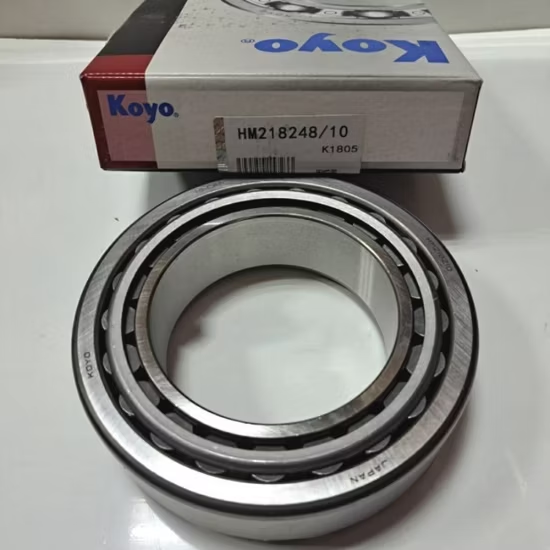
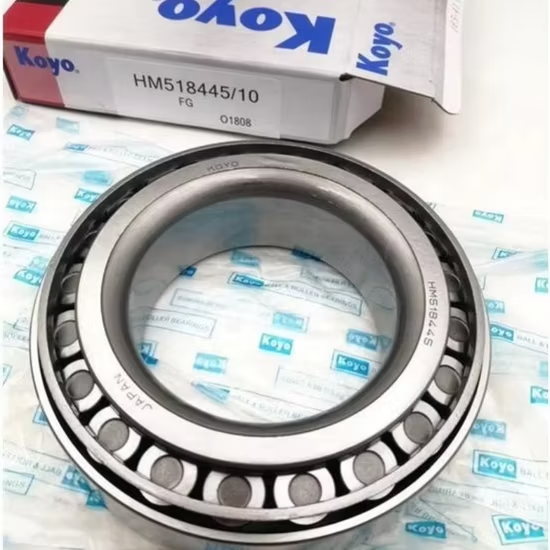
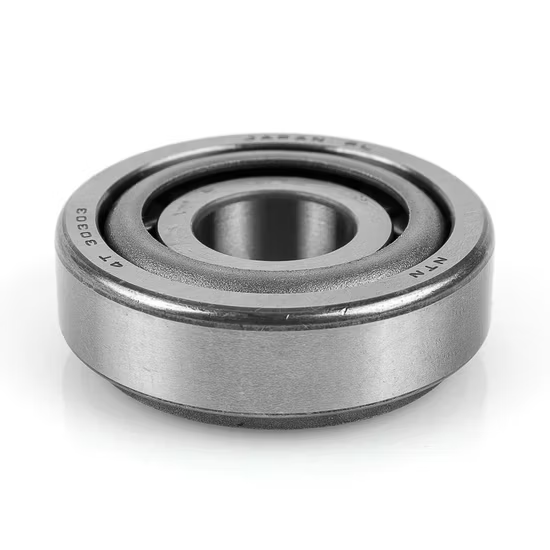
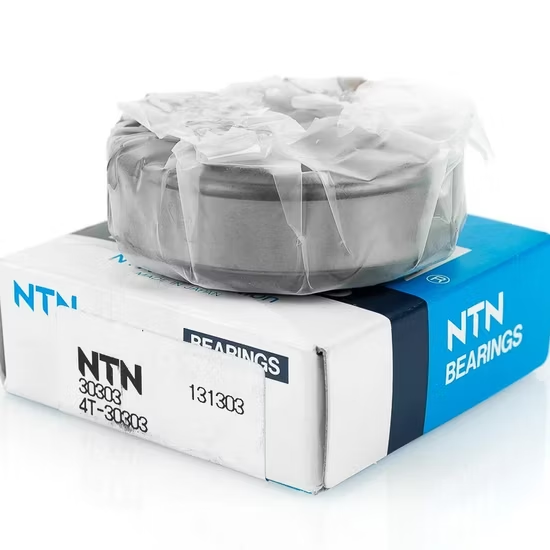

33020 Tapered Roller Bearing P4 — engineered from GCr15 steel to handle combined loads in wind turbines and gearboxes.
Full Batch Traceability — Every 33020 unit ships with verifiable lot documentation linking directly back to the manufacturer's production facilities.
| Parameter | Value |
|---|---|
| Designation | 33020 |
| Bearing Type | Tapered Roller Bearing |
| Precision Class | P4 |
| Material | GCr15 bearing steel |
| Cage Material | Available in nylon, brass, or iron variants |
| Seal or Shield Type | Open design |
| Clearance Class | Standard (CN) |
| Bore Type | Cylindrical |
| Certification | ISO 9001 compliant manufacturing |
| Industry | Typical Applications |
|---|---|
| Wind Power | Main shaft support, gearbox planetary stages, yaw drive mechanisms |
| Heavy Machinery | Industrial gearbox output shafts, heavy-duty material handling drive trains |
| Manufacturing | Large-scale machinery drive systems, crushing and mining equipment rotors |
Matching the base designation is never enough when internal clearances and cage materials dictate thermal survival in extreme climates.
I have spent years overseeing wind energy projects across the Middle East, and the desert environment is entirely unforgiving of procurement shortcuts. On one specific site, a turbine experienced catastrophic main shaft downtime simply because the installed bearings lacked the correct internal clearance and cage specifications for the ambient heat. The base number matched the OEM manual perfectly, but the absence of critical suffixes led to rapid thermal binding. When sourcing a 33020 tapered roller bearing P4 for high-stress environments, ignoring these microscopic design details guarantees premature failure . Procurement teams often focus solely on the prefix and basic dimensions, completely overlooking how cage material and precision grades interact under heavy combined loads and fluctuating temperatures.
Sourcing the correct 33020 tapered roller bearing P4 requires looking far beyond a simple catalog match. Our engineering team reviews your specific operational parameters to ensure the cross-reference aligns perfectly with the OEM equipment requirements. We verify that the precision class and internal geometry match the exact demands of your wind turbine gearbox or heavy industrial drive, preventing the all-too-common field failures caused by superficial part number matching.
Wind turbine main shafts and planetary gearboxes endure massive combined radial and axial loads, frequently accompanied by severe shock loading during sudden wind gusts. In desert environments, ambient temperatures drastically reduce the effectiveness of standard lubrication films, accelerating wear if the bearing internals cannot dissipate heat efficiently. Furthermore, fine sand and dust infiltration pose a constant threat to open bearing designs, demanding rigorous sealing solutions at the housing level. Proper mounting practices and precise preload adjustments are absolutely critical to prevent micro-movements that eventually degrade the raceways .
The base designation 33020 identifies a standard tapered roller bearing designed to handle heavy combined loads through its conical raceway geometry. Achieving P4 precision ensures significantly tighter dimensional and running accuracy compared to standard grades, which is mandatory for minimizing vibration and maintaining gear mesh alignment in high-speed turbine gearboxes. The GCr15 high-carbon chromium bearing steel provides the necessary core hardness and fatigue resistance for these demanding applications. Additionally, the availability of nylon, brass, or iron cage options allows maintenance engineers to select the optimal retainer based on the specific operating temperature and lubrication regime of the machinery.
Ordering a bearing based solely on the base number often results in severe operational disruptions once the equipment is commissioned. If a standard clearance bearing is installed where a C3 or C4 clearance was required for thermal expansion, the internal gaps will close as the shaft heats up, leading to immediate thermal binding and catastrophic cage failure. Similarly, utilizing a polymer cage in an application that exceeds its thermal limits will cause the retainer to deform and disintegrate under load. These misalignments routinely result in unplanned downtime, voided equipment warranties, and massive secondary damage to surrounding gearbox components .
We eliminate the risk of receiving counterfeit bearings with soft inner rings by providing full batch traceability for every shipment. Our cross-reference protocols specifically check for clearance, cage material, and precision suffixes, ensuring the 33020 you receive matches the exact internal design your equipment demands. We supply comprehensive dimensional and running accuracy inspection reports to independently verify the P4 precision claims before the product leaves our facility. Furthermore, our application-based selection review catches potential mismatches in load capacity or speed ratings that standard catalog lookups frequently miss.
To ensure the selected bearing perfectly matches your machinery, please provide the exact radial and axial load profiles, operating speeds, and expected temperature ranges. Sharing the specific OEM equipment number allows our technical team to perform a comprehensive cross-reference check, verifying that all internal design parameters align with the original specifications. This detailed review guarantees that the bearing supplied will deliver optimal performance and reliability in your specific application environment.
Q: How can I verify the authenticity and traceability of the 33020 bearing batch?
A: Every unit we supply includes original manufacturer batch documentation and a Certificate of Conformity. You can verify the authenticity directly using the official brand application to scan the QR code on the packaging. This process confirms the exact production lot and eliminates the risk of installing counterfeit bearings with substandard metallurgy.
Q: What cross-reference precautions are necessary for tapered roller bearings regarding suffixes?
A: Matching the base number is insufficient; you must verify the internal clearance, cage material, and precision suffixes. Installing a standard clearance bearing in a high-temperature wind turbine application will cause thermal binding. Our technical team reviews these specific parameters to ensure the cross-referenced part perfectly matches your OEM equipment requirements.
Q: How do I select the right cage material for wind turbine gearbox applications?
A: The choice between nylon, brass, or iron cages depends on your specific operating temperatures and lubrication conditions. Brass cages offer excellent durability under high loads and elevated temperatures, while nylon cages reduce weight and noise. Provide your thermal and speed parameters, and our engineers will recommend the optimal retainer material for your machinery.
Q: What is the practical difference between standard precision and P4 precision?
A: P4 precision provides significantly tighter dimensional and running accuracy compared to standard P0 or P6 grades. In wind turbine gearboxes, this enhanced precision minimizes vibration, reduces heat generation, and maintains critical gear mesh alignment under heavy loads. We provide inspection reports to verify these tight tolerances before shipment.
Q: What mounting practices are recommended for large tapered roller bearings?
A: We strongly recommend using controlled induction heating for mounting, ensuring the temperature remains within safe limits to protect the GCr15 steel structure. Proper alignment and precise preload adjustment are critical to prevent micro-movements. Always follow the manufacturer's specific guidelines for the selected cage material to avoid damaging the retainer during installation.
Our 5-step process ensures every order is engineered, validated, and supported for optimal performance.
Technical needs assessment
Custom specifications
Free samples for $50k+
Pre-shipment inspection
On-site & predictive
Our certified engineers respond within 24 hours with detailed technical specifications, pricing, and lead time information.


