01
Consultation
Technical needs assessment


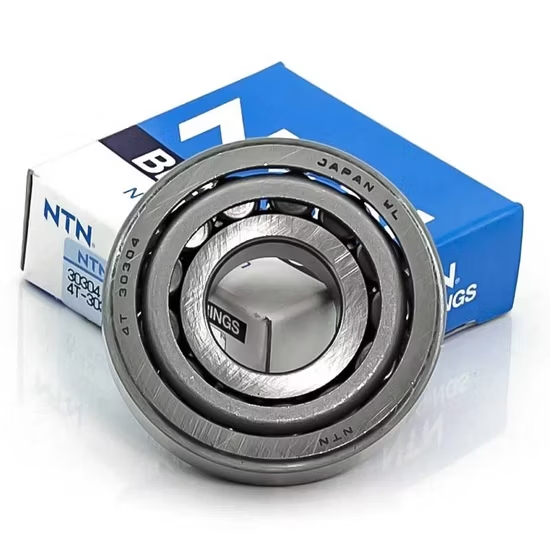

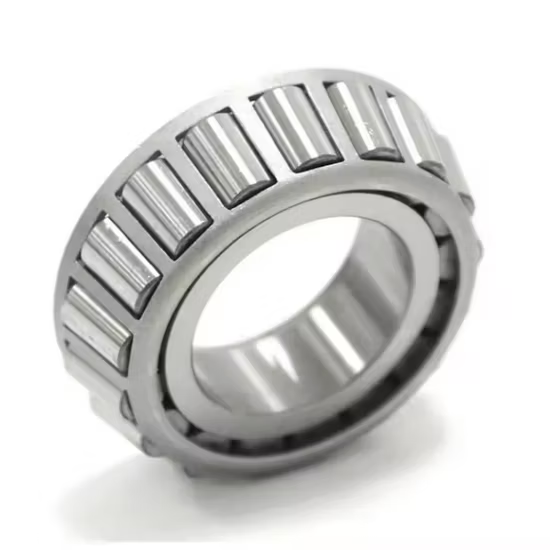
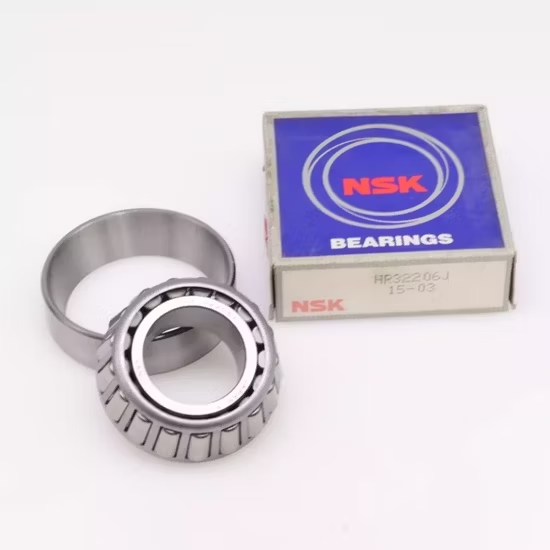

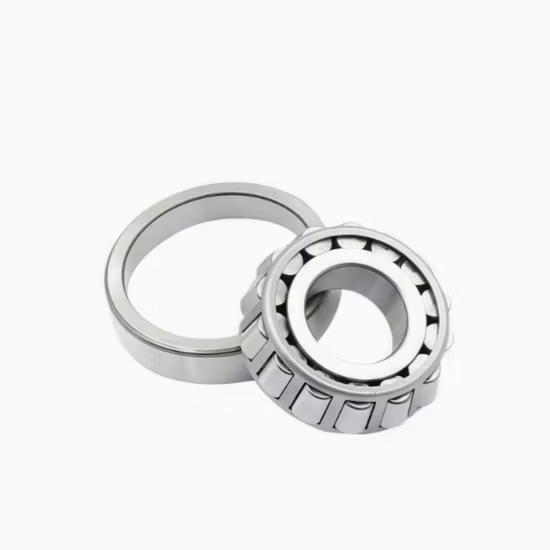
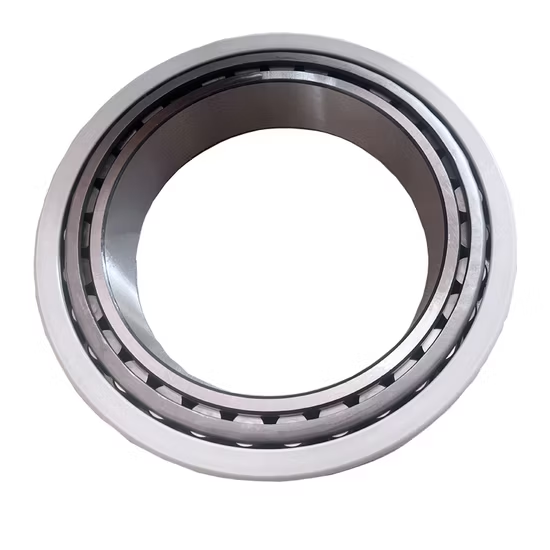
30210 Tapered Roller Bearing P4 — P4 precision class ensures strict dimensional and running accuracy for demanding wind turbine main shafts, while GCr15 steel provides excellent fatigue resistance.
Full Batch Traceability — Every 30210 tapered roller bearing ships with manufacturer lot documentation and official QR verification to guarantee authenticity.
| Parameter | Value |
|---|---|
| Designation | 30210 |
| Bearing Type | Tapered Roller Bearing |
| Precision Class | P4 |
| Material | GCr15 bearing steel |
| Cage Material | Available in Nylon, Brass, or Iron variants |
| Origin | Sourced from Germany, Japan, Sweden, Malaysia, or China |
| Industry | Typical Applications |
|---|---|
| Wind Power | Main shaft support, gearbox planetary stages, and yaw mechanisms |
| Industrial Gearboxes | Output shafts, heavy-duty reduction gear assemblies, and drive trains |
| Manufacturing Plants | Continuous casting equipment, heavy material handling conveyors, and rotary tables |
Matching the base number without verifying internal design suffixes is the primary cause of thermal binding in turbine gearboxes.
Procurement teams often source replacements by matching the basic 30210 designation, only to discover that the internal clearance, cage material, or precision grade does not align with the original equipment requirements. In wind power applications, installing a standard clearance bearing where thermal expansion demands a C3 or C4 equivalent leads to rapid preload buildup as the shaft heats up. I have personally inspected turbine gearboxes where this exact oversight caused the rolling elements to skid and the cage to fail catastrophically within months. Securing the correct internal geometry and precision class is non-negotiable to prevent these field failures .
Wind turbine drivetrains subject components to complex combined loads and continuous rotational stress. Selecting the right 30210 tapered roller bearing requires a thorough cross-reference review that goes beyond the basic designation to confirm the exact precision class and internal geometry. Our engineering team evaluates the specific load spectra and mounting arrangements of your gearbox to ensure the supplied units match the OEM performance criteria perfectly.
Turbine gearboxes operate under fluctuating thermal conditions that directly impact internal clearance and lubricant film thickness. When the operational temperature rises, the inner ring expands faster than the housing, reducing the internal clearance of the bearing. If the initial clearance was not specified to accommodate this thermal growth, the rollers will experience excessive friction. Proper lubrication selection and verifying the correct clearance class during the procurement phase are critical to maintaining a stable oil film and preventing surface fatigue .
The P4 precision class specified for this series ensures tighter dimensional and running accuracy, which is essential for minimizing vibration and noise in high-speed gearbox stages. The GCr15 high-carbon chromium bearing steel provides the necessary core hardness and wear resistance for demanding industrial environments. Furthermore, the availability of Nylon, Brass, and Iron cage options allows buyers to match the cage material to the specific operating temperature and speed requirements of their machinery. While pressed steel or iron cages offer high structural strength for heavy loads, polyamide or machined brass cages are often preferred for higher speeds and better resistance to marginal lubrication conditions.
Failing to verify the exact precision grade and internal design can result in severe unplanned downtime and catastrophic damage to surrounding gearbox components. When a bearing seizes due to thermal binding, the resulting shaft scoring and gear misalignment often require a complete drivetrain overhaul rather than a simple component swap. These secondary damages drastically inflate maintenance costs and void equipment warranties. Adhering to strict verification protocols during the sourcing phase mitigates the risk of these compounding mechanical failures .
Sourcing the 30210 tapered roller bearing requires strict attention to detail, as counterfeit units often feature soft inner rings that pass casual visual inspections but fail under load. We provide authorized channel procurement with full batch and lot traceability, ensuring every unit is genuine. Our cross-reference review specifically checks that the clearance, cage material, and precision suffixes align with your OEM requirements, preventing the common error of installing standard grades in precision applications. Additionally, we supply comprehensive dimensional and running accuracy inspection reports alongside material test reports to validate the P4 precision class before the components ever reach your site.
To ensure the selected units meet your exact operational demands, please provide the specific radial and axial loads, operating speeds, and thermal ranges of your application. Sharing the OEM equipment number or the complete designation from the existing nameplate allows our engineering team to perform an accurate cross-reference and L10 life calculation. This technical review guarantees that the clearance class and cage material supplied will perfectly match your machinery's operating environment.
Q: Why is cross-referencing just the base designation 30210 insufficient for turbine gearboxes?
A: The base number only defines the basic boundary dimensions. It does not specify the internal clearance, cage material, or precision class. Installing a standard clearance or P0 grade bearing in an application requiring thermal expansion compensation or P4 precision will lead to rapid thermal binding and premature failure under continuous operational loads.
Q: How do I choose between Nylon, Brass, and Iron cage materials for my application?
A: The choice depends on your operating temperature and speed. Nylon cages offer excellent sliding properties and are ideal for higher speeds, but have strict upper temperature limits. Brass cages provide superior strength and thermal conductivity for high-temperature environments, while Iron or pressed steel cages are typically selected for heavy-load, lower-speed applications where maximum structural rigidity is required.
Q: What does P4 precision mean compared to standard grades for this tapered roller bearing?
A: P4 precision indicates significantly tighter tolerances for dimensional accuracy and running precision compared to standard P0 or P6 grades. This high precision minimizes vibration, reduces operational noise, and ensures uniform load distribution across the tapered rollers, which is critical for extending the fatigue life of components in high-speed industrial gearboxes and wind turbine drivetrains.
Q: How can I verify the authenticity of the bearing upon delivery?
A: Every unit is supplied with official batch traceability documentation and a unique QR code. You can scan this code using the manufacturer's official mobile application to instantly verify the origin, production date, and material specifications, effectively eliminating the risk of installing counterfeits with substandard metallurgy or soft inner rings.
Our 5-step process ensures every order is engineered, validated, and supported for optimal performance.
Technical needs assessment
Custom specifications
Free samples for $50k+
Pre-shipment inspection
On-site & predictive
Our certified engineers respond within 24 hours with detailed technical specifications, pricing, and lead time information.