01
Consultation
Technical needs assessment



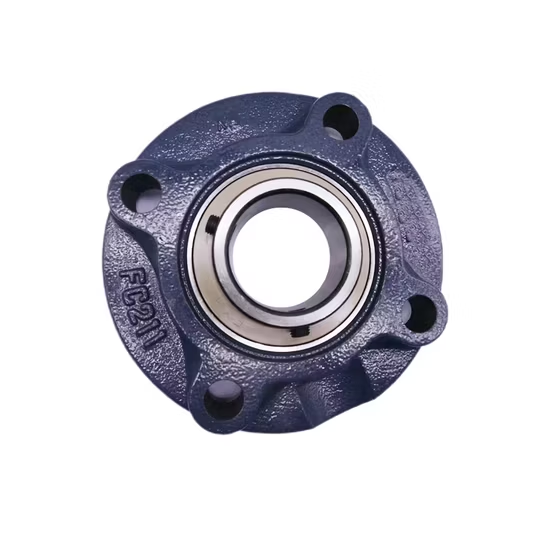
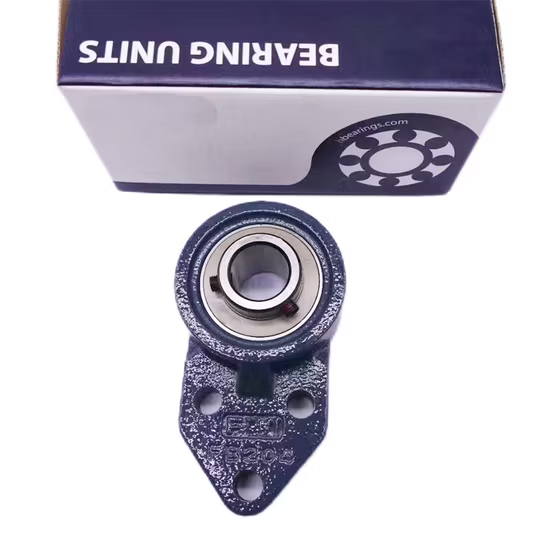
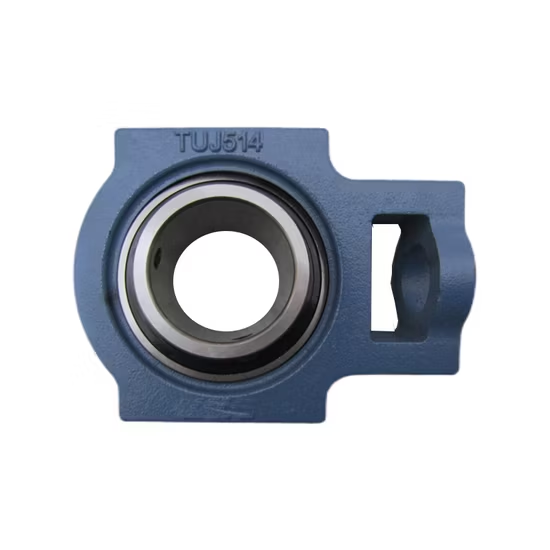
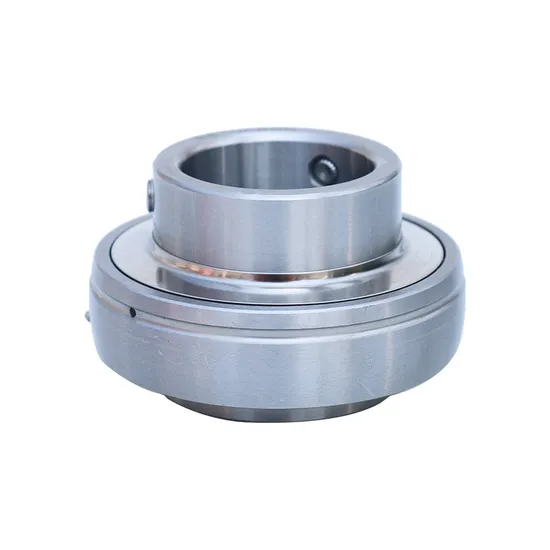
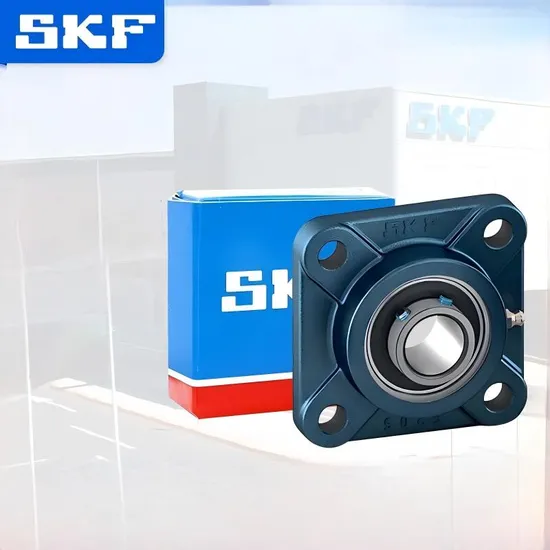
UCP201-8 UCP202-10 UCP204-12 UCP205-14 UCP205-15 UCP205-16 Pillow Block Bearings feature cast iron housings and deep groove raceways for stable radial load support in high-temperature, corrosive agricultural and conveyor applications.
Verified Origin — Authenticate every cast iron housing instantly by scanning the QR code through the manufacturer's official application.
| Parameter | Value |
|---|---|
| Designation | UCP201-8 UCP202-10 UCP204-12 UCP205-14 UCP205-15 UCP205-16 |
| Product Type | Pillow Block Bearing |
| Bearing Type | Insert Bearing with Cast Iron Housing |
| Bore Diameter (d) | Inch sizes (1/2" to 1") |
| Housing Material | Cast Iron |
| Bearing Block Model | P (Pillow Block) |
| Locking Mechanism | Set Screw |
| Raceway Type | Deep Groove |
| Rows Number | Single |
| Feature Options | Corrosion Resistant, High Temperature, High Speed variants |
| Origin | Germany / Japan / Sweden / Malaysia / China |
| HS Code | 8483200000 |
Note: Specific inch bore suffixes and UCP unit designations are unverified suffixes — requires manufacturer catalog confirmation for exact dimensional tolerances.
| Industry | Typical Applications |
|---|---|
| Agricultural Machinery | Combine harvester rotor drives, tractor PTO shaft supports, irrigation pivot joints |
| Material Handling | Belt conveyor tail pulley shafts, bucket elevator return idlers, sorting line transfer rollers |
| Textile Manufacturing | Loom take-up rollers, yarn tensioning shafts, spinning frame draft rollers |
Matching the base designation without verifying the inch bore suffix leads to immediate shaft binding.
Procurement teams often assume that a UCP205 is a universal replacement, overlooking the critical difference between metric and inch bore tolerances. In tropical climates across Southeast Asia, I have witnessed entire conveyor lines halt because a standard CN clearance insert was forced into a high-temperature drive shaft, causing thermal expansion to lock the bearing solid. Sourcing a UCP series inch size pillow block bearing requires strict alignment of the locking mechanism, internal clearance, and exact fractional bore dimensions to prevent catastrophic field failures .
Selecting the correct UCP series inch size pillow block bearing goes far beyond matching the outer housing footprint. The deep groove raceway design handles the radial loads typical in conveyor systems, but the internal geometry must accommodate the specific shaft material and operating temperature. Our technical review process evaluates the exact application parameters to ensure the set screw locking mechanism will not damage the shaft surface under heavy vibration, providing reliable torque transmission for agricultural and industrial drives.
Agricultural and material handling environments introduce severe contamination and fluctuating thermal cycles. High dust levels demand effective sealing solutions that prevent abrasive ingress without generating excessive friction heat. When ambient temperatures rise, the internal clearance must accommodate the differential thermal expansion between the steel shaft and the cast iron housing. If the lubrication interval is ignored or the wrong grease viscosity is applied, the bearing will rapidly degrade under combined radial and light axial loads .
The UCP prefix designates a pillow block unit featuring a cast iron housing and an insert bearing secured via set screws. The numerical suffixes, such as -8, -10, -12, -14, -15, and -16, specifically denote the inch bore diameter fractions, which dictate the exact shaft mating tolerance. Unlike metric equivalents, these inch-size designations require precise cross-referencing to ensure the housing center height and bolt hole spacing align perfectly with the existing machinery footprint, preventing misalignment that accelerates wear.
Installing a metric bore insert into an inch-size shaft, or ignoring the required clearance class, results in unplanned downtime and severe shaft scoring. According to ISO 15243 frameworks, improper fitting and clearance loss are primary drivers of premature fatigue and smearing failures. When a bearing seizes due to thermal binding, the resulting torque spike can shear drive keys, destroy gearbox seals, and void equipment warranties, turning a minor component replacement into a major mechanical overhaul .
Sourcing genuine components requires more than just matching a part number on a screen. We provide authorized coverage across major brands, ensuring your mixed-brand orders are fulfilled with exact suffix matching. Our cross-reference protocol verifies the internal clearance and locking mechanism, not just the base UCP designation. Every batch is traced back to the manufacturer, eliminating the risk of counterfeit housings with soft cast iron that crack under impact loads, ensuring your agricultural machinery operates without interruption.
To ensure optimal performance, please provide your specific radial and axial load calculations, operating speed, and ambient temperature ranges. Sharing the exact OEM equipment number or shaft dimensions allows our engineering team to perform a precise cross-reference check and confirm the L10 life expectancy for your selected UCP series inch size pillow block bearing.
Q: How do inch bore suffixes like -12 or -16 differ from metric UCP equivalents?
A: The suffixes indicate specific fractional inch bore diameters, which require different shaft machining tolerances compared to metric sizes. Using a metric insert on an inch shaft causes improper interference fits, leading to inner ring creep or thermal binding. Always verify the exact suffix to ensure the set screw locking mechanism engages the shaft correctly.
Q: Which seal type is best for high-dust agricultural environments?
A: For severe dust and dirt exposure, triple-lip contact seals are highly recommended over standard single-lip or shielded variants. They provide superior contamination exclusion, though they generate slightly more friction. We review your specific shaft speed and temperature to recommend the optimal sealing arrangement that balances protection with operational efficiency.
Q: How do I ensure the housing center height matches my existing conveyor frame?
A: Cross-referencing must include the housing block model and exact dimensional drawings, not just the insert bearing number. Different manufacturers may vary slightly in base thickness or bolt hole spacing. We provide detailed dimensional inspection reports and cross-brand interchange data to guarantee the physical footprint aligns perfectly with your mounting surface.
Q: When should I choose a cast iron housing over a pressed steel alternative?
A: Cast iron P-block housings offer superior vibration damping and structural rigidity, making them essential for heavy radial loads and high-speed agricultural drives. Pressed steel housings are lighter and suited for light-duty, low-speed applications. We evaluate your specific load profile to determine the appropriate housing material boundary for your equipment.
Our 5-step process ensures every order is engineered, validated, and supported for optimal performance.
Technical needs assessment
Custom specifications
Free samples for $50k+
Pre-shipment inspection
On-site & predictive
Our certified engineers respond within 24 hours with detailed technical specifications, pricing, and lead time information.
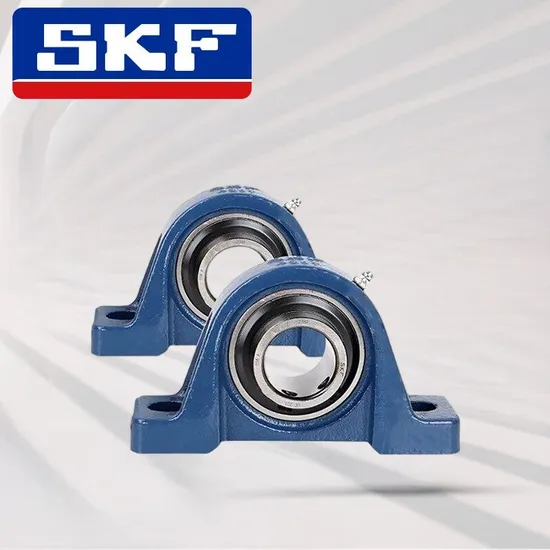
![Genuine UC201-UC208 Insert Ball Bearings Pillow Block Unit Authorized [WARN] draft identifier mismatch](https://skfiso.com/wp-content/uploads/2026/09/genuine-uc201-uc208-insert-ball-bearings-pillow-block-unit-authorized-warn-draft-identifier-mismatch-61c97f.avif)