01
Consultation
Technical needs assessment


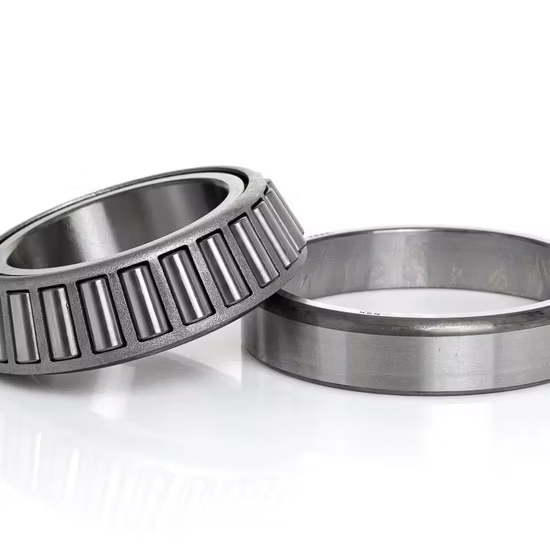
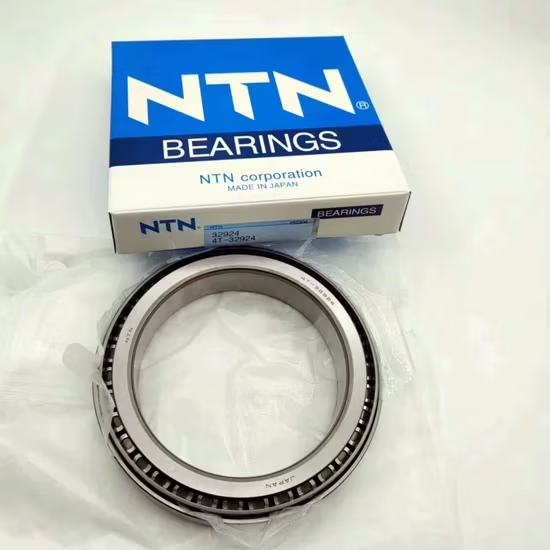
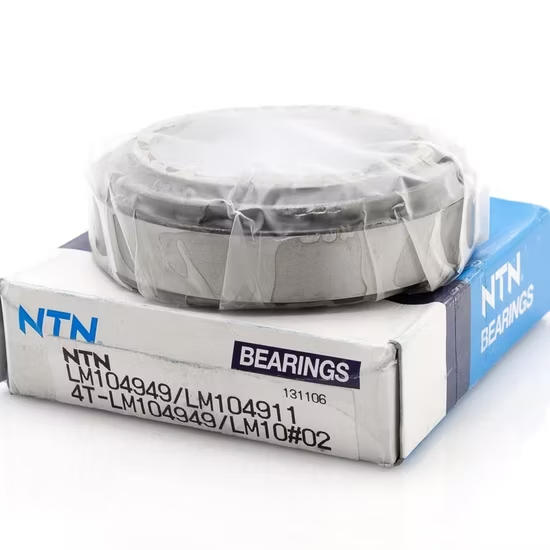
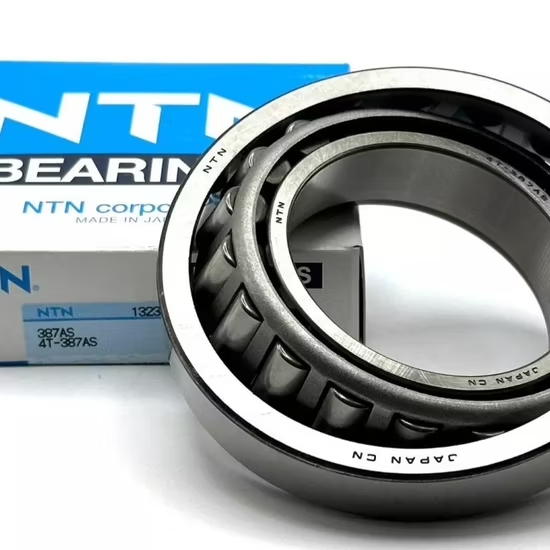
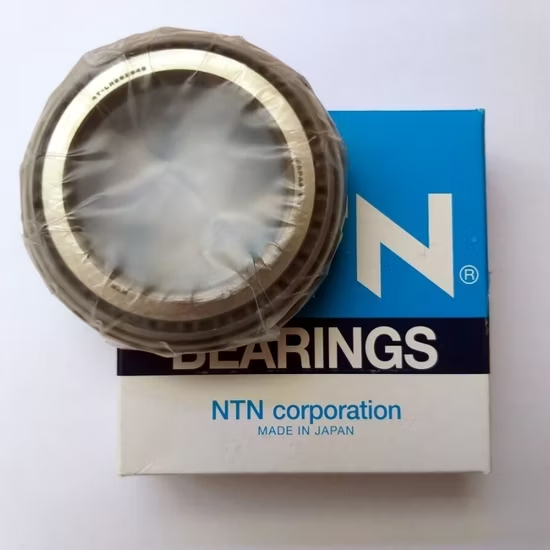
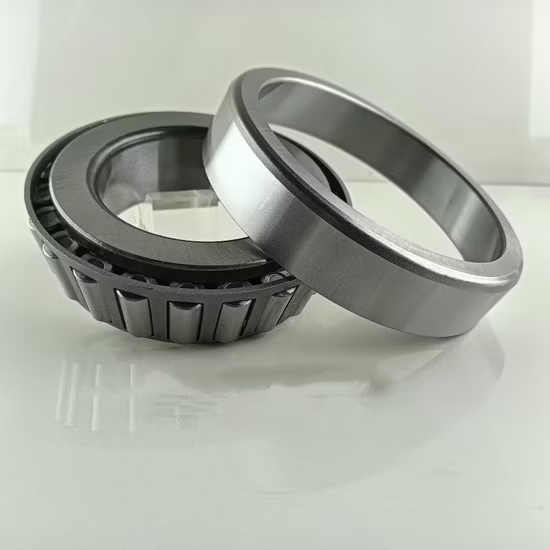
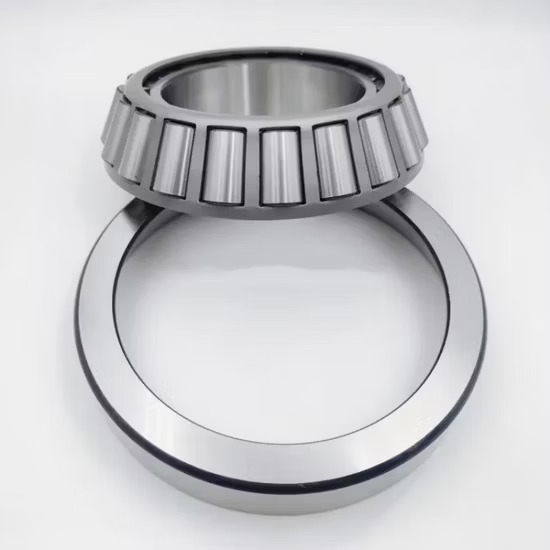
28985/28921 Inch Tapered Roller Bearing P4 — precision-manufactured with GCr15 bearing steel to handle heavy radial and axial loads.
Every shipment includes a comprehensive documentation package with material test reports and dimensional inspection certificates.
Traceable Batch Origin — Every 28985/28921 tapered roller bearing ships with manufacturer lot documentation to verify its authentic production run and prevent counterfeit integration.
| Parameter | Value |
|---|---|
| Designation | 28985/28921 |
| Bearing Type | Tapered Roller Bearing |
| Precision Class | P4 |
| Cage Material | Available in nylon, brass, or iron variants |
| Material | GCr15 bearing steel |
| Origin | Sourced from authorized facilities in Germany, Japan, Sweden, Malaysia, or China |
| Industry | Typical Applications |
|---|---|
| Mining and Crushing | Vibratory screen mechanisms and primary crusher eccentric shafts |
| Automotive and Heavy Transport | Heavy-duty truck axles and commercial vehicle wheel hub assemblies |
| Industrial Power Transmission | High-torque industrial gearbox pinion and output shaft supports |
| General Manufacturing | Material handling conveyor drive rollers and heavy-duty agitator shafts |
Internal clearance mismatch, rather than material fatigue, triggers the majority of early seizures in heavy-duty inch-series tapered applications.
Working across remote mining sites in Latin America, I have witnessed countless assemblies lock up simply because a standard clearance was installed where thermal expansion demanded a wider internal gap. When cross-referencing ignores internal design nuances, the resulting friction generates heat faster than the lubricant can dissipate it . This oversight routinely turns a scheduled maintenance replacement into a catastrophic, unplanned shutdown.
Selecting the correct internal geometry for a 28985/28921 tapered roller bearing requires looking far beyond the basic inch-series designation. Our engineering review evaluates the specific radial and thrust load ratios of your equipment to ensure the roller contact angles and cage designs align with your operational reality. This prevents the premature wear that occurs when generic catalog substitutions are forced into demanding applications.
Inch-series tapered configurations in heavy machinery must endure severe combined loading, often accompanied by heavy shock loads from crushing or hauling operations. Elevated operating temperatures significantly impact internal clearance, making the correct initial gap selection critical to prevent thermal binding under continuous duty. Furthermore, environments laden with abrasive dust demand robust sealing solutions and appropriate cage materials to maintain lubricant integrity . Proper mounting practices, including precise preload adjustment during assembly, are equally vital to achieve the expected service life.
Achieving P4 precision in this inch-series format ensures tighter dimensional and running accuracy, which is essential for minimizing vibration in high-speed gearbox applications. The GCr15 bearing steel construction provides the necessary core toughness and raceway hardness to withstand heavy contact stresses. Depending on the specific thermal and speed requirements of your machinery, the cage can be specified in nylon for reduced friction, brass for high-vibration resilience, or iron for extreme temperature stability.
Relying solely on basic dimension matching while ignoring internal design variations leads to premature spalling and catastrophic cage failure. When the internal geometry does not match the application's thermal profile, the resulting localized overheating compromises the lubricant and destroys the raceway . Such failures void equipment warranties and trigger severe financial losses through extended downtime and collateral shaft damage.
Our authorized multi-brand coverage allows you to consolidate mixed-brand requirements into a single, fully documented shipment. We match cross-references based on internal clearance, cage material, and precision class, preventing the dangerous assumption that identical base numbers guarantee identical internal geometries. Every unit includes batch traceability to the manufacturer, verified through official brand applications to eliminate the risk of cloned QR codes. Furthermore, our application-based selection review ensures the chosen configuration can withstand your specific load, speed, and temperature parameters.
To ensure optimal performance, please provide your specific radial and axial load profiles, operating speeds, and expected thermal ranges for a comprehensive L10 life calculation. Sharing the original OEM equipment number allows our technical team to perform a rigorous cross-reference check, verifying that the internal geometry and clearance match the factory specification. This collaborative review guarantees the selected configuration aligns perfectly with your machinery's operational demands.
Q: How can I verify the authenticity of the 28985/28921 tapered roller bearing?
A: Authenticity is confirmed by scanning the packaging QR code using the manufacturer's official mobile application, which links directly to the production database. Additionally, we provide original batch traceability documents and a Certificate of Conformity. This dual-verification process effectively eliminates the risk of installing counterfeit components with soft inner rings that plague the heavy machinery aftermarket.
Q: Why is cross-referencing more than just matching the base designation?
A: Matching only the base numbers often overlooks critical internal variations such as cage material, precision class, and internal clearance. Installing a standard clearance variant in an application requiring thermal expansion compensation leads to rapid overheating and seizure. Our technical review ensures all internal geometries align with your specific operational loads and temperatures.
Q: How do I choose between nylon, brass, and iron cages?
A: The cage material must match your operating environment and speed requirements. Nylon cages offer low friction and quiet operation but have strict temperature limits. Brass cages provide excellent durability and vibration resistance, while iron cages are suited for extreme thermal conditions. We evaluate your specific machinery parameters to recommend the optimal variant.
Q: What does the P4 precision class mean for this inch-series bearing?
A: The P4 classification indicates tighter dimensional and running accuracy compared to standard tolerance grades. This enhanced precision minimizes vibration and ensures uniform load distribution across the tapered rollers. It is particularly critical for high-speed industrial gearboxes where shaft runout and operational noise must be strictly controlled.
Our 5-step process ensures every order is engineered, validated, and supported for optimal performance.
Technical needs assessment
Custom specifications
Free samples for $50k+
Pre-shipment inspection
On-site & predictive
Our certified engineers respond within 24 hours with detailed technical specifications, pricing, and lead time information.