01
Consultation
Technical needs assessment

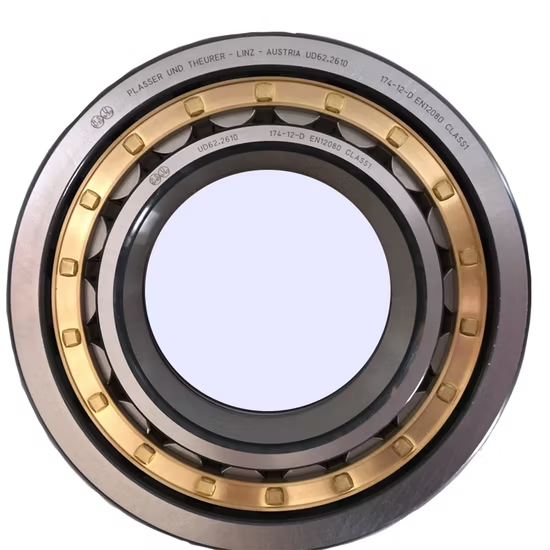
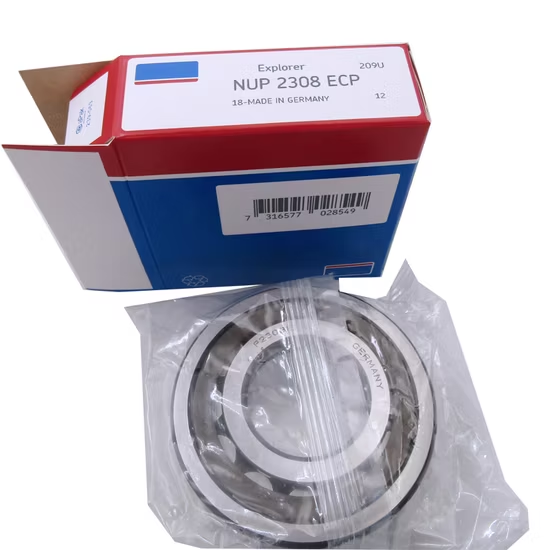
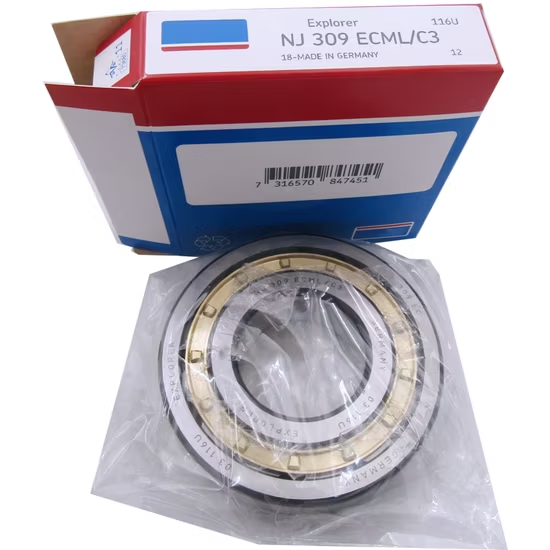
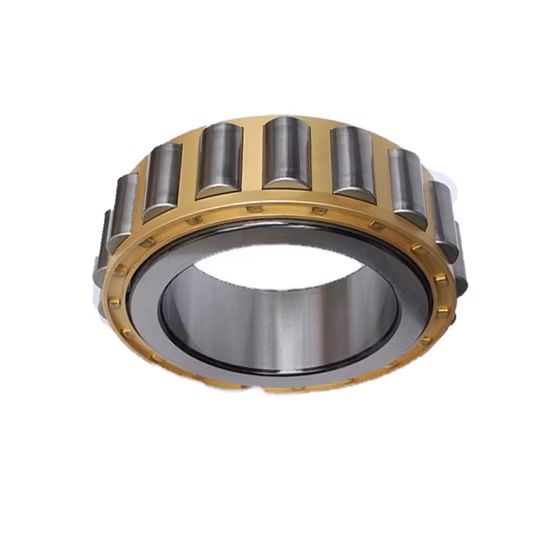
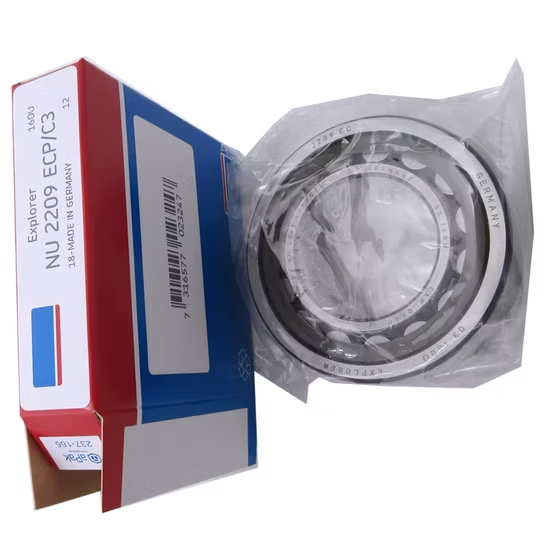
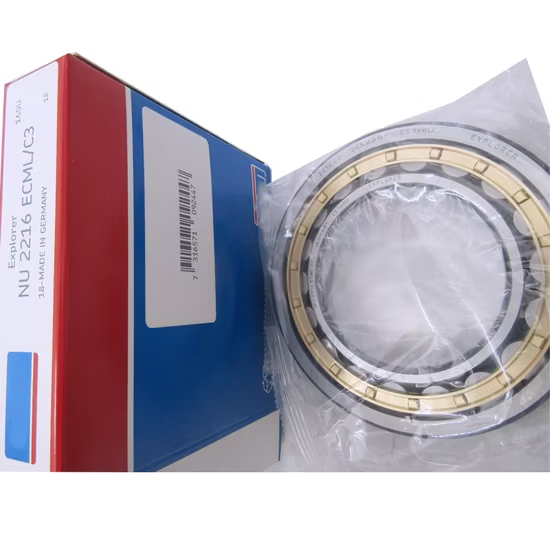
Nu 221 Cylindrical Roller Bearing 105 mm Bore — inner ring with two integral flanges and separable outer ring without flanges.
Official App QR Verification — Every Nu 221 unit we dispatch includes a scannable code linking directly to the manufacturer's authenticity database.
| Parameter | Value |
|---|---|
| Designation | Nu 221 |
| Bearing Type | Cylindrical Roller Bearing |
| Bore Diameter (d) | 105 mm |
| Outside Diameter (D) | 190 mm |
| Width (B) | 36 mm |
| Cage Material | Brass |
| Seal or Shield Type | Open |
| Clearance Class | CN / C3 / C4 (Options) |
| Precision Class | P0 / P6 / P5 (Options) |
| Bore Type | Cylindrical |
| Arrangement | Separated |
| Origin | Germany / Japan / Sweden / Malaysia / China |
| Industry | Typical Applications |
|---|---|
| Heavy-duty Gearboxes | High-speed shaft supports and intermediate gear stages |
| Traction Motors | Rotor shaft support in electric and hybrid drivetrains |
| Rolling Mills | Work roll and backup roll neck positions |
| Industrial Gearboxes | Main drive shafts requiring high radial load capacity |
Matching the base designation is never enough when internal clearances and cage materials dictate thermal survival.
I have seen procurement teams source a Nu 221 cylindrical roller bearing based solely on the core number, only to watch the cage shatter under high-speed thermal expansion. When a standard stamped steel cage replaces a machined brass one in a heavy-duty gearbox, the resulting friction melts the retaining flanges. Sourcing errors like this bypass visual inspection but trigger catastrophic field failures .
Selecting the correct configuration requires looking past the outer dimensions. We review your specific radial load profiles and thermal cycles to ensure the Nu 221 cylindrical roller bearing delivers stable performance. Our technical team cross-references OEM equipment numbers to guarantee the internal geometry matches the original design intent.
Gearbox environments subject components to intense radial forces and fluctuating temperatures. If the operating temperature rises significantly, a standard clearance will close up, causing the rollers to bind against the flanges. Proper oil circulation is critical to carry away friction heat, especially when the bearing runs without integrated seals. Misaligned housings further concentrate stress on the roller ends, accelerating surface fatigue .
The Nu prefix indicates an inner ring with two integral flanges and an outer ring without flanges, allowing the bearing to accommodate axial displacement in both directions. This separated design simplifies mounting and dismounting during routine maintenance. The machined brass cage provides superior structural integrity under heavy loads and high speeds compared to lighter alternatives. While some catalogs list variants like Ecp or Ecm, these unverified suffixes require strict catalog confirmation before procurement to ensure cage material compatibility.
Installing a component with the wrong clearance class leads to unplanned downtime and severe secondary damage. When thermal expansion eliminates the internal clearance, the resulting friction can weld the rollers to the raceway. Such catastrophic failures void equipment warranties and force expensive gearbox rebuilds. Adhering to failure analysis frameworks helps identify these root causes before they escalate .
We maintain authorized distribution channels to eliminate the risk of soft inner rings that fail under load. Every shipment includes batch traceability, ensuring you know exactly which facility produced your components. Our cross-reference protocol aligns the base number, clearance class, and cage material simultaneously. This rigorous verification prevents the subtle mismatches that generic traders routinely overlook.
To facilitate an accurate technical review, please provide the specific radial loads, operating speeds, and expected thermal ranges of your application. Sharing the original OEM equipment number allows our engineers to perform a precise cross-reference check. This data ensures the selected configuration matches your operational demands and prevents premature wear.
Q: Why must clearance and cage suffixes be verified during cross-referencing?
A: Base numbers only define outer dimensions. A mismatch in clearance causes thermal binding, while an incorrect cage material leads to high-speed fragmentation. Verifying all suffixes ensures the replacement survives the specific thermal and mechanical stresses of your gearbox application.
Q: How do brass cages compare to other materials in this application?
A: Machined brass cages offer superior structural stability under heavy radial loads and high vibrations. Unlike polyamide cages that degrade at elevated temperatures, or stamped steel that may fracture under severe shock loads, brass maintains its integrity in demanding industrial gearboxes.
Q: How does the official app QR verification prevent counterfeit installation?
A: Counterfeiters often clone visual markings but fail to replicate secure digital batch records. Scanning the QR code links directly to the manufacturer's database, confirming the metallurgical origin and production date, ensuring no soft-ringed fakes enter your critical machinery.
Q: When should C3 clearance be selected over standard CN for this bearing?
A: C3 clearance is necessary when the inner ring runs significantly hotter than the outer housing, or when heavy interference fits are used. This extra internal space accommodates thermal expansion, preventing the rollers from binding and generating destructive friction during continuous operation.
Our 5-step process ensures every order is engineered, validated, and supported for optimal performance.
Technical needs assessment
Custom specifications
Free samples for $50k+
Pre-shipment inspection
On-site & predictive
Our certified engineers respond within 24 hours with detailed technical specifications, pricing, and lead time information.


