01
Consultation
Technical needs assessment

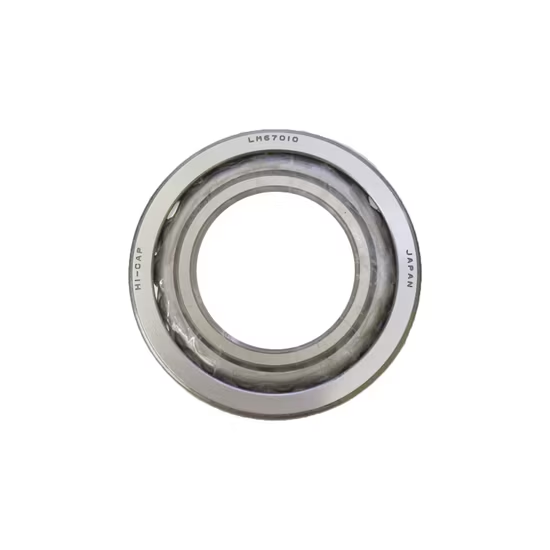
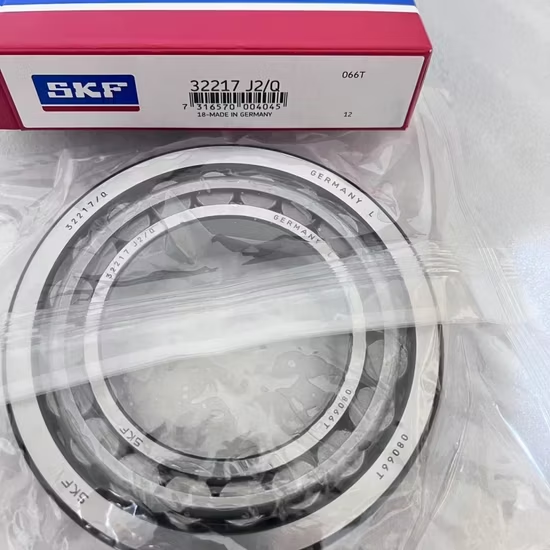
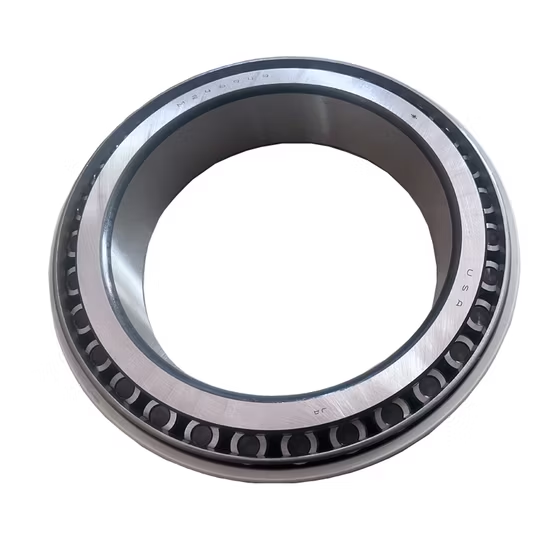

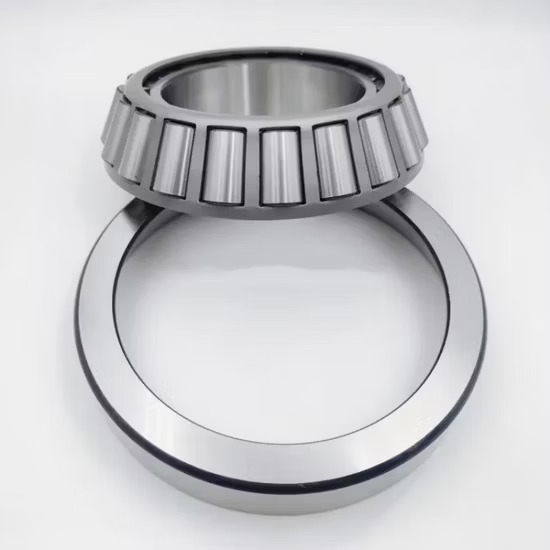
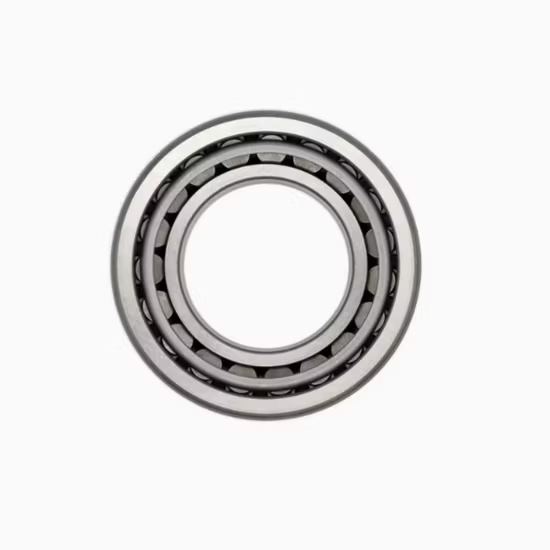
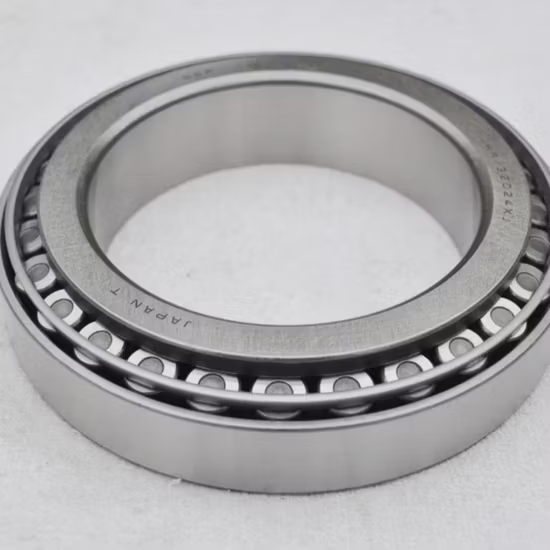
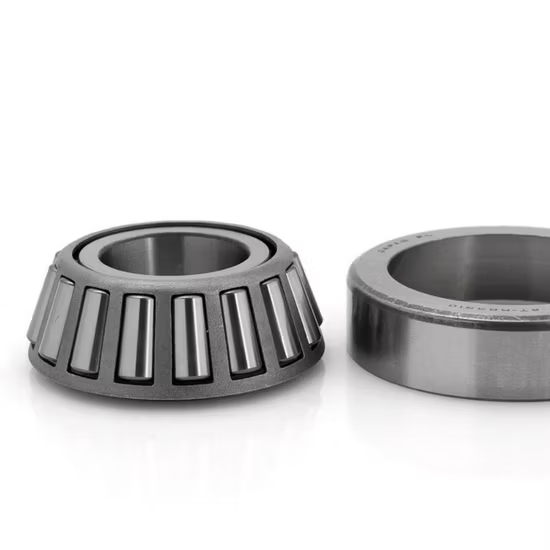
30217 30218 Tapered Roller Bearing P4
Cross-Reference Alignment — We verify clearance, cage material, and precision suffixes for every 30217 30218 tapered roller bearing order, preventing the thermal binding failures I frequently diagnosed in Latin American mining sites.
| Parameter | Value |
|---|---|
| Designation | 30217 30218 |
| Product Type | Double Row Tapered Roller Bearing |
| Number of Rows | Single Row (Standard) / Double Row (Paired) |
| Precision Class | P4 |
| Cage Material Options | Nylon, Brass, or Pressed Steel |
| Material | GCr15 Bearing Steel |
| Origin Options | Germany, Japan, Sweden, Malaysia, China |
| HS Code | 8482500090 |
| Industry | Typical Applications |
|---|---|
| Agricultural Machinery | Combine harvester rotor drives, tractor final drive hubs |
| Industrial Gearboxes | Heavy-duty reduction gear shafts, conveyor drive pulleys |
| Building Material Shops | Brick extruder auger shafts, mixer drum trunnions |
| Automotive & Heavy Repair | Commercial vehicle wheel hubs, trailer axle assemblies |
Matching the base designation without verifying internal geometry is the fastest route to catastrophic downtime.
In heavy agricultural and industrial environments, a 30217 30218 tapered roller bearing installed with standard CN clearance instead of the required C3 will thermally bind once the gearbox reaches operating temperature. I have seen this exact oversight seize crusher shafts in remote sites because the cross-reference only checked the numbers, ignoring the thermal expansion needs of the application . When procurement teams rely on superficial catalog mat*d welds the rollers to the raceway.
Selecting the right 30217 30218 tapered roller bearing requires looking past the basic dimensions to evaluate how the internal components handle specific operational stresses. Our engineering review ensures that the chosen cage material—whether nylon for reduced friction, brass for high-vibration resilience, or pressed steel for cost-effective durability—aligns perfectly with your gearbox speed and load profile. By supplying P4 precision components, we provide the tighter dimensional tolerances necessary to minimize vibration in high-speed agricultural rotor drives.
Power transmission in farm and manufacturing equipment involves severe combined loading, where radial forces from gear meshing intersect with axial thrust from helical gear angles. These combined loads generate significant internal heat, making the correct internal clearance critical to prevent the rolling elements from skidding or binding . Furthermore, agricultural environments introduce abrasive dust and moisture, demanding that the selected bearing arrangement maintains adequate lubrication film thickness while resisting contamination ingress at the sealing interfaces.
The 30217 and 30218 designations represent standard metric tapered roller bearings optimized for combined loads, but their true performance relies on the unlisted internal parameters. The P4 precision class guarantees stricter running accuracy than standard P0 grades, which is essential for minimizing noise and heat generation in industrial gearboxes. Since these designations lack standardized suffixes in the basic part number, specifying the exact cage material and clearance class during procurement is mandatory. The GCr15 high-carbon chromium steel provides the necessary core toughness and raceway hardness to withstand the shock loads typical in harvesting and material handling equipment.
Installing a bearing that matches the base number but fails in internal design leads to unplanned downtime that far exceeds the component cost. A cage failure caused by selecting a polymer retainer for an application requiring brass will result in catastrophic damage to the shaft and housing . When precision requirements are overlooked, the resulting vibration accelerates gear wear and voids equipment warranties, turning a simple maintenance task into a major rebuild project.
We prevent cross-reference errors by validating not just the 30217 30218 base numbers, but the exact clearance and cage requirements for your specific machinery. Our authorized multi-brand network allows us to source these precise configurations from Germany, Japan, or Sweden without forcing you to coordinate with multiple vendors. Every shipment includes batch traceability and dimensional inspection reports, ensuring the P4 tolerances are met before the bearings reach your workshop. We focus on application-based selection, catching the subtle internal design differences that generic distributors miss.
To ensure the 30217 30218 tapered roller bearing configuration matches your exact operational needs, please provide the radial and axial load profiles, operating speeds, and expected temperature ranges. Share the OEM equipment numbers or existing housing dimensions so our technical team can perform a precise cross-reference and L10 life calculation. This data allows us to recommend the optimal cage material and clearance class, preventing premature failures in your specific application.
Q: Why must clearance and cage material be verified alongside the base designation?
A: Base numbers only define external dimensions. Internal clearance dictates thermal expansion limits, while cage material determines vibration and speed capabilities. Ignoring these parameters during cross-referencing leads to thermal binding or cage fracture under field loads, causing catastrophic equipment downtime.
Q: How do nylon, brass, and pressed steel cages differ in agricultural gearboxes?
A: Nylon cages offer low friction and quiet operation but have strict temperature limits. Brass cages provide superior durability under high vibration and shock loads typical in harvesting equipment. Pressed steel cages offer a balanced, cost-effective solution for standard industrial speed and load conditions.
Q: What is the practical difference between P4 and standard P0 precision?
A: P4 precision provides significantly tighter dimensional and running accuracy tolerances than P0. In high-speed industrial gearboxes, this reduces vibration, minimizes heat generation, and extends the operational life of both the bearing and the mating gear components.
Q: How do single row and double row tapered roller bearings differ in application?
A: Single row bearings handle combined loads in one direction and require a paired opposing bearing for axial location. Double row configurations manage bidirectional axial loads and heavy radial loads within a single compact housing space, simplifying gearbox design and preload adjustment.
Q: How can we verify the authenticity of the supplied bearings?
A: We provide batch traceability documents and Certificates of Conformity. Buyers can scan the manufacturer's QR codes using official brand applications to verify the metallurgical origin, exposing counterfeits that rely on cloned labels and soft inner rings.
Our 5-step process ensures every order is engineered, validated, and supported for optimal performance.
Technical needs assessment
Custom specifications
Free samples for $50k+
Pre-shipment inspection
On-site & predictive
Our certified engineers respond within 24 hours with detailed technical specifications, pricing, and lead time information.