01
Consultation
Technical needs assessment


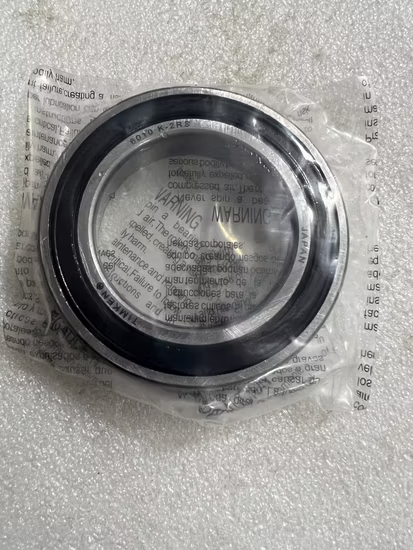
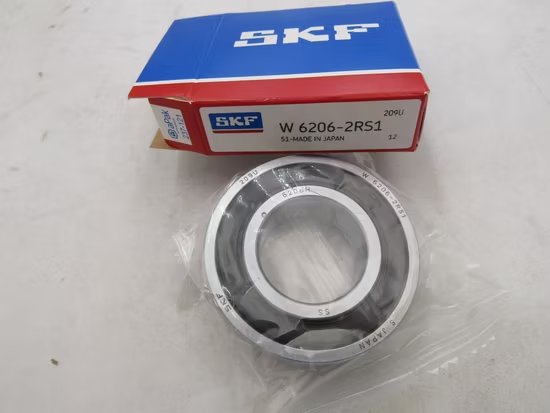
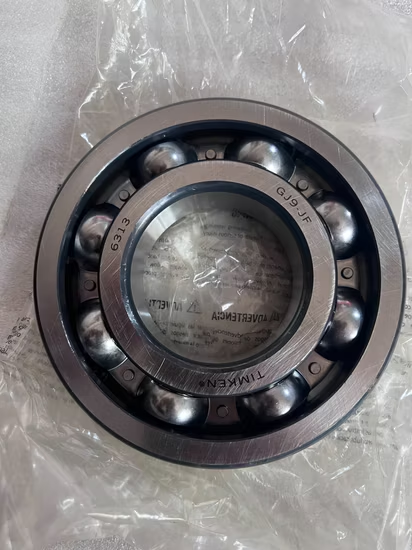
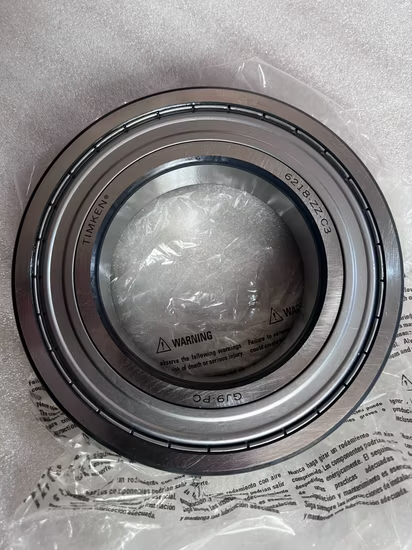

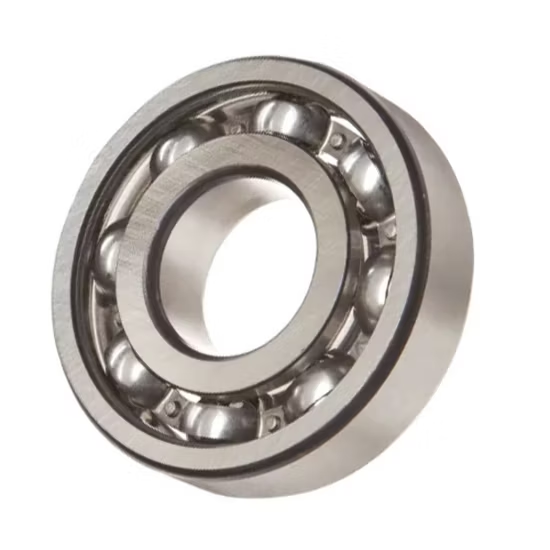
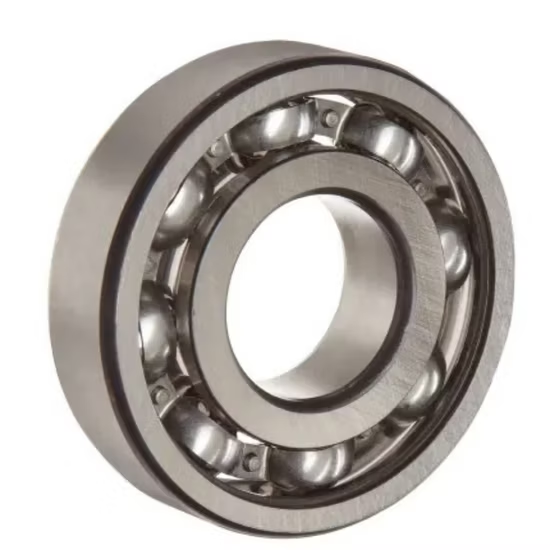
6300 6301 6302 6303 Deep Groove Ball Bearings — GCr-15 bearing steel construction with open, rubber seal, and iron shield options across Z1V1 to Z4V4 vibration classes for electric motor and automotive applications.
Cross-reference alignment — verifying base number, internal clearance, and seal type prevents thermal binding in mixed-fleet procurement.
| Parameter | Value |
|---|---|
| Designation | 6300 6301 6302 6303 |
| Bearing Type | Deep Groove Ball Bearing |
| Material | GCr-15 bearing steel |
| Seal or Shield Type | Open, Rubber Seals, Iron Seals |
| Vibration and Noise Class | Z1V1, Z2V2, Z3V3, Z4V4 |
| Precision Class | P0 to P2 options |
| Clearance Class | CN to C5 options |
| HS Code | 848210 |
| Industry | Typical Applications |
|---|---|
| Electric Motors | Rotor shaft support, cooling fan assemblies |
| Automotive Systems | Alternator pulleys, idler tensioners, transmission shafts |
| Industrial Gearboxes | High-speed input shafts, intermediate gear support |
| Pumps & Conveyors | Impeller shaft bearings, drive roller end caps |
Matching the base number without verifying the suffix is a direct path to premature seizure.
Procurement teams often approve orders based solely on the basic designation, assuming standard clearance and sealing will suffice. I once inspected a batch of failed units in a Ningbo workshop where the basic number matched perfectly, but the required C3 clearance was ignored. Under sustained thermal load, the internal expansion left no operational gap, leading to catastrophic thermal binding . When sourcing a 6300 6301 6302 6303 deep groove ball bearing, overlooking these critical suffixes transforms a standard replacement into a critical liability.
Electric motors demand strict vibration control and precise internal geometry. Selecting the correct Z-class vibration rating ensures acoustic compliance, while the appropriate seal type balances friction against contamination ingress. Our technical review process aligns these specific parameters with your exact motor specifications, ensuring the supplied units handle the electromagnetic and mechanical forces without generating excess heat.
Automotive alternators and pump impellers subject bearings to combined radial and axial loads while operating at elevated temperatures. Standard CN clearance often proves insufficient when shaft expansion outpaces housing growth, necessitating C3 or C4 options to maintain the operational gap. Furthermore, selecting between rubber seals for moisture exclusion and iron shields for high-speed, low-friction environments requires careful evaluation of the specific contamination profile .
The choice between open, rubber-sealed, and iron-shielded configurations dictates both maintenance intervals and speed limits. Rubber seals provide superior protection against moisture and fine particulates but introduce higher friction, limiting maximum RPM. Iron shields offer non-contact protection ideal for high-speed motor applications where external lubrication is managed. Additionally, specifying Z3V3 or Z4V4 vibration classes ensures the internal raceway geometry and ball sorting meet the stringent acoustic requirements of precision electric motors, minimizing resonance at operational speeds.
Installing a standard clearance unit in an application requiring thermal expansion compensation leads to rapid fatigue and raceway spalling. According to failure mode classifications, this specific mismatch causes excessive preload, generating fricti*r . The resulting unplanned downtime and secondary damage to adjacent gearbox or motor components far exceed the initial procurement savings of ignoring suffix requirements.
We enforce strict cross-reference alignment that checks internal clearance and cage material, not just the base number. For the 6300 series, we specifically verify that high-speed motor orders include the correct low-friction shield and C3 clearance combination. Our authorized distribution network guarantees batch traceability for every unit, eliminating the risk of counterfeit products with soft inner rings. Furthermore, we provide application-based selection reviews to confirm that your chosen seal type matches the actual environmental exposure.
To ensure exact application matching, please provide the specific radial and axial load profiles, operational speeds, and thermal conditions of your equipment. Sharing the original OEM equipment numbers allows our engineering team to perform a comprehensive cross-reference check, verifying that the internal clearance and sealing arrangements align perfectly with your operational demands.
Q: How do I verify the authenticity of these bearings using official apps?
A: Every genuine unit features a unique QR code linked to the manufacturer's secure database. By scanning this code directly through the brand's official mobile application, you can instantly verify the production batch, origin, and technical specifications. This process effectively eliminates the risk of accepting counterfeit products with cloned labels and substandard metallurgy.
Q: Why is internal clearance critical when cross-referencing these models?
A: Base designations only define the physical envelope dimensions. If an application requires C3 clearance to accommodate thermal shaft expansion, installing a standard CN unit will cause the internal gap to close during operation. This leads to excessive friction, rapid lubricant degradation, and eventual thermal seizure, regardless of how perfectly the outer dimensions fit the housing.
Q: What is the difference between rubber seals and iron shields for these applications?
A: Rubber seals provide a physical contact barrier that excels at blocking moisture and fine dust, making them ideal for harsh environments, though they generate slightly more friction. Iron shields maintain a small non-contact gap, offering basic particulate protection with minimal friction, which is preferred for high-speed electric motor applications where heat generation must be strictly minimized.
Q: How should I select the correct vibration class for electric motor applications?
A: Electric motors require tight control over acoustic noise and vibration. Standard Z1V1 classes may produce audible hums in precision appliances or HVAC systems. Specifying Z3V3 or Z4V4 ensures the bearing has undergone stricter geometric sorting and raceway finishing, significantly reducing operational resonance and meeting the stringent acoustic standards required by modern motor manufacturers.
Our 5-step process ensures every order is engineered, validated, and supported for optimal performance.
Technical needs assessment
Custom specifications
Free samples for $50k+
Pre-shipment inspection
On-site & predictive
Our certified engineers respond within 24 hours with detailed technical specifications, pricing, and lead time information.