01
Consultation
Technical needs assessment

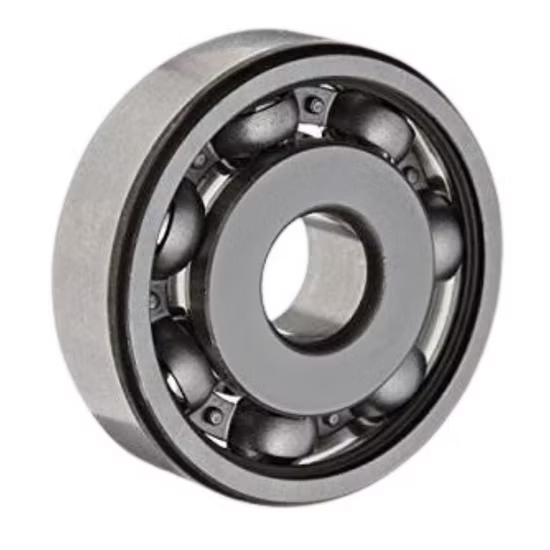
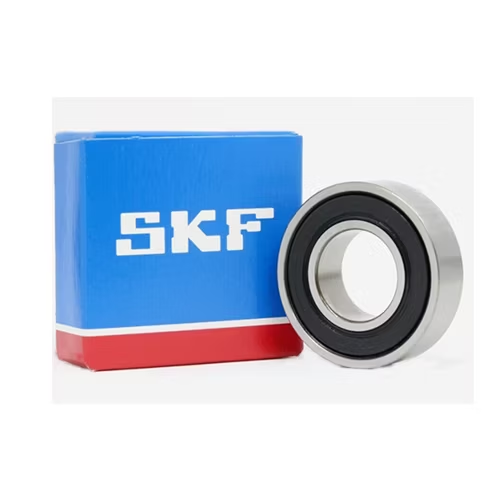
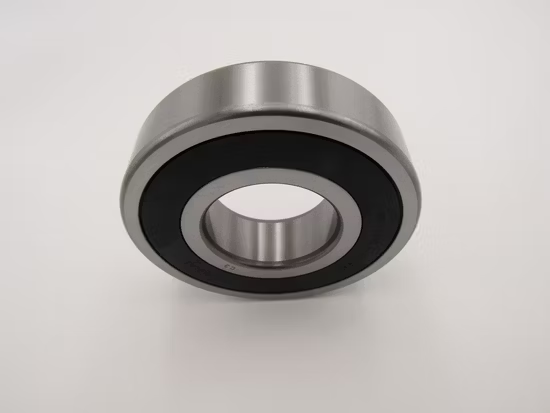
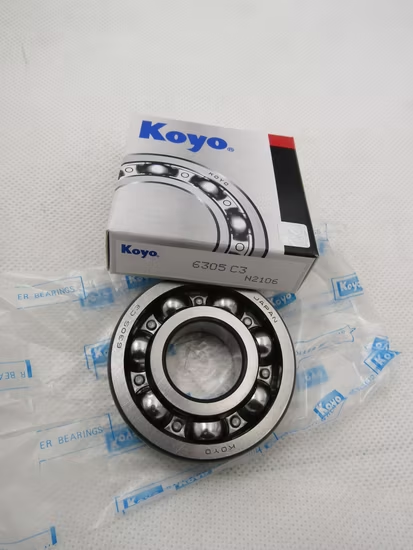


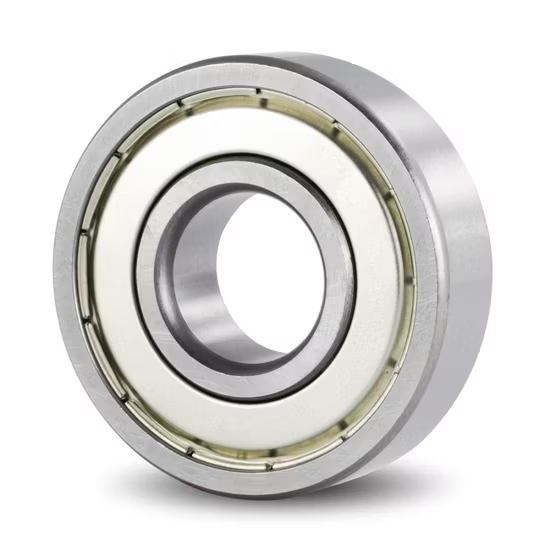
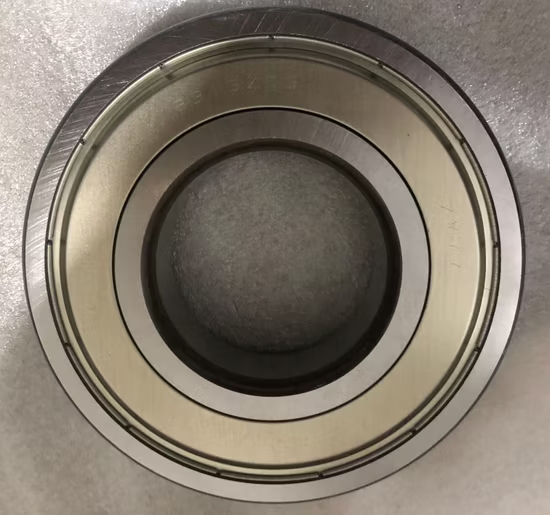
63/28 Deep Groove Ball Bearing P5/P6 — constructed from Gcr15 steel for motorcycle and electric motor applications.
Multi-Brand Authorized Coverage — Consolidate mixed SKF, FAG, and NSK requirements for your motorcycle assembly lines into a single traceable shipment without juggling multiple vendors.
| Parameter | Value |
|---|---|
| Designation | 63/28 |
| Bearing Type | Deep Groove Ball Bearing |
| Material | Gcr15 Bearing Steel |
| Precision Class | P5, P6 |
| Seal or Shield Type | 2RS, Zz*, Open |
| Origin | Shanghai |
*Zz is an unverified suffix designation; standard manufacturer catalogs typically specify 2Z or Z for double shielded variants.
| Industry | Typical Applications |
|---|---|
| Motorcycles | Steering head races, rear wheel hubs, transmission main shafts |
| Electric Motors | High-speed rotor shaft supports, cooling fan assemblies |
| Industrial Gearboxes | Intermediate shaft supports, high-speed input stages |
| Manufacturing Plant | Conveyor pulley bearings, automated guided vehicle drive wheels |
Matching the base number is never enough when internal clearances and seal friction dictate survival.
In the Pearl River Delta manufacturing hub, I have seen countless motorcycle assembly lines grind to a halt because procurement teams sourced bearings that matched the base designation but ignored critical suffixes. A standard clearance unit installed in a high-temperature transmission housing will thermally bind and seize within kilometers. When cross-reference errors overlook cage material or precision grades, the resulting field failures destroy brand reputation and trigger massive warranty claims .
Selecting the right 63/28 deep groove ball bearing requires looking past the basic dimensions to evaluate how the unit handles real-world motorcycle stresses. We review your specific application parameters to ensure the selected seal configuration and precision grade align perfectly with the operating environment. This technical selection process prevents the all-too-common scenario where a visually identical part fails prematurely due to internal design mismatches.
Motorcycle wheel hubs and transmission shafts endure rapid temperature fluctuations and severe road debris exposure. High rotational speeds generate internal friction heat, demanding adequate internal clearance to accommodate thermal expansion without preloading the rolling elements. Meanwhile, water and grit infiltration quickly degrade lubricants, making the choice between contact seals and non-contact shields a critical factor in balancing friction against contamination defense .
The P5 and P6 precision classes offer noticeably tighter dimensional and running accuracy compared to standard P0 grades, which is essential for minimizing vibration and noise in high-speed electric motors and motorcycle engines. The 2RS contact seals provide robust protection against moisture and dust, though they introduce slightly higher friction. Conversely, open variants allow for custom lubrication strategies and higher speed limits, provided the housing offers adequate sealing. Gcr15 high-carbon chromium bearing steel ensures optimal wear resistance and fatigue life under heavy dynamic loads.
Substituting a bearing based solely on outer dimensions often leads to catastrophic damage when the internal geometry cannot handle the specific load profile. Premature failure results in unplanned downtime, scrapped batches, and voided equipment warranties. According to failure analysis frameworks, a significant share of these early breakdowns stems from improper application matching rather than manufacturing defects .
We maintain authorized distribution channels across major international brands, ensuring every 63/28 deep groove ball bearing features verifiable batch traceability. Our cross-reference reviews strictly align seal types, precision classes, and internal designs, preventing the dangerous assumption that identical base numbers guarantee identical performance. By providing comprehensive application-based selection support, we eliminate the guesswork that typically leads to thermal binding or cage failure in demanding motorcycle and industrial applications.
To ensure optimal performance, please provide your specific radial and axial load profiles, operating speeds, and expected temperature ranges. Sharing the exact OEM equipment numbers allows our engineering team to perform a thorough cross-reference verification and L10 life calculation. This data enables us to recommend the precise seal and clearance combination required for your motorcycle or industrial machinery.
Q: How can I verify the authenticity of these motorcycle bearings upon delivery?
A: Every unit includes batch traceability documentation and a QR code that can be scanned using the manufacturer's official mobile application. This direct verification confirms the Gcr15 material origin and ensures the product is a genuine, authorized distribution item, protecting your assembly line from counterfeit parts with substandard inner ring hardness.
Q: What precautions are necessary when cross-referencing this designation?
A: Simply matching the base number is insufficient; you must verify that the seal type, precision class, and internal clearance align with your specific application. Overlooking these suffixes often results in thermal binding or rapid contamination ingress, which is why our technical team reviews the complete designation string before confirming any cross-brand interchange.
Q: How do I choose between 2RS contact seals and open types for my machinery?
A: The 2RS configuration provides excellent defense against moisture and particulate contamination, making it ideal for exposed motorcycle wheel hubs. Open variants generate less friction and support higher rotational speeds, but they require a well-sealed housing and a controlled external lubrication system to prevent premature wear.
Q: What is the practical difference between P5 and P6 precision classes?
A: Both grades offer tighter dimensional and running accuracy than standard P0 bearings, which reduces vibration and heat generation. P5 provides an even stricter tolerance band than P6, making it the preferred choice for high-speed electric motor rotors and precision machine tool spindles where minimal radial runout is critical for operational stability.
Q: How do I select the correct internal clearance for high-temperature operations?
A: Standard clearance may lead to thermal binding when the inner ring expands faster than the outer ring in high-heat environments. By providing your exact operating temperature range and shaft material, our engineering team can calculate the required thermal expansion compensation and recommend a C3 or C4 clearance class to maintain optimal rolling conditions.
Our 5-step process ensures every order is engineered, validated, and supported for optimal performance.
Technical needs assessment
Custom specifications
Free samples for $50k+
Pre-shipment inspection
On-site & predictive
Our certified engineers respond within 24 hours with detailed technical specifications, pricing, and lead time information.