01
Consultation
Technical needs assessment

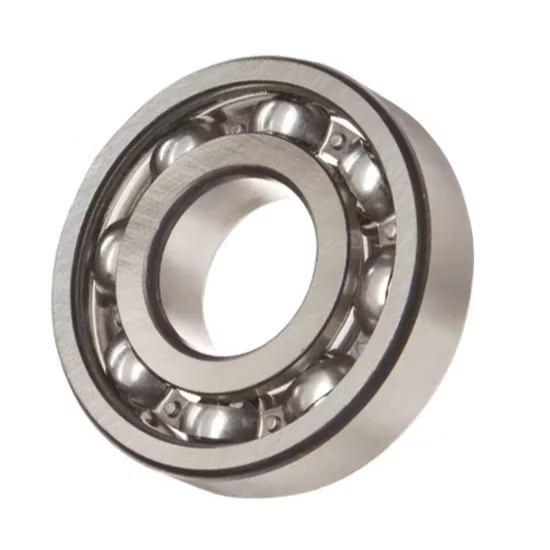
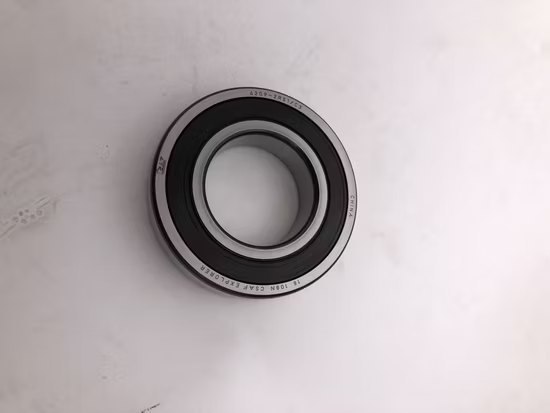
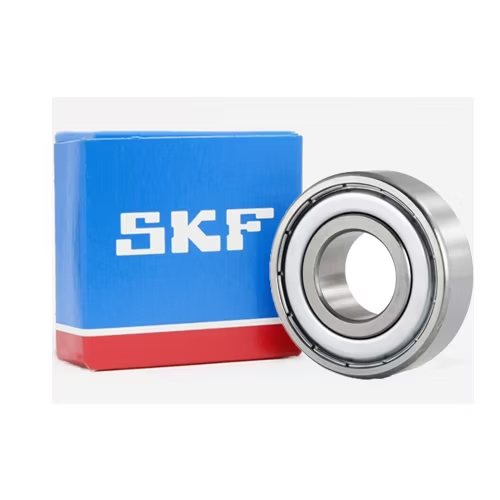
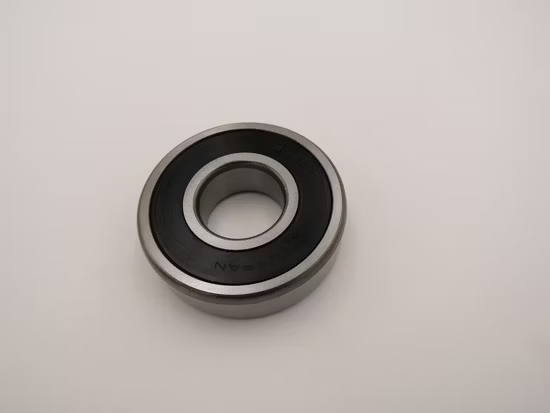
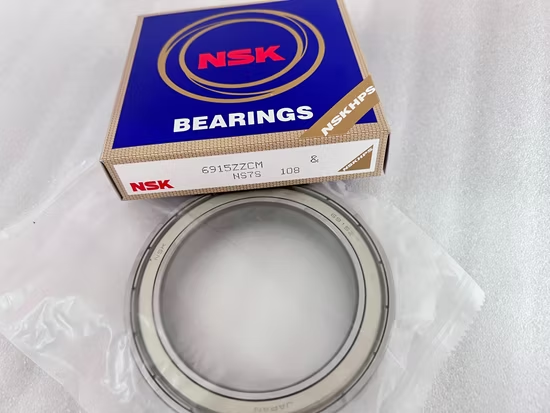
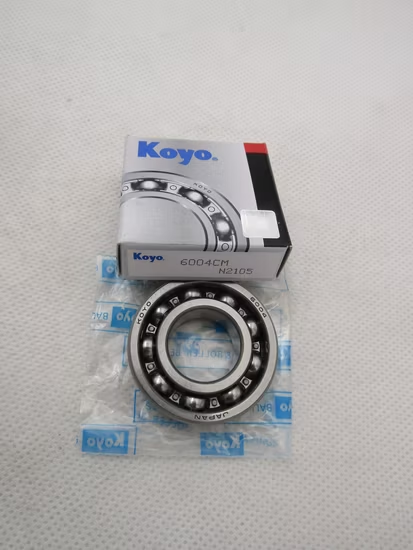
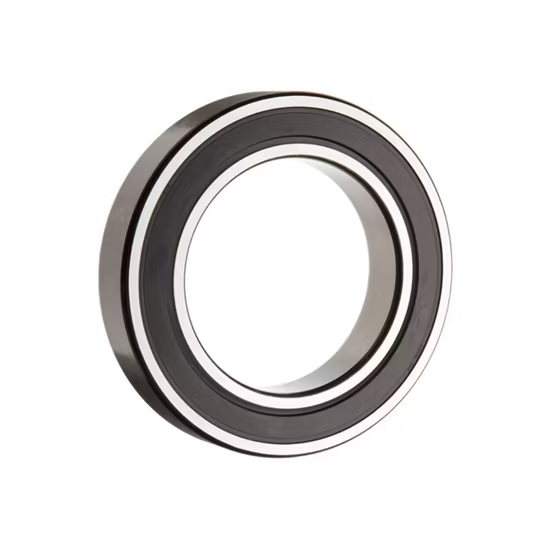
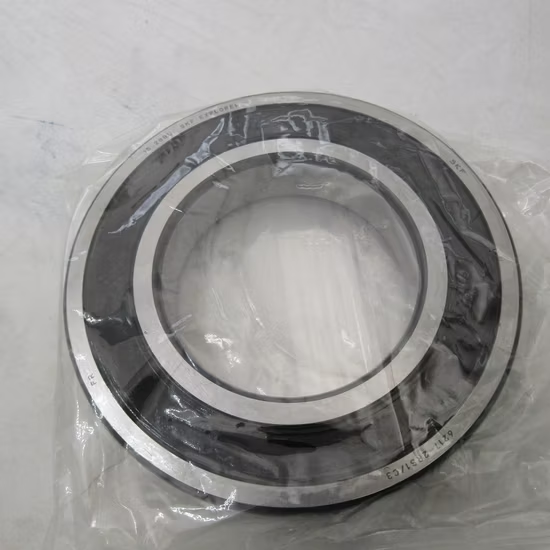
623 624 625 626 627 628 629 Deep Groove Ball Bearings — offered in open, rubber seal, and iron shield configurations to match exact friction and contamination requirements.
Factory Batch Traceability — Every 623 through 629 unit ships with verifiable lot documentation linking back to the original production run.
| Parameter | Value |
|---|---|
| Designation | 623 624 625 626 627 628 629 |
| Bearing Type | Deep Groove Ball Bearing |
| Seal or Shield Type | Open, Rubber Seals, Iron Seals |
| Noise and Vibration Level | Z1V1, Z2V2, Z3V3, Z4V4 |
| Origin | Germany, Japan, Sweden, Malaysia, China |
| Industry | Typical Applications |
|---|---|
| Electric Motors | Micro-motor rotors, cooling fan shafts, precision spindle drives |
| Household Appliances | Washing machine drain pumps, vacuum cleaner impellers |
| Small Precision Instruments | Optical device pivots, medical equipment micro-drives |
| Gearboxes | Instrumentation gearing, low-torque transmission shafts |
Matching the base number is never enough when internal clearance and vibration grades dictate thermal survival.
Early in my career transitioning from quality inspection to trade in Dubai, I watched a batch of standard clearance micro-bearings seize inside high-temperature electric motors. The purchasing team verified the outer dimensions but ignored the thermal expansion requirements. When standard internal clearance meets elevated operating heat, the rolling elements bind against the raceways, causing catastrophic friction and immediate motor burnout. This exact failure mode remains a significant share of premature failures in miniature drive systems .
Specifying the correct 623 624 625 626 627 628 629 deep groove ball bearing requires looking past the basic designation. Our technical review process evaluates your specific application to align the Z/V vibration grading with your equipment's sensitivity. A standard Z1V1 grade might suffice for a basic conveyor roller, but precision optical instruments or quiet household appliances demand the strict geometrical tolerances of Z3V3 or Z4V4 to prevent resonant noise and accelerated raceway wear.
Miniature shafts operate in tightly constrained environments where every micron of friction generates disproportionate heat. Selecting between open, rubber-sealed, or iron-shielded configurations directly impacts the thermal equilibrium of the assembly. Rubber seals provide excellent contamination exclusion for dusty appliance motors but introduce contact friction, whereas iron shields offer non-contact protection suitable for higher-speed instrument gearing. Proper lubrication selection must also align with the seal type to prevent grease degradation at elevated temperatures .
The available sealing options dictate the maintenance lifecycle of the component. Open variants require external, precisely metered lubrication from the host system, making them ideal for sealed gearboxes with shared oil baths. Rubber and iron sealed variants are pre-lubricated for life, eliminating maintenance but demanding careful thermal management. Furthermore, the Z1V1 through Z4V4 noise and vibration classifications reflect the internal surface finish and geometrical accuracy of the rings and rolling elements. Higher grades ensure smoother operation, directly extending the fatigue life of the bearing in high-speed micro-motors.
Substituting a generic equivalent without verifying the exact vibration grade or seal friction profile leads to unplanned downtime. According to failure mode classification frameworks, improper selection for the specific operating environment rapidly accelerates surface distress and cage wear . In precision instruments, this manifests as audible whining or positioning drift; in continuous-duty motors, it results in sudden thermal seizure that destroys the surrounding stator windings and voids equipment warranties.
We eliminate the guesswork in miniature bearing procurement by enforcing strict cross-reference alignment. When you request a specific 625 or 628 variant, we verify that the replacement matches not just the bore and outer diameter, but the exact Z/V grade and seal friction characteristics required by your OEM. Our multi-origin sourcing network ensures supply chain flexibility, allowing us to fulfill mixed-brand requirements from a single shipment while maintaining full batch traceability for every single unit dispatched.
To ensure optimal performance and longevity, please provide your detailed operating parameters. Sharing specific radial and axial loads, operating speeds, ambient temperatures, and mounting space constraints allows our engineering team to conduct a thorough L10 life calculation and recommend the precise internal clearance class. If you are replacing an existing component, supplying the exact OEM equipment number enables us to perform a comprehensive cross-reference check to guarantee full specification alignment.
Q: How do Z1V1 to Z4V4 vibration grades impact micro-motor performance?
A: These grades classify the geometric precision and surface finish of the internal components. Higher grades like Z3V3 or Z4V4 significantly reduce operational noise and vibration, which is critical for preventing resonant fatigue in sensitive precision instruments and ensuring quiet operation in household appliances. Using a lower grade in a high-speed application accelerates raceway wear.
Q: What is the exact cross-reference equivalent for my OEM sealed bearing?
A: A true equivalent must match the base dimensions, internal clearance, and exact seal type. We cross-reference your OEM part number against authorized brand catalogs to ensure the replacement provides identical friction characteristics and contamination protection, preventing the thermal issues that arise from mismatched seal designs.
Q: Rubber seals vs. iron shields: Which is better for my gearbox application?
A: Rubber seals offer superior exclusion of fine dust and moisture but generate slightly higher friction due to lip contact. Iron shields provide non-contact protection, allowing for higher limiting speeds and lower friction, making them ideal for clean, high-speed instrument gearing where minimal torque is essential.
Q: How to verify bearing authenticity using official brand QR codes?
A: Every genuine unit we supply features traceable markings. You can scan the QR code or enter the batch number directly into the manufacturer's official mobile application to verify the production date, facility, and original specifications, completely eliminating the risk of installing counterfeit components with soft inner rings.
Q: What clearance class is required for high-speed micro-motors?
A: High-speed motors generate significant internal heat, causing the inner ring to expand faster than the housing. Specifying a C3 clearance class provides the necessary thermal expansion allowance, preventing the rolling elements from binding against the raceways and avoiding the catastrophic thermal seizure common with standard CN clearance in these applications.
Our 5-step process ensures every order is engineered, validated, and supported for optimal performance.
Technical needs assessment
Custom specifications
Free samples for $50k+
Pre-shipment inspection
On-site & predictive
Our certified engineers respond within 24 hours with detailed technical specifications, pricing, and lead time information.