01
Consultation
Technical needs assessment


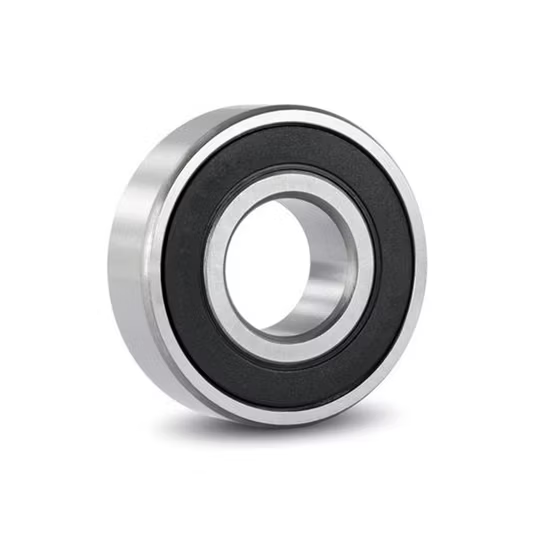
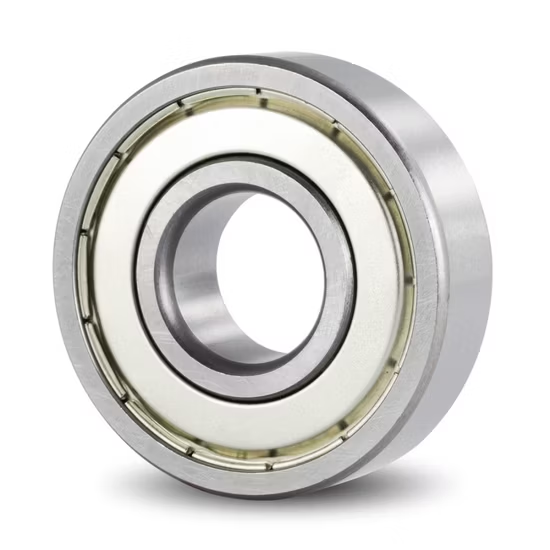
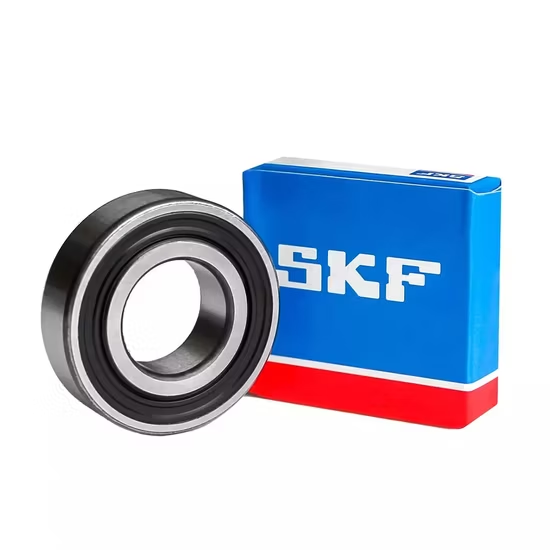


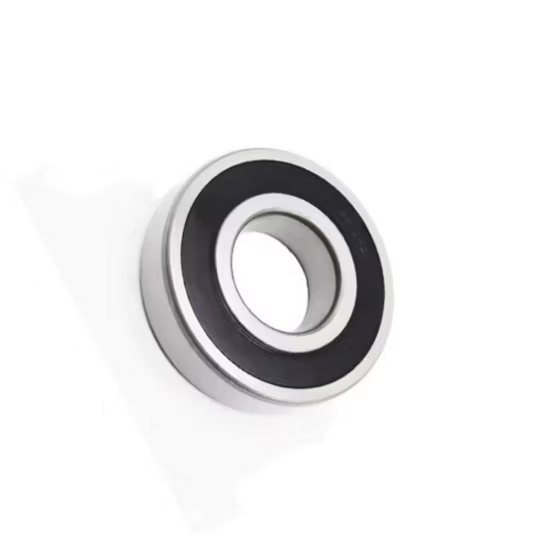
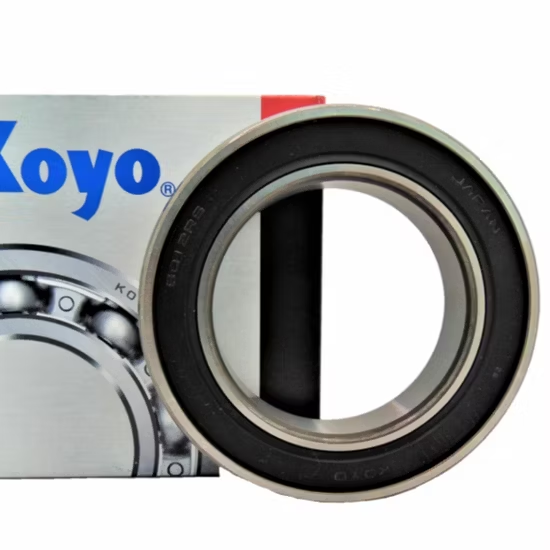
6202 Deep Groove Ball Bearing — standard base configuration ensures broad compatibility across electric motors and industrial gearboxes.
Multi-Brand Authorized Sourcing — Procure genuine 6202 deep groove ball bearings from SKF, FAG, NSK, or NTN in a single consolidated shipment without juggling multiple vendors.
| Parameter | Value |
|---|---|
| Designation | 6202 |
| Bearing Type | Deep Groove Ball Bearing |
| Seal or Shield Type | Open, Rubber Seals, Iron Seals |
| Noise and Vibration Level | Z1V1, Z2V2, Z3V3, Z4V4 |
| Origin | Germany, Japan, Sweden, Malaysia, China |
| HS Code | 848210 |
| Industry | Typical Applications |
|---|---|
| Electric Motors | Rotor shaft support, cooling fan assemblies |
| Industrial Gearboxes | High-speed input shafts, intermediate gear stages |
| General MRO | Conveyor drive rollers, agricultural pump impeller shafts |
Matching the base designation without verifying internal clearance and sealing configurations leads to premature thermal binding.
Procurement teams often focus exclusively on the base number, overlooking critical suffixes that dictate field performance. In high-speed electric motor applications, installing a standard clearance variant where thermal expansion demands extra internal play results in rapid cage failure. I have witnessed entire batches of motors rejected because the installed units lacked the necessary clearance to accommodate operating temperatures, turning a minor sourcing oversight into a massive financial loss .
When sourcing a 6202 deep groove ball bearing for electric motors or gearboxes, the operational environment dictates the exact internal geometry and sealing requirements. Our technical team reviews your specific load profiles and speed parameters to ensure the selected variant matches the application. By cross-referencing not just the base number but also the required noise grades and sealing types, we prevent the mismatched installations that cause early field failures.
High-speed motor shafts generate significant friction heat, making the correct internal clearance essential to prevent the rolling elements from binding as the inner ring expands. Simultaneously, the choice between contact rubber seals and non-contact iron shields balances contamination exclusion against friction-induced temperature rise. In dusty conveyor environments, inadequate sealing allows particulate ingress that degrades the lubricant, while overly tight seals in clean gearboxes generate unnecessary drag .
The baseline 6202 designation establishes the fundamental deep groove geometry, optimized for handling combined radial and light axial loads at high rotational speeds. Because no specific suffix is present in the base identifier, buyers must explicitly define the required seal or shield type to match their environmental exposure. The available noise and vibration grading, ranging from Z1V1 up to Z4V4, allows precise tuning for quiet electric motor applications where acoustic performance is strictly regulated. Selecting the appropriate sealing configuration ensures the factory-applied lubricant remains intact without introducing excessive rotational friction.
Failing to specify the correct noise grade or sealing type during cross-referencing triggers a cascade of operational penalties. A unit with insufficient sealing in an agricultural pump will suffer rapid lubricant contamination, leading to unplanned downtime and catastrophic raceway spalling. Conversely, specifying heavy contact seals in a high-speed gearbox generates excess heat, accelerating grease degradation and voiding equipment warranties. These mismatches consistently rank among the primary causes of premature mechanical failure in industrial drive systems .
Sourcing from an authorized network guarantees that every unit features verifiable batch traceability directly back to the manufacturer's production facilities. Counterfeit bearings with soft inner rings and cloned packaging are a persistent threat; we eliminate this risk by providing official app QR verification for every shipment. Our cross-reference protocol strictly aligns the base designation, clearance class, and seal type simultaneously, preventing the subtle specification errors that generic suppliers miss. This rigorous technical vetting ensures your equipment receives the exact engineering tolerances required for reliable operation.
To ensure optimal performance, share your specific radial and axial load data, operating speeds, and ambient temperature ranges with our engineering team. This technical review allows us to calculate the required internal clearance and recommend the most appropriate sealing configuration for your exact machinery. Providing the original OEM equipment numbers further enables our specialists to execute a comprehensive cross-reference check, guaranteeing complete dimensional and functional compatibility.
Q: How do I verify the authenticity of the bearings upon delivery?
A: Every shipment includes batch traceability documents and unique QR codes scannable via the manufacturer's official mobile application. This digital verification confirms the metallurgical origin and production date, effectively filtering out counterfeits with soft inner rings that plague the secondary market and cause premature spalling in high-speed applications.
Q: Why is matching the seal type critical during cross-referencing?
A: Base numbers often match while internal sealing differs drastically. Installing an open variant in a dusty environment leads to rapid contamination, whereas using heavy contact rubber seals in high-speed motors generates excess friction heat. We align the exact sealing configuration to your operational environment to prevent these thermal and contamination failures.
Q: How do I select the correct Z/V noise and vibration level?
A: The Z1V1 through Z4V4 grading dictates the acoustic and vibrational output of the rotating assembly. Standard industrial gearboxes typically require basic grades, while precision electric motors and household appliances demand Z3V3 or Z4V4 to meet strict noise regulations. Our technical team reviews your acoustic requirements to specify the exact grading needed.
Q: What documentation is provided for international customs and quality assurance?
A: We supply a comprehensive documentation package including the Certificate of Conformity, country-of-origin certificates, and detailed dimensional inspection reports. These documents verify the HS Code 848210 classification for smooth customs clearance while providing your quality assurance team with the exact running accuracy and noise grade test results for the specific batch.
Our 5-step process ensures every order is engineered, validated, and supported for optimal performance.
Technical needs assessment
Custom specifications
Free samples for $50k+
Pre-shipment inspection
On-site & predictive
Our certified engineers respond within 24 hours with detailed technical specifications, pricing, and lead time information.