01
Consultation
Technical needs assessment

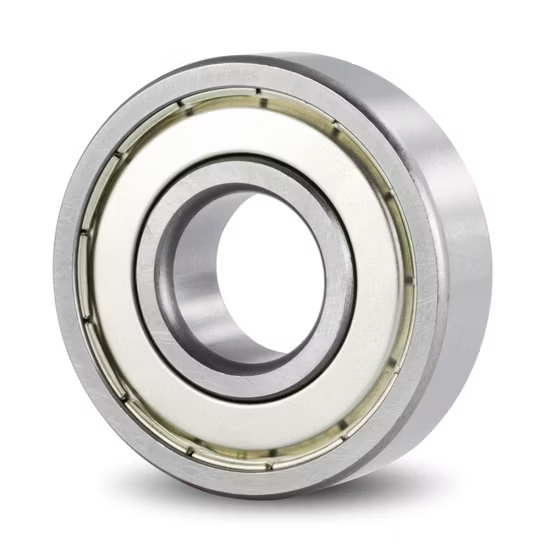
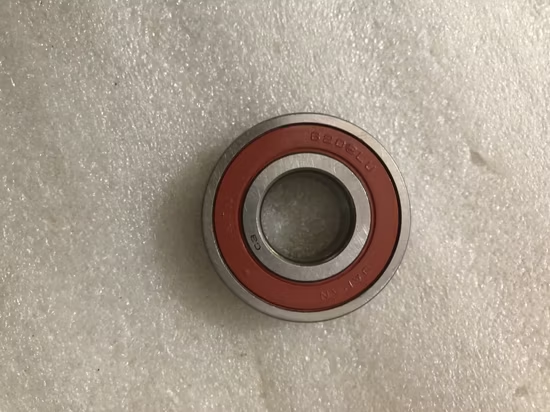
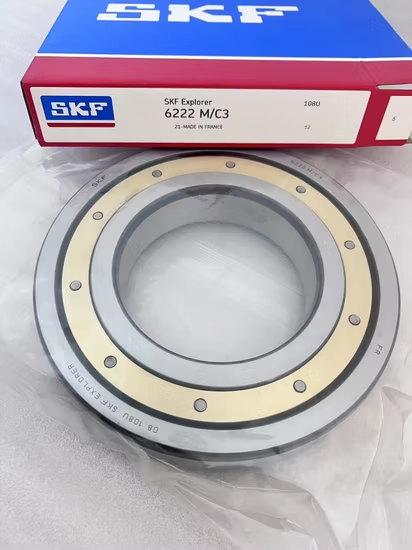
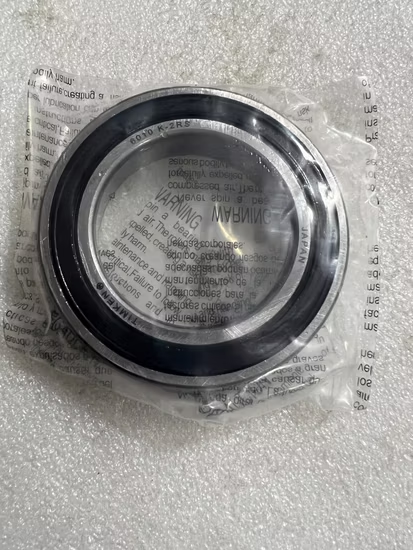
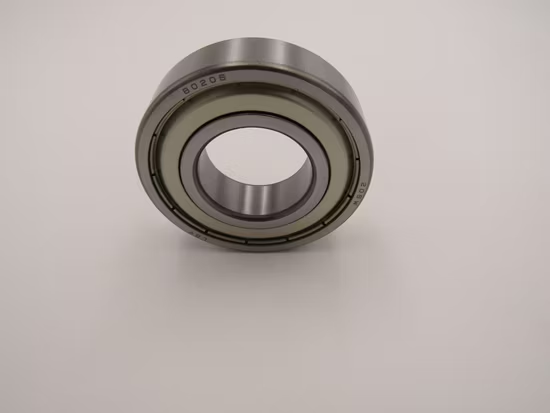
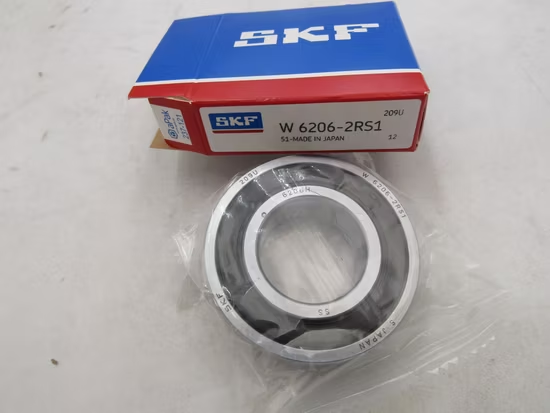
6003 Zz 2RS Deep Groove Ball Bearing features double contact rubber seals for maintenance-free operation and effective contamination protection in electric motors and industrial gearboxes. These chrome steel components deliver reliable performance under continuous rotation.
Three-Point Cross-Reference Alignment — We verify base designation, internal clearance, and precision suffixes to prevent thermal binding in high-speed motor applications.
| Parameter | Value |
|---|---|
| Designation | 6003 Zz 2RS |
| Bearing Type | Deep Groove Ball Bearing |
| Material | Chrome Steel |
| Precision Class | P4, P5, P6 |
| Seal or Shield Type | Open, Rubber Seals, Iron Seals |
| Noise and Vibration Level | Z1V1, Z2V2, Z3V3, Z4V4 |
| Origin | Germany, Japan, Sweden, Malaysia, China |
| HS Code | 848210 |
Note: Zz is an unverified suffix requiring manufacturer catalog confirmation, likely indicating a variant of double steel shields.
| Industry | Typical Applications |
|---|---|
| Electric Motors | High-speed rotor shafts requiring low noise and vibration |
| Industrial Gearboxes | Intermediate shafts supporting moderate radial loads |
| General MRO | Replacement units for household appliance spindles and conveyors |
Exact suffix alignment prevents catastrophic thermal seizure.
Many procurement engineers focus solely on the base designation, overlooking critical internal clearances and precision grades. I have seen spindle assemblies fail prematurely because a standard CN clearance was installed where C3 was required for thermal expansion, leading to severe overheating and visible smoke during teardown . Matching the exact seal type and precision class ensures the component survives actual operating conditions without unexpected downtime.
Selecting the right 6003 Zz 2RS deep groove ball bearing requires matching the specific seal configuration to the motor's environmental exposure. Our technical review process ensures that the selected shield or seal variant aligns perfectly with the required friction limits and contamination barriers. We cross-reference the exact precision class and noise level to guarantee smooth operation in sensitive electric motor applications.
Electric motor shafts generate significant heat, making internal clearance selection critical to accommodate thermal expansion during continuous operation. In dusty or humid environments, the choice between contact rubber seals and non-contact iron shields directly impacts both moisture ingress and rotational friction. Proper lubrication retention is equally vital, as washed-out grease leads to rapid cage wear . Selecting the appropriate Z1V1 to Z4V4 noise grade ensures the unit meets strict acoustic requirements for household or precision industrial equipment.
The distinction between open, rubber-sealed, and iron-shielded variants dictates the maintenance cycle and friction profile of the assembly. Rubber seals provide superior protection against fine dust and moisture but introduce higher rotational friction, making them ideal for moderate-speed applications. Iron shields offer a non-contact barrier that minimizes friction heat, suiting high-speed rotor shafts where external lubrication is manageable. Upgrading from standard P0 to P4 or P5 precision significantly reduces vibration amplitudes, which is essential for extending the fatigue life of high-speed electric motors.
Installing a component with mismatched internal clearance or incorrect precision grading inevitably leads to unplanned downtime and premature failure. A bearing operating with insufficient clearance under thermal load will experience excessive preload, accelerating raceway fatigue and eventual seizure . Conversely, using a standard precision grade in a high-speed spindle generates unacceptable vibration, causing catastrophic damage to adjacent seals and housings. These specification errors routinely result in warranty voidance and costly production interruptions.
We eliminate the risk of counterfeit parts by providing authorized coverage across all major international brands, ensuring every mixed-brand order is fully traceable. Our cross-referencing process strictly aligns clearance, cage material, and precision suffixes, preventing the common error of matching only the base number. Buyers receive batch traceability down to the original manufacturer, verified through official brand app QR codes for immediate authenticity confirmation. We also supply comprehensive dimensional and running accuracy inspection reports to validate P4, P5, or P6 tolerances before dispatch.
To ensure accurate selection, please provide your specific radial and axial loads, operating speeds, and temperature ranges for L10 life calculation. Sharing the exact OEM equipment number allows our engineering team to perform a precise cross-reference verification. Detailing the environmental exposure helps us confirm whether an open, rubber-sealed, or iron-shielded configuration is most appropriate. This technical data enables us to recommend the optimal clearance and precision class for your application.
Q: How do we verify the authenticity of the received bearings?
A: Every unit includes batch traceability documentation linking it to the original manufacturer. You can scan the official brand app QR codes on the packaging for immediate authenticity confirmation. We also provide material test reports and dimensional inspection reports to validate the physical specifications and precision grades before installation.
Q: Why must cross-referencing include clearance and precision suffixes?
A: Matching only the base number often leads to installing a standard CN clearance where C3 is required for thermal expansion, causing the bearing to seize under heat. Verifying the exact precision class and internal design ensures the component handles the specific speed and load demands of your equipment without premature failure.
Q: What distinguishes the Z1V1 through Z4V4 noise and vibration levels?
A: These grades indicate the strictness of the acoustic and vibration testing the bearing has passed. Z1V1 represents standard commercial quality, while Z4V4 denotes ultra-quiet, low-vibration performance achieved through superior raceway finishing. Higher grades are essential for high-speed electric motors and precision appliances where acoustic emissions must be strictly minimized.
Q: How do we choose between rubber sealed and iron shielded variants?
A: Rubber seals provide excellent protection against moisture and fine dust but generate higher rotational friction due to contact with the inner ring. Iron shields offer a non-contact barrier that minimizes friction heat, making them ideal for high-speed applications where external contamination is low. The choice depends on balancing environmental protection with speed requirements.
Q: What is the practical difference between P4, P5, and P6 precision classes?
A: These classes define the dimensional and running accuracy tolerances of the bearing. P6 is suitable for general industrial applications, while P5 and P4 offer progressively tighter tolerances for high-speed spindles and precision gearboxes. Selecting a higher precision class reduces vibration, minimizes heat generation, and extends the operational life of high-speed rotating equipment.
Our 5-step process ensures every order is engineered, validated, and supported for optimal performance.
Technical needs assessment
Custom specifications
Free samples for $50k+
Pre-shipment inspection
On-site & predictive
Our certified engineers respond within 24 hours with detailed technical specifications, pricing, and lead time information.