01
Consultation
Technical needs assessment


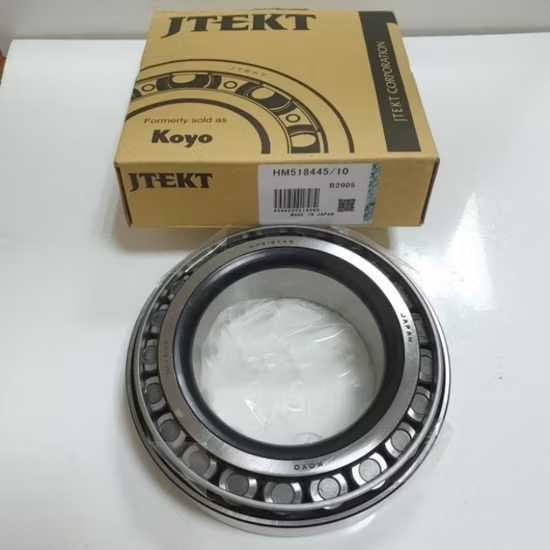
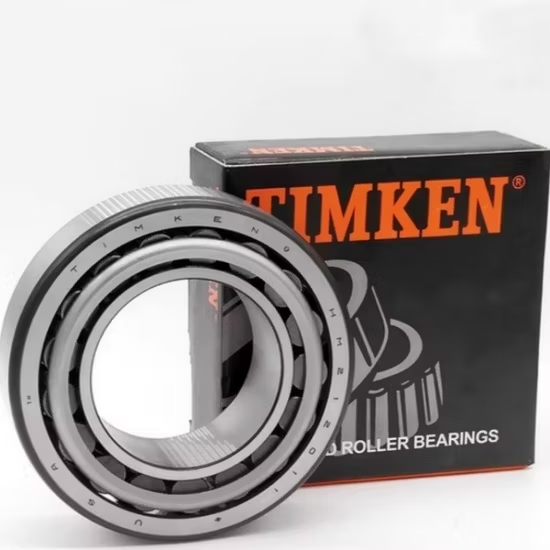


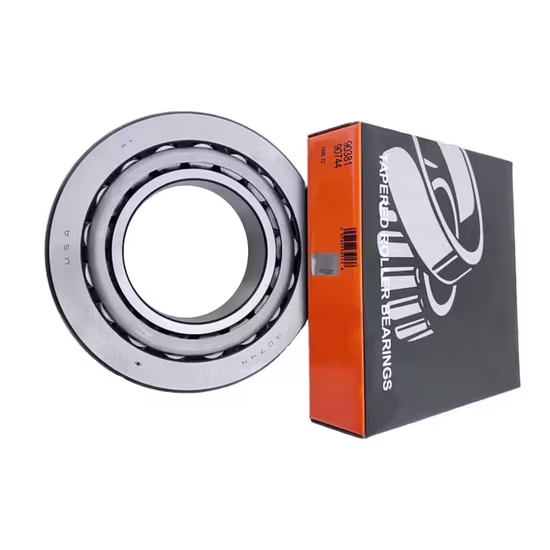
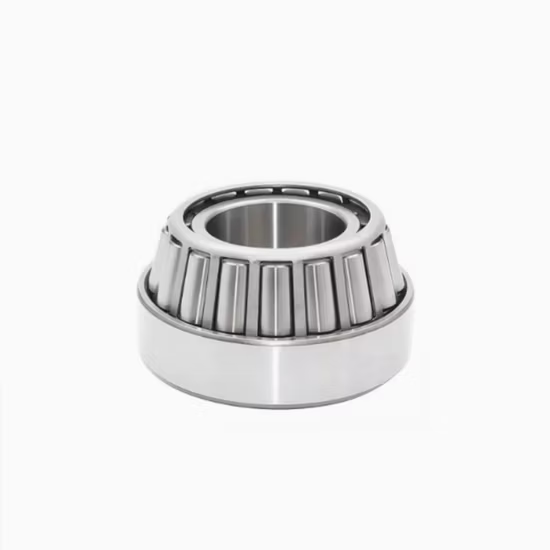
502619 637177 326332B Single Row Tapered Roller Bearing P4 — engineered with GCr15 bearing steel to handle combined radial and axial loads in heavy machinery.
Traceable batch origins — Every 502619 637177 326332B tapered roller bearing ships with manufacturer lot documentation to guarantee supply chain visibility.
| Parameter | Value |
|---|---|
| Designation | 502619 637177 326332B |
| Bearing Type | Single Row Taper Roller Bearing |
| Precision Class | P4 |
| Cage Material | Nylon, brass, or iron options |
| Material | GCr15 bearing steel |
| Origin | Germany, Japan, Sweden, Malaysia, or China |
The 'B' suffix in 326332B remains unverified and requires specific manufacturer catalog confirmation prior to final assembly.
| Industry | Typical Applications |
|---|---|
| Automotive & Heavy Transport | Commercial truck axles, heavy-duty wheel hubs |
| Industrial Power Transmission | Heavy machinery gearboxes, marine propulsion drives |
Matching the base number while ignoring internal design variations causes catastrophic field failures in heavy transport applications.
During my years sourcing components for automotive配套 in the Shandong manufacturing belt, I witnessed numerous assembly lines grind to a halt because procurement teams only verified the basic 3xxxx designation. A batch of single row taper roller bearings failed prematurely under high vibration simply because the cage material was mismatched for the specific axle load profile. When cross-referencing the 502619 637177 326332B tapered roller bearing, overlooking suffix variations or internal geometry differences leads to thermal binding or sudden cage fracture .
Selecting the correct cage material is critical when deploying the 502619 637177 326332B tapered roller bearing in commercial truck axles. Nylon cages offer excellent friction reduction and perform well in standard lubricated environments, while brass or iron variants provide superior structural integrity under extreme shock loads and high vibration. Our technical review process ensures the selected cage option aligns perfectly with your specific axle dynamics and operational stress levels.
Industrial gearboxes generate substantial heat, demanding careful consideration of internal clearance and lubrication strategies. As operating temperatures rise, thermal expansion alters the internal geometry, making correct clearance selection vital to prevent rolling element skidding or excessive preload. Proper oil flow or grease distribution must be maintained to dissipate heat and flush out wear debris, ensuring the P4 precision surfaces remain protected throughout the equipment lifecycle .
The P4 precision class dictates exceptionally tight tolerances for bore, outside diameter, and running accuracy, which minimizes vibration in high-speed marine drives. GCr15 bearing steel provides the necessary core hardness and contact fatigue resistance to withstand the combined radial and axial loads typical in wheel hubs. Selecting between nylon, brass, or iron cages allows engineers to optimize the bearing for specific speed limits and shock load resistance without compromising the fundamental load-carrying capacity of the single row design.
Substituting a bearing based solely on outer dimensions while ignoring internal geometry leads to unplanned downtime and severe secondary damage. When a mismatched component is forced into a truck axle housing, the resulting misalignment accelerates wear on adjacent seals and gears. According to ISO 15243 frameworks, such installation errors frequently manifest as smearing or edge loading, ultimately voiding equipment warranties and triggering costly line stoppages .
We eliminate the risk of soft inner rings by strictly sourcing from authorized channels that provide verifiable batch traceability. Cross-referencing the 502619 637177 326332B tapered roller bearing requires aligning clearance, cage material, and precision suffixes, not just the base designation. Our application-based selection review analyzes your specific load, speed, and temperature parameters to confirm the exact variant. Furthermore, we supply comprehensive documentation, ensuring every component meets the rigorous demands of heavy vehicle repair and industrial gearboxes.
To ensure accurate selection and cross-reference verification, please provide detailed operating parameters including radial and axial loads, rotational speeds, and expected temperature ranges. Sharing the specific OEM equipment numbers or existing housing dimensions allows our engineering team to validate the internal geometry and clearance requirements. This technical data enables us to confirm the optimal cage material and precision class for your application, ensuring reliable performance and extended service intervals.
Q: Why do identical base numbers fail in heavy axles?
A: Base numbers often ignore critical internal variations like cage material or contact angles. A mismatched cage may fracture under high vibration, while incorrect internal geometry causes thermal binding. Verifying the complete designation, including all suffixes, ensures the component can withstand the specific shock loads and thermal expansion present in heavy-duty truck axles.
Q: How do I choose between nylon and brass cages?
A: Nylon cages reduce friction and operate quietly in well-lubricated, moderate-temperature environments. Brass or iron cages offer superior structural strength, resisting fracture under extreme shock loads and high vibration typical in mining or heavy transport. The choice depends on your specific speed, temperature, and load profile.
Q: How can I verify the authenticity of the P4 bearings?
A: Authenticity is confirmed through official brand applications using the QR codes provided on the packaging. Additionally, we supply comprehensive batch traceability documents, material test reports, and dimensional inspection reports that validate the P4 precision grade and GCr15 steel composition before shipment.
Q: What is required for proper axial clearance adjustment?
A: Proper adjustment requires precise measurement of the housing and shaft dimensions, followed by controlled tightening of the locknut or end cover. This establishes the correct internal clearance to accommodate thermal expansion during operation, preventing excessive preload that leads to overheating or premature fatigue in the single row arrangement.
Our 5-step process ensures every order is engineered, validated, and supported for optimal performance.
Technical needs assessment
Custom specifications
Free samples for $50k+
Pre-shipment inspection
On-site & predictive
Our certified engineers respond within 24 hours with detailed technical specifications, pricing, and lead time information.