01
Consultation
Technical needs assessment



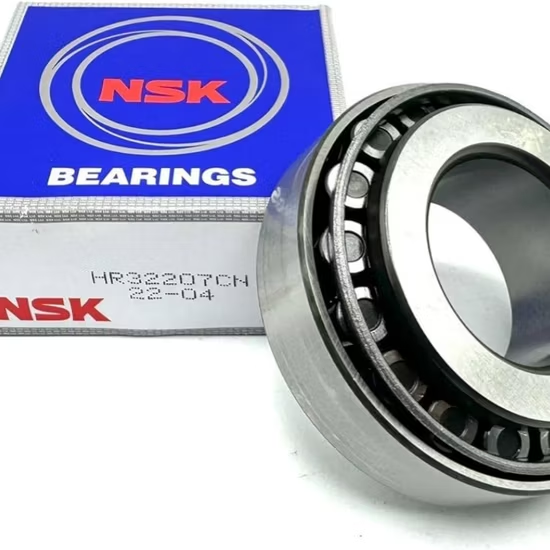

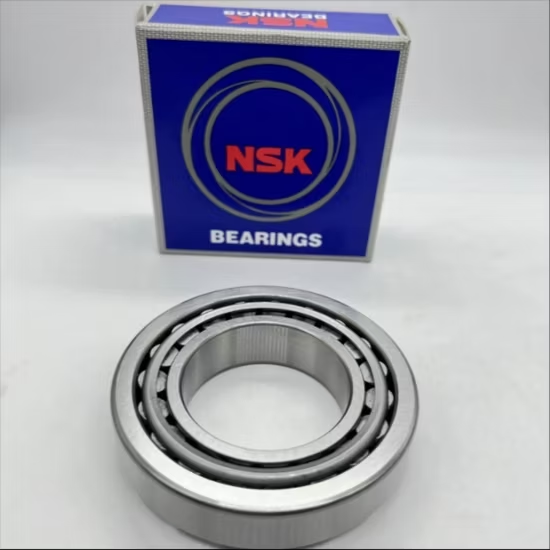
33021 33022 Tapered Roller Bearing P4 — manufactured from GCr15 bearing steel for excellent wear resistance and fatigue strength.
Cross-reference alignment verified — We match the base designation alongside internal geometry and clearance classes to prevent thermal binding in heavy-duty gearboxes.
| Parameter | Value |
|---|---|
| Designation | 33021 33022 |
| Bearing Type | Tapered Roller Bearing |
| Number of Rows | Single Row |
| Precision Class | P4 |
| Material | GCr15 Bearing Steel |
| Cage Material Options | Nylon, Brass, or Stamped Steel |
| Origin | Germany, Japan, Sweden, Malaysia, or China |
| Industry | Typical Applications |
|---|---|
| Industrial Gearboxes | Heavy-duty reduction gear shafts and pinion supports |
| Automotive & Heavy Vehicle | Wheel hub assemblies and differential carriers in commercial trucks |
| Building Material Machinery | Conveyor drive rollers and crusher eccentric shafts |
Matching the base designation without verifying internal design and clearance suffixes is a primary cause of premature thermal seizure.
During my years servicing equipment across Latin America, I witnessed numerous instances where a 33021 or 33022 tapered roller bearing failed within weeks because the replacement part matched the basic number but lacked the correct internal geometry or clearance for the specific thermal expansion profile. When procurement teams rely on superficial cross-references, they frequently receive standard clearance components for applications that strictly demand C3 or C4 clearances. This oversight leads to excessive preload under operating temperatures, resulting in rapid cage degradation and catastrophic raceway spalling .
Selecting the correct 33021 33022 tapered roller bearing requires looking beyond the catalog number to evaluate the specific load combinations and thermal dynamics of your machinery. Our technical review process ensures that the selected single-row configuration properly accommodates the combined radial and axial loads typical in heavy vehicle differentials and industrial gearboxes. By evaluating your exact mounting arrangement and operational speeds, we align the component's internal contact angles with your equipment's rigidity requirements.
Tapered roller configurations in crusher eccentric shafts and commercial truck wheel hubs endure severe combined loading and continuous shock impacts. Under these conditions, friction generates substantial heat, making the correct internal clearance absolutely critical to compensate for thermal expansion of the shaft and housing. If the operating temperature exceeds the thermal limit of standard bearing steel, or if the lubrication film breaks down due to heavy contamination, the rolling elements will skid rather than roll. Proper selection of the cage material and seal configuration is essential to maintain lubricant integrity and prevent abrasive particle ingress .
The P4 precision class specified for these components provides noticeably tighter dimensional and running accuracy compared to standard P0 grades, which is vital for minimizing vibration in high-speed pinion supports. The use of GCr15 high-carbon chromium bearing steel ensures excellent hardenability and fatigue strength, allowing the raceways to withstand immense contact stresses without premature spalling. Furthermore, the availability of different cage materials—ranging from pressed steel for high-load, low-speed environments to brass or polyamide for higher speed capabilities—allows for precise tuning to the specific vibration and lubrication conditions of the application.
Installing a component with standard internal clearance in an application engineered for C3 clearance inevitably leads to excessive operational preload as the shaft expands. This thermal binding drastically accelerates wear and often results in unplanned downtime that halts entire production lines. Beyond the immediate cost of replacement parts, the catastrophic damage caused by a seized inner ring can score the shaft and destroy adjacent seals, leading to extensive secondary repairs. Such failures frequently void equipment warranties and compromise the structural integrity of the surrounding housing .
We eliminate the risk of receiving counterfeits with soft inner rings by sourcing strictly through authorized multi-brand channels, ensuring every batch is fully traceable to the manufacturer's production facilities. Unlike suppliers who merely swap part numbers, our cross-reference expertise verifies that the internal design, cage material, and precision suffixes perfectly align with your OEM requirements. Every shipment is validated using official brand applications to guarantee authenticity, providing the technical confidence required for critical heavy-duty applications.
To ensure the selected configuration perfectly matches your operational demands, please provide detailed parameters including radial and axial load profiles, operating speeds, and expected thermal gradients. Supplying the specific OEM equipment number allows our engineering team to perform a comprehensive cross-reference check, verifying that all internal design nuances and clearance requirements are met. This technical review guarantees that the components supplied will deliver reliable performance under your exact working conditions.
Q: How do I verify the authenticity of the received components?
A: Every unit we supply features a unique traceability code that can be scanned using the manufacturer's official mobile application. This digital verification confirms the production batch, origin, and authenticity, protecting your operations from the severe risks associated with counterfeit parts that feature substandard metallurgy and cloned visual markings.
Q: Why is cross-referencing more than just the base designation important?
A: Matching only the base number often overlooks critical internal variations such as clearance class, cage material, and precision grade. Installing a standard clearance unit where a C3 is required causes thermal binding and rapid failure. We verify all technical suffixes to ensure the replacement perfectly mirrors the OEM engineering intent.
Q: What is the practical difference between standard precision and P4 class?
A: P4 precision offers noticeably tighter dimensional and running accuracy than standard grades. In demanding applications like industrial gearboxes, this enhanced accuracy minimizes vibration, ensures uniform load distribution across the rollers, and significantly extends the operational lifespan of the shaft and housing assemblies.
Q: How do I choose the correct cage material for my application?
A: The optimal cage material depends on your specific speed, load, and lubrication conditions. Pressed steel cages are highly durable for heavy-load applications, while brass or polyamide variants offer distinct advantages in high-speed or high-vibration environments. We review your operational parameters to recommend the most suitable configuration.
Our 5-step process ensures every order is engineered, validated, and supported for optimal performance.
Technical needs assessment
Custom specifications
Free samples for $50k+
Pre-shipment inspection
On-site & predictive
Our certified engineers respond within 24 hours with detailed technical specifications, pricing, and lead time information.