01
Consultation
Technical needs assessment


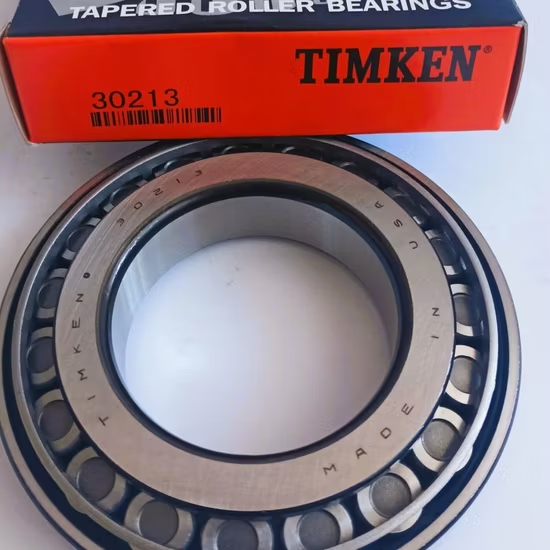
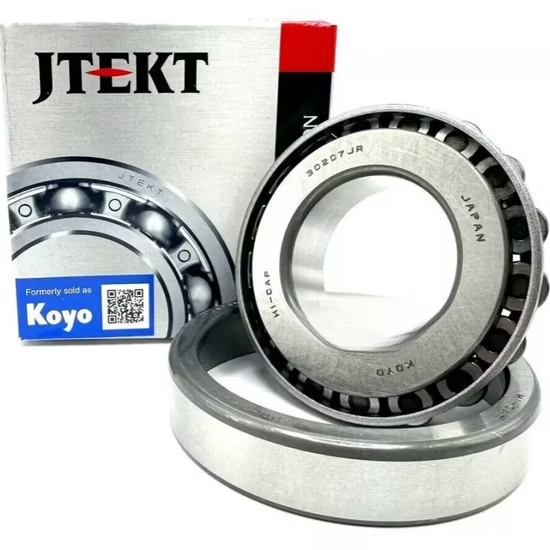
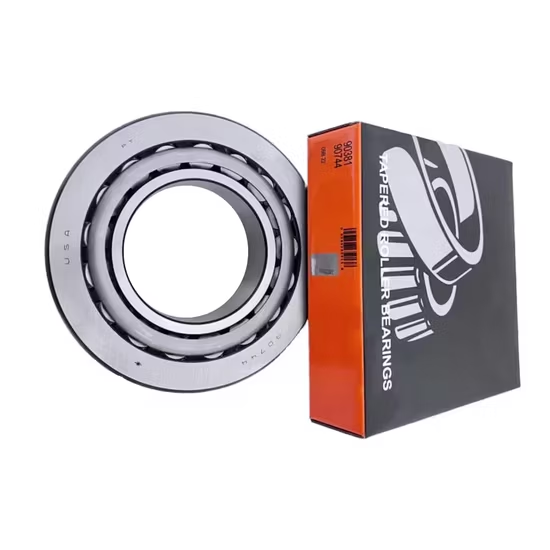
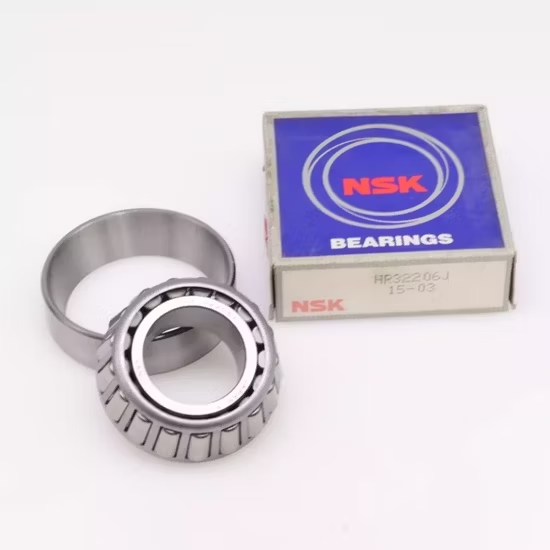

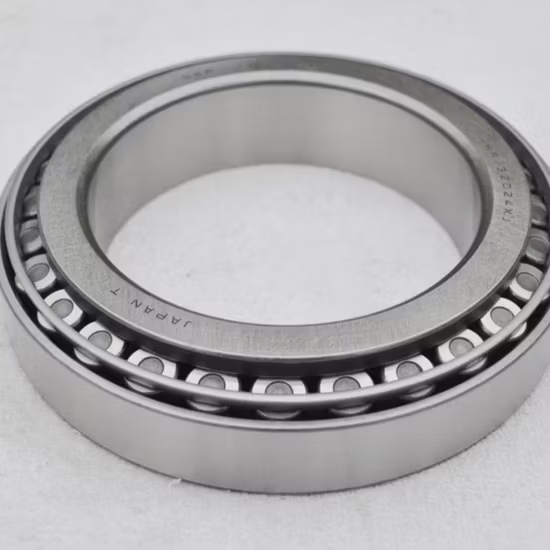
32918 32919 Tapered Roller Bearing P4 — Single row structure accommodates combined radial and axial loads in gearboxes and axles.
Multi-Brand Sourcing — One consolidated shipment delivers verified 32918 and 32919 units with matched cage materials and P4 precision across different OEM origins.
| Parameter | Value |
|---|---|
| Designation | 32918 32919 |
| Bearing Type | Single Row Tapered Roller Bearing |
| Bore Diameter (d) | 90 mm (32918) / 95 mm (32919) |
| Outside Diameter (D) | 125 mm (32918) / 130 mm (32919) |
| Width (T) | 23 mm |
| Precision Class | P4 |
| Cage Material Options | Nylon, Brass, or Iron |
| Bearing Material | GCr15 High-Carbon Chromium Steel |
| Origin Options | Germany, Japan, Sweden, Malaysia, China |
| Industry | Typical Applications |
|---|---|
| Automotive & Heavy Vehicles | Wheel hubs, truck axles, and trailer spindle assemblies |
| Industrial Power Transmission | Heavy-duty gearboxes, reduction drives, and pinion shafts |
| Marine & Off-Road | Marine propulsion drives and agricultural machinery steering joints |
Matching the base number without verifying the cage material leads to rapid thermal degradation under sustained highway speeds.
When sourcing replacement components for heavy vehicle axles or industrial gearboxes, procurement teams often focus strictly on the bore and outside diameter. Yet, field failures frequently trace back to a retainer that cannot handle the specific vibration profile or operating temperature of the application. Installing a standard nylon cage in a high-heat gearbox environment, or using an iron cage where high-speed centrifugal forces demand the lighter mass of a polymer retainer, creates immediate friction imbalances . These mismatches cause the rolling elements to skew, accelerating wear long before the steel rings reach their calculated fatigue limit.
Upgrading to P4 precision for a 32918 32919 tapered roller bearing ensures tighter dimensional tolerances and superior running accuracy compared to standard commercial grades. This exacting geometry minimizes micro-vibrations in high-speed pinion shafts and automotive wheel hubs, directly reducing noise and preventing localized stress concentrations on the raceways. Our technical team reviews your specific rotational speed and load vectors to confirm that this elevated precision class translates into measurable stability for your equipment.
The operational environment dictates which retainer material will survive the service interval. Nylon cages offer low friction and quiet operation but have strict thermal limits, making them ideal for sealed, grease-lubricated wheel hubs. Brass retainers provide exceptional durability and heat dissipation for heavy-load gearboxes subjected to continuous high temperatures. Iron cages offer a robust middle ground for moderate-speed applications where shock loads are present but extreme thermal expansion is not a primary concern . Selecting the wrong material inevitably leads to cage deformation or fragmentation.
The single row tapered design inherently manages combined radial and axial loads by directing forces at an angle through the rollers. The GCr15 bearing steel provides the necessary core hardness and fatigue resistance to withstand these complex stress vectors. Because the internal contact angle is optimized for heavy thrust loads, proper axial adjustment during mounting is critical. If the preload is set too tight, friction generates excessive heat; if too loose, the rollers skid rather than roll, destroying the P4 precision raceway finish.
Ignoring the interplay between cage material, precision class, and mounting preload results in catastrophic operational disruptions. When internal geometries bind due to thermal expansion, the resulting friction can weld the rollers to the raceway, causing sudden axle lockups or gearbox seizures. These events trigger unplanned downtime, void equipment warranties, and necessitate complete assembly replacements rather than simple component swaps .
We prevent cross-reference errors by verifying that the replacement unit matches the original equipment's cage material and precision suffix, not just the base dimensions. Our inventory provides full batch traceability to the manufacturer, ensuring you receive genuine GCr15 steel components rather than substandard substitutes with soft inner rings. By supplying authorized multi-brand options, we consolidate your 32918 and 32919 requirements into single, verified shipments. Every order includes application-based selection reviews to confirm the retainer and precision class suit your specific load and temperature profiles.
To ensure optimal performance, share your specific radial and axial load profiles, operating speeds, and steady-state temperatures. Providing the exact OEM equipment number or the dimensions of the housing and shaft allows our engineering team to execute a precise cross-reference check. We will verify the required cage material and confirm the mounting preload specifications to guarantee the selected components meet your operational demands.
Q: Why is cage material selection critical when replacing these specific tapered units?
A: The retainer controls roller spacing and manages friction. Using a nylon cage in a high-temperature gearbox causes thermal melting, while a heavy brass cage in a high-speed wheel hub increases centrifugal drag. Matching the original material ensures the bearing handles your specific speed and thermal profile without premature failure.
Q: How does P4 precision benefit automotive and heavy vehicle wheel hubs?
A: P4 class guarantees tighter dimensional and running accuracy than standard grades. This reduces micro-vibrations and noise at highway speeds, ensures even load distribution across the tapered rollers, and prevents localized stress that leads to early raceway spalling in demanding drivetrain applications.
Q: What documentation proves the authenticity of the GCr15 steel used?
A: Every shipment includes a material test report confirming the high-carbon chromium steel composition, alongside a Certificate of Conformity. You also receive batch traceability documents and QR codes that link directly to the manufacturer's official verification systems.
Q: How do you handle cross-referencing for mixed-brand gearbox requirements?
A: We map the base dimensions, precision class, and cage material across authorized brands. This ensures the replacement unit matches the exact internal geometry and thermal capacity of the original, preventing the binding or skidding failures caused by superficial part number matching.
Our 5-step process ensures every order is engineered, validated, and supported for optimal performance.
Technical needs assessment
Custom specifications
Free samples for $50k+
Pre-shipment inspection
On-site & predictive
Our certified engineers respond within 24 hours with detailed technical specifications, pricing, and lead time information.