01
Consultation
Technical needs assessment

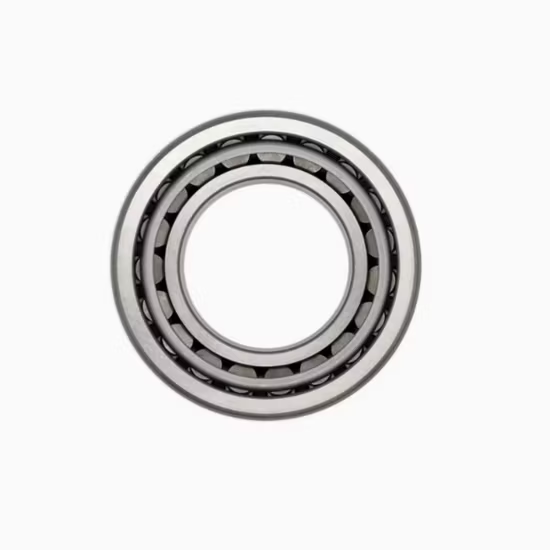
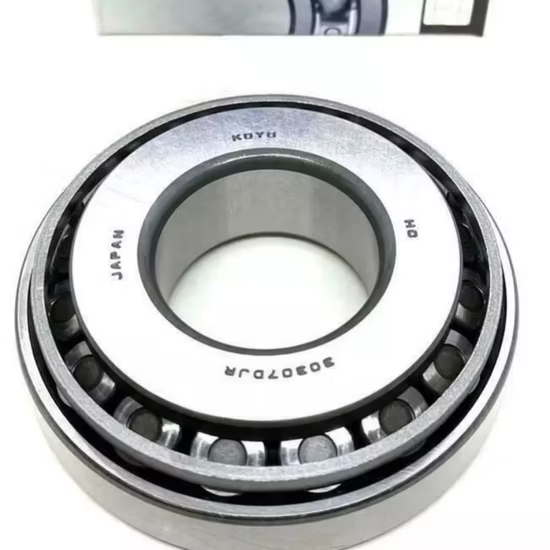
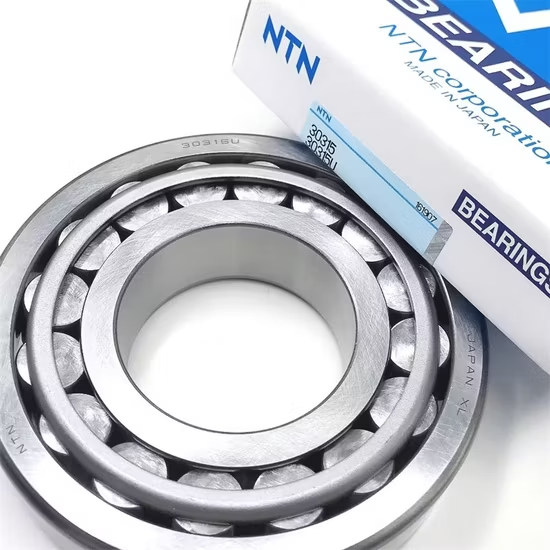
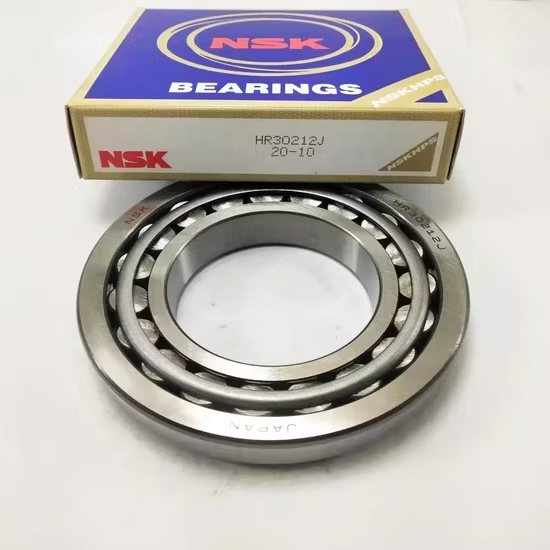
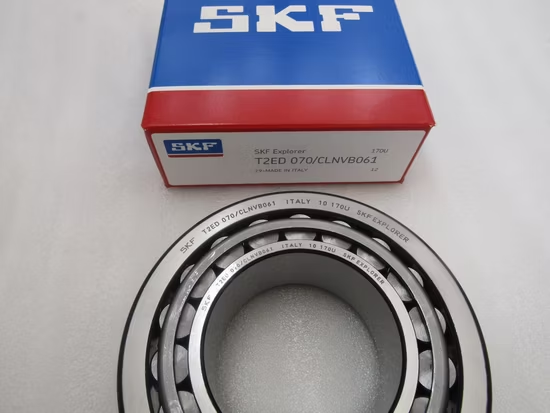
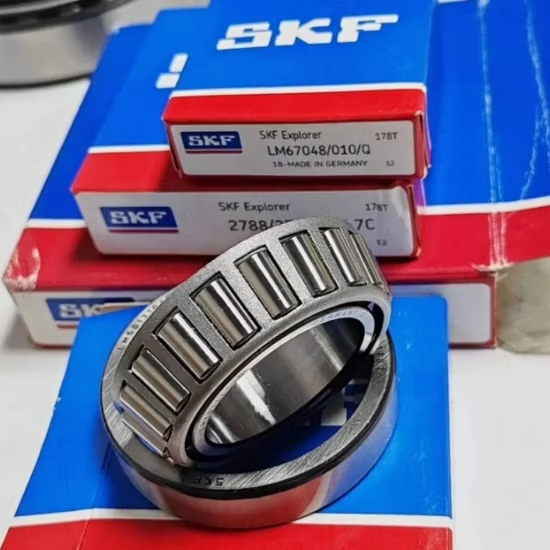
32321 32322 Tapered Roller Bearing P4 — Single row heavy width series engineered for combined radial and axial loads. P4 precision ensures tighter dimensional and running accuracy for stable operation in agricultural and industrial machinery.
Cross-reference alignment verified — Base number, cage material, and P4 precision are matched simultaneously to prevent thermal binding in heavy-width applications.
| Parameter | Value |
|---|---|
| Designation | 32321 32322 |
| Bearing Type | Tapered Roller Bearing |
| Number of Rows | Single Row |
| Precision Class | P4 |
| Cage Material | Nylon / Brass / Iron |
| Material | GCr15 Bearing Steel |
| Origin | Germany / Japan / Sweden / Malaysia / China |
| Industry | Typical Applications |
|---|---|
| Agricultural Machinery | Combine harvester rotor drives and tractor final drive axles |
| Automotive and Heavy Vehicle Repair | Commercial truck wheel hubs and heavy-duty transmission shafts |
| Building Material Equipment | Crusher eccentric shafts and vibrating screen mechanisms |
Matching the base designation without verifying the precision class and cage material guarantees premature failure under heavy combined loads.
In my years handling aftermarket support for mining and agricultural fleets across Latin America, I have seen countless heavy-width bearings seize simply because the procurement team only checked the base number. Installing a standard clearance and precision grade in a high-temperature, high-load environment causes the internal geometry to bind. The result is catastrophic cage failure and shaft damage . When sourcing the 32321 32322 tapered roller bearing, overlooking the P4 precision requirement or the specific cage material turns a routine replacement into an unplanned downtime event.
The 32321 32322 tapered roller bearing is engineered to handle simultaneous radial and axial forces, but its true capability depends on exact specification alignment. Our technical review process ensures that the P4 precision class and the selected cage material directly correspond to your equipment's operational demands. By validating the complete designation rather than just the base number, we prevent the subtle misalignments that cause excessive friction and heat generation in heavy-width applications.
Heavy machinery generates substantial heat through friction and ambient operating conditions. If the internal clearance does not account for thermal expansion, the rolling elements will skid and burnish the raceways. Furthermore, cage material selection is critical; nylon cages offer low friction but have strict temperature limits, while brass or iron cages provide the structural rigidity needed for high-vibration environments like crushers or final drives . Proper lubrication intervals and seal selection must also be calibrated to keep contaminants out without inducing excessive churning losses.
The 323 series indicates a heavy-width dimension series, providing a larger contact area and higher load-carrying capacity compared to standard width equivalents. Achieving P4 precision means the dimensional and running accuracy tolerances are significantly tighter than standard P0 grades, which is essential for minimizing vibration and ensuring stable operation in high-speed transmission shafts. The availability of nylon, brass, or iron cage options allows engineers to optimize the bearing for specific speed and load profiles, ensuring the rolling elements remain perfectly guided under extreme stress.
Ignoring the precision class and internal design specifics leads directly to premature spalling and cage fracture. When a bearing operates outside its intended thermal and mechanical boundaries, the lubricant degrades rapidly, leading to metal-to-metal contact. This cascade of failure not only destroys the bearing but often scores the shaft and housing, resulting in catastrophic damage and warranty voidance .
We cover authorized distribution across all major international brands, meaning a single order can fulfill mixed-brand requirements for complex overhauls. Every batch of heavy-width bearings we supply includes full traceability to the manufacturer, verified via official QR applications. Our cross-reference process strictly aligns the base designation, P4 precision, and cage material, eliminating the guesswork that causes thermal binding. We provide application-based selection reviews that evaluate your specific load, speed, and temperature parameters to ensure the chosen configuration survives the field.
To ensure accurate selection and L10 life calculation, please provide the exact radial and axial loads, operating speeds, and thermal conditions of your application. Sharing the OEM equipment number allows our engineering team to perform a precise cross-reference check against the required precision and cage specifications. Detailing the environmental exposure, such as dust or moisture levels, helps us confirm the optimal configuration for your machinery.
Q: How do we verify the authenticity of the received units?
A: Every unit includes batch traceability documentation and a QR code that can be scanned using the official brand application. This digital verification confirms the manufacturing origin, the exact P4 precision class, and the material specifications, ensuring you receive genuine products rather than counterfeits with cloned markings and soft inner rings.
Q: Why is cross-referencing more than just matching the base number?
A: Matching only the base designation often overlooks critical internal differences like cage material and precision class. A standard replacement might fit physically but fail thermally or mechanically under heavy loads. We align the base number, P4 precision, and specific cage type simultaneously to guarantee the replacement performs identically to the original design.
Q: How do we choose between nylon, brass, or iron cages?
A: Nylon cages offer low friction and noise but have strict upper temperature limits. Brass and iron cages provide superior structural rigidity and thermal stability, making them ideal for high-vibration or high-temperature environments like agricultural rotor drives. The choice depends entirely on your specific speed, load, and thermal operating boundaries.
Q: What does P4 precision mean compared to standard grades?
A: P4 precision indicates significantly tighter dimensional and running accuracy tolerances than standard P0 grades. This enhanced precision minimizes vibration, reduces heat generation, and ensures stable operation in demanding applications like transmission shafts, directly contributing to a noticeably extended operational lifespan.
Q: What mounting practices are recommended for these heavy-width bearings?
A: Induction heating is highly recommended for mounting the inner rings, ensuring uniform thermal expansion without damaging the GCr15 steel microstructure. It is crucial to monitor the heating temperature strictly and use appropriate pressing tools to avoid施加 uneven forces that could deform the cage or damage the precision-ground raceways.
Our 5-step process ensures every order is engineered, validated, and supported for optimal performance.
Technical needs assessment
Custom specifications
Free samples for $50k+
Pre-shipment inspection
On-site & predictive
Our certified engineers respond within 24 hours with detailed technical specifications, pricing, and lead time information.