01
Consultation
Technical needs assessment


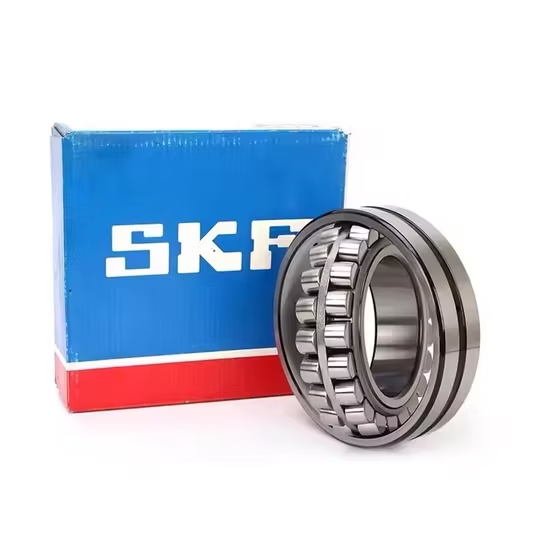
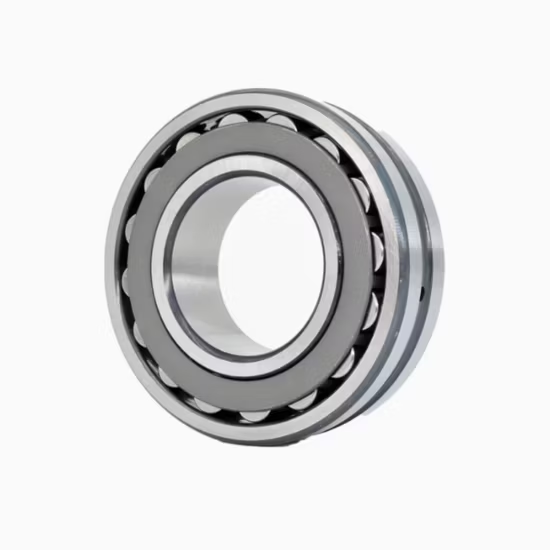
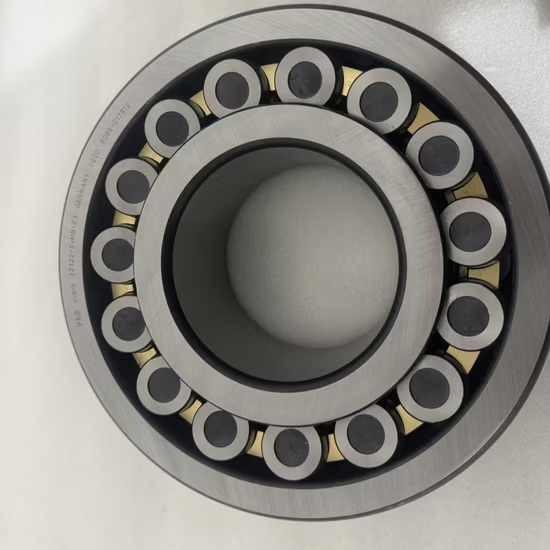


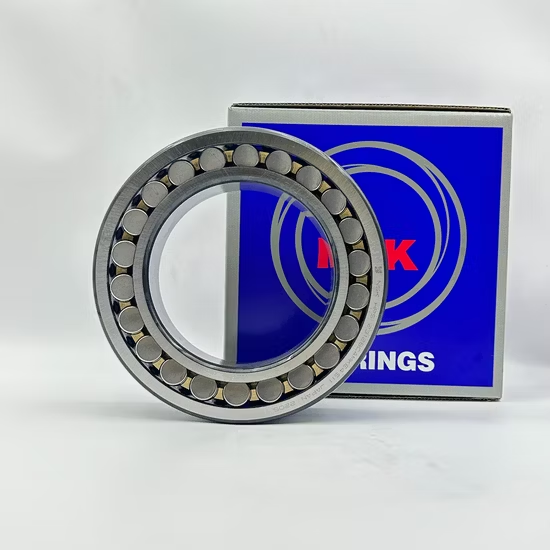
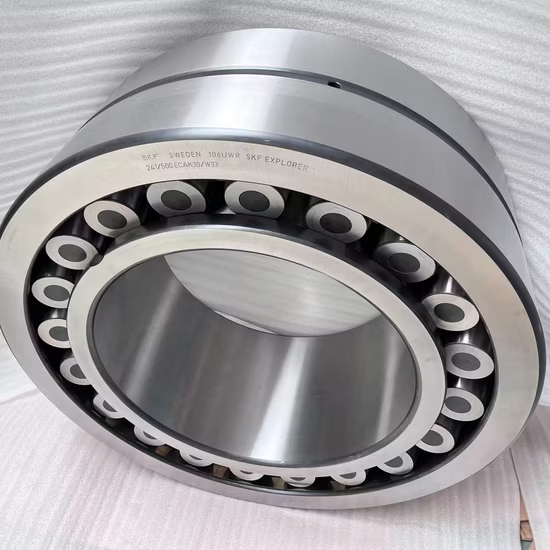
21316cc Spherical Roller Bearing — inherently accommodates heavy radial loads and moderate axial loads while tolerating shaft misalignment in cranes and papermaking equipment.
Three-Way Cross-Reference Alignment — we verify the base number, internal clearance, and cage design simultaneously to prevent thermal binding in heavy-duty applications.
| Parameter | Value |
|---|---|
| Designation | 21316cc |
| Product Type | Spherical Roller Bearing |
| Origin | Germany / Japan / Sweden / Malaysia / China |
| HS Code | 8482500090 |
| Cage Material | Steel (indicated by cc suffix) |
Note: The 'cc' suffix is an unverified designation commonly associated with steel cages and optimized internal geometry; always confirm exact specifications with the specific manufacturer's catalog.
| Industry | Typical Applications |
|---|---|
| Material Handling | Crane slewing mechanisms and hoist drum supports |
| Pulp & Paper | Papermaking equipment dryer section rolls |
| Mining & Aggregates | Vibrating screens and primary crusher shafts |
| Metals | Steel mill continuous caster guide rolls |
Matching the base number is only the first step; ignoring the cage and clearance suffixes guarantees premature failure.
I learned this the hard way while troubleshooting a paper machine downtime in Dubai. The maintenance team installed a replacement bearing that matched the base designation perfectly, but the internal clearance and cage material were wrong for the dryer section's thermal profile. The result was a catastrophic thermal binding that seized the shaft. When sourcing a 21316cc spherical roller bearing, relying solely on the base number while overlooking suffix details leads to identical field failures, turning a simple swap into a costly extraction job .
Selecting the correct 21316cc spherical roller bearing requires looking beyond the catalog number to evaluate how the internal geometry handles specific operational stresses. Our technical review process cross-references the requested designation against the actual operating parameters, ensuring the cage design and internal clearance match the equipment's thermal and load profile. This prevents the subtle mismatches that cause excessive friction and premature fatigue in critical crane and paper mill drives.
Crane slewing rings and paper machine dryer rolls subject bearings to heavy radial loads combined with significant shaft misalignment and elevated ambient heat. In these environments, the internal clearance must accommodate thermal expansion without allowing excessive internal play that damages the raceway. Proper lubrication intervals and the correct cage material are equally critical to dissipate friction heat and withstand the continuous vibration typical of vibrating screens and crushers .
The spherical roller design inherently manages heavy radial loads and moderate axial loads while tolerating shaft deflection. The steel cage configuration, typically denoted by the cc suffix, provides a balance of strength and weight, making it suitable for high-load, moderate-speed applications where brass cages might be overkill or polymer cages would melt. Selecting the appropriate internal clearance class is vital; standard clearance may suffice for ambient crane hoists, but high-temperature papermaking rolls demand expanded clearance to prevent the rollers from skewing and binding as the shaft heats up during operation.
Installing a bearing with insufficient internal clearance in a high-heat environment causes the rollers to slide rather than roll, rapidly degrading the lubricant. This leads to unplanned downtime, severe shaft scoring, and catastrophic damage to the surrounding housing. Following failure analysis frameworks, a significant share of these premature failures stem directly from application mismatches rather than manufacturing defects, voiding warranties and forcing emergency procurement at premium costs .
Sourcing mixed-brand requirements through a single authorized channel eliminates the coordination delays typical of fragmented supply chains. We verify that cross-reference replacements match not just the base number, but the exact cage and clearance suffixes required by your specific machinery. Every shipment includes strict batch traceability to the manufacturer, ensuring you receive genuine components rather than counterfeits with soft inner rings. Our application-based selection review catches potential thermal or load mismatches before the parts ever reach your site.
To ensure the selected component perfectly matches your machinery, please provide the specific radial and axial loads, operating speeds, and ambient temperature ranges. Supplying the original OEM equipment number allows our engineering team to perform a precise cross-reference check, verifying that the internal clearance and cage design align with the factory specifications. This technical validation guarantees the replacement integrates flawlessly into your existing maintenance schedule.
Q: How can I verify the authenticity of the bearing before installation?
A: Authenticity is confirmed by scanning the QR code on the packaging using the manufacturer's official mobile application. Additionally, we provide full batch and lot traceability documentation that links the specific unit to its original production run, ensuring you receive genuine components rather than counterfeits with compromised metallurgy.
Q: Why is it critical to match the exact clearance and cage suffixes during cross-brand interchange?
A: Matching only the base designation while ignoring suffixes often results in thermal binding or cage failure. The internal clearance must accommodate the specific thermal expansion of your application, and the cage material must withstand the operational vibration and load, ensuring the replacement performs identically to the original equipment manufacturer's specification.
Q: What specific loads and misalignment tolerances apply to crane applications?
A: Spherical roller bearings are engineered to handle heavy radial loads and moderate axial loads while accommodating shaft misalignment. In crane slewing and hoist applications, this design compensates for structural deflection and housing bore inaccuracies, preventing edge loading on the rollers and extending the operational lifespan of the assembly.
Q: How do I select the correct internal clearance for high-temperature papermaking equipment?
A: High-temperature environments, such as paper machine dryer sections, require expanded internal clearance to compensate for the thermal expansion of the shaft and inner ring. Selecting standard clearance in these conditions causes the bearing to tighten and seize during operation, making application-specific clearance selection essential for reliable performance.
Q: What mounting practices are recommended for large spherical roller bearings?
A: Proper mounting involves using induction heaters to expand the inner ring evenly without exceeding the thermal limits of the steel cage. It is crucial to measure the residual internal clearance after mounting to ensure the interference fit has not eliminated the necessary operational clearance, preventing premature friction and heat generation.
Our 5-step process ensures every order is engineered, validated, and supported for optimal performance.
Technical needs assessment
Custom specifications
Free samples for $50k+
Pre-shipment inspection
On-site & predictive
Our certified engineers respond within 24 hours with detailed technical specifications, pricing, and lead time information.