01
Consultation
Technical needs assessment


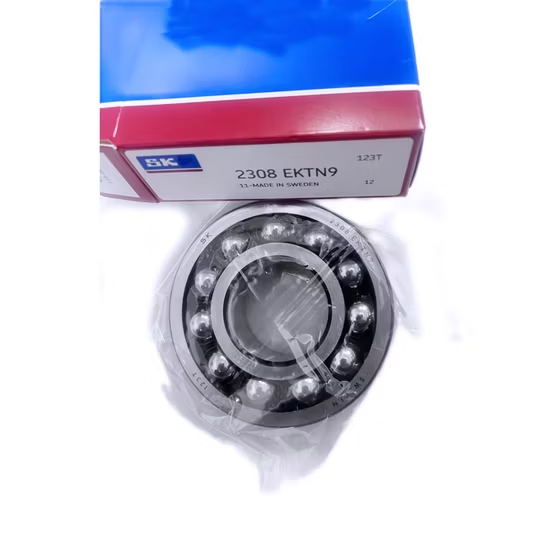
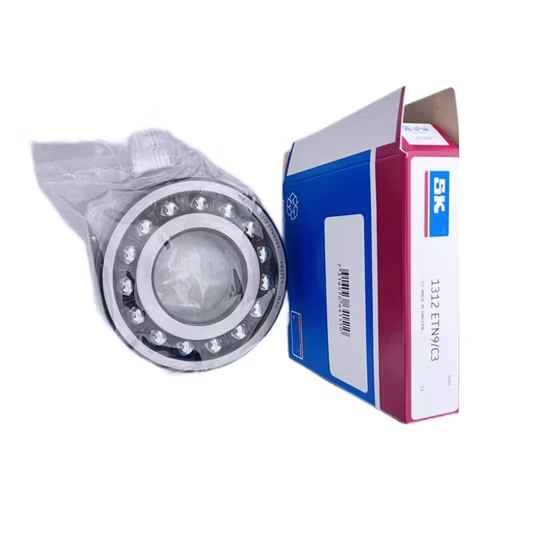


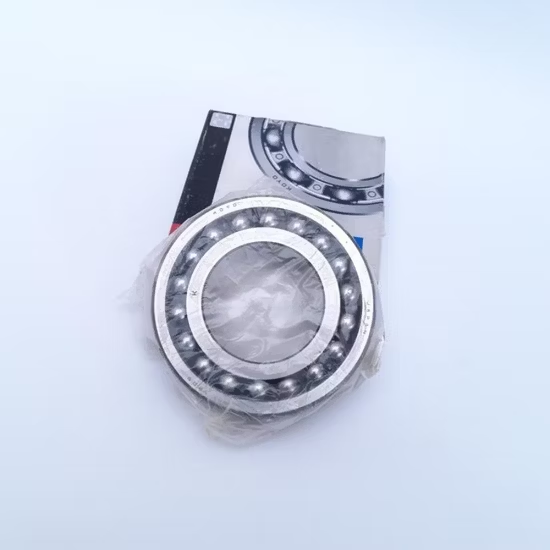
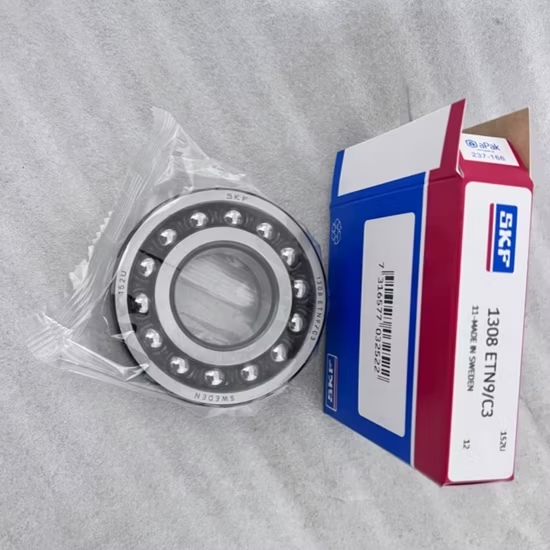
1310 1311 1312 1313 1314 1315 1316 1317 1318 1319 Self-Aligning Ball Bearings CN P0 feature open, rubber-sealed, and iron-shielded configurations to accommodate shaft misalignment while managing contamination in electric motors and gearboxes.
Full Brand Coverage — sourcing the 1310 1311 1312 1313 1314 1315 1316 1317 1318 1319 self-aligning ball bearing from multiple manufacturers in a single consolidated shipment eliminates multi-vendor coordination delays.
| Parameter | Value |
|---|---|
| Designation | 1310 1311 1312 1313 1314 1315 1316 1317 1318 1319 |
| Product Type | Self-Aligning Ball Bearing |
| Bearing Style Options | Open, Rubber Seals, Iron Seals |
| Clearance Class | Normal (CN) default; C3 available for thermal expansion |
| Precision Class | Normal (P0) |
| Material | Standard bearing steel; stainless steel variants available |
| Origin Options | Germany, Japan, Sweden, Malaysia, China |
| HS Code | 848210 |
| Industry | Typical Applications |
|---|---|
| Material Handling | Conveyor belt return idlers and pulley shafts subject to frame deflection |
| Agriculture | Combine harvester threshing drums and auger drive shafts |
| Textile Manufacturing | Spinning frame rollers and loom shaft supports experiencing vibration |
| General Machinery | Centrifugal pump shafts and electric motor non-drive end supports |
The self-aligning outer ring raceway prevents edge loading, but incorrect internal clearance will still cause thermal binding.
When specifying the 1310 1311 1312 1313 1314 1315 1316 1317 1318 1319 self-aligning ball bearing, procurement teams often focus solely on the base designation. However, deploying a standard CN clearance unit in an application with significant temperature gradients or tight interference fits leads to premature failure. In my years troubleshooting equipment in high-ambient-temperature environments like Dubai, I have seen countless 1316 and 1317 units seize simply because the thermal expansion of the shaft eliminated the internal clearance. The self-aligning feature successfully compensates for housing deflection, but it cannot absorb the radial expansion caused by heat if the initial clearance was not upgraded to C3 .
The primary advantage of the 1310 1311 1312 1313 1314 1315 1316 1317 1318 1319 self-aligning ball bearing is its spherical outer ring raceway, which allows the inner ring and ball assembly to align freely with the outer ring. This makes the series ideal for long shafts where precise housing alignment is impossible or where the shaft deflects under load. By accommodating these angular misalignments, the bearing prevents the concentrated edge stresses that rapidly destroy standard deep groove ball bearings in similar setups.
In agricultural and textile applications, these bearings face severe contamination and constant vibration. Open-type configurations require robust external sealing solutions and frequent relubrication to flush out particulate ingress. When maintenance access is restricted, rubber-sealed or iron-shielded variants become necessary to retain grease and block dust. Furthermore, the operating temperature directly dictates the lubrication strategy; elevated ambient temperatures degrade standard greases rapidly, necessitating high-temperature synthetic lubricants and careful monitoring of the relubrication intervals to prevent cage starvation .
Since the base designations 1310 through 1319 imply a standard open type with CN clearance and P0 precision, technical buyers must actively specify deviations. If the equipment operates with a hot shaft and a cool housing, a C3 clearance is mandatory to prevent the balls from skidding and generating excess friction heat. For applications requiring protection against moisture or dust without external seals, requesting iron shields or rubber contact seals alters the friction profile and speed limits. Selecting the correct cage material—whether pressed steel for standard speeds or machined brass for high-vibration environments—ensures the bearing survives the specific dynamic loads of the machinery.
Overlooking suffix requirements during cross-referencing leads to catastrophic equipment downtime. Installing a standard CN clearance bearing where a C3 is required results in thermal seizure, often destroying the shaft and housing in the process. Conversely, using a rubber-sealed variant in a high-speed application generates excessive friction heat, melting the seal lips and contaminating the raceway. These failures are classified under lubrication and thermal distress in ISO 15243, and they entirely void manufacturer warranties while triggering expensive unplanned maintenance shutdowns .
Our distribution model focuses on technical verification rather than simple order fulfillment. We cross-reference the 1310 1311 1312 1313 1314 1315 1316 1317 1318 1319 self-aligning ball bearing across SKF, FAG, NSK, and NTN, ensuring that the clearance, cage material, and seal types match perfectly, not just the base numbers. Every unit we supply features batch traceability, allowing you to verify authenticity via the manufacturer's official app. We review your specific load, speed, and temperature parameters to recommend the exact suffix configuration, preventing the costly field failures caused by generic replacements.
To ensure the correct configuration for your machinery, please provide the specific radial and axial loads, operating speeds, and expected temperature ranges. Sharing the OEM equipment number or the exact housing dimensions allows our engineering team to perform a precise cross-reference and L10 life calculation. Detailing the environmental conditions, such as dust ingress or moisture exposure, enables us to recommend the optimal seal type and initial grease fill for your application.
Q: How do I verify the authenticity of the 1310-1319 bearings upon delivery?
A: Every genuine unit we supply includes manufacturer-applied QR codes on the packaging. You can scan these codes using the brand's official mobile application to instantly verify the batch number, production date, and origin. This digital traceability ensures you are installing authentic components, protecting your equipment from the premature failures associated with counterfeit bearings that feature soft inner rings and cloned visual markings.
Q: Why is it critical to specify C3 clearance instead of the default CN for these bearings?
A: The default CN clearance is designed for standard operating temperatures and normal shaft fits. If your application involves high operating temperatures or tight interference fits on the shaft, the internal clearance will be reduced during operation. Specifying a C3 clearance provides the necessary extra internal space to accommodate thermal expansion, preventing the bearing from binding, overheating, and suffering catastrophic cage failure under load.
Q: What are the operational differences between open, rubber-sealed, and iron-shielded variants?
A: Open bearings offer the highest speed capability and allow for custom relubrication but require external housing seals. Iron shields provide non-contact protection against large dust particles with minimal friction, making them suitable for higher speeds. Rubber seals offer superior protection against moisture and fine contaminants through contact sealing, but they generate higher friction and are therefore limited to lower-speed applications.
Q: How does the self-aligning feature impact the housing design requirements?
A: The spherical outer ring allows the bearing to accommodate static and dynamic shaft misalignment. However, the housing bore must be machined to the correct tolerance to allow the outer ring to slide or rotate slightly during alignment. If the housing fit is too tight, it will restrict this self-aligning movement, transferring edge loads to the rolling elements and negating the primary design advantage of the 1300 series.
Q: Can I use these bearings as a direct replacement for other brands?
A: Yes, the 1310 through 1319 designations are standardized across major manufacturers like SKF, FAG, and NSK. However, a direct replacement requires matching not only the base number but also the internal clearance, cage material, and seal type. We provide comprehensive cross-referencing to ensure the replacement unit meets the exact technical specifications required by your original equipment manufacturer.
Our 5-step process ensures every order is engineered, validated, and supported for optimal performance.
Technical needs assessment
Custom specifications
Free samples for $50k+
Pre-shipment inspection
On-site & predictive
Our certified engineers respond within 24 hours with detailed technical specifications, pricing, and lead time information.