01
Consultation
Technical needs assessment

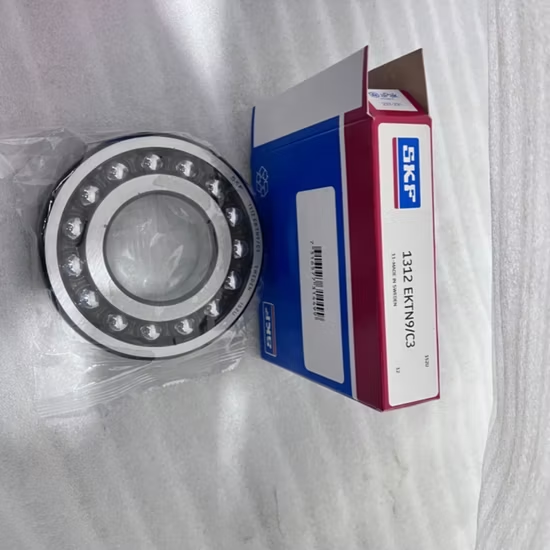
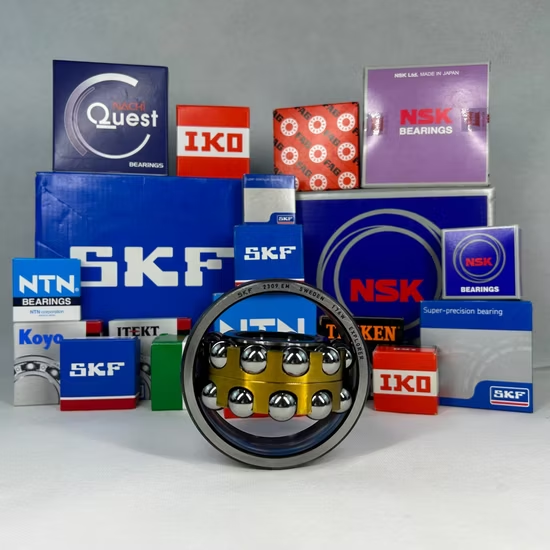
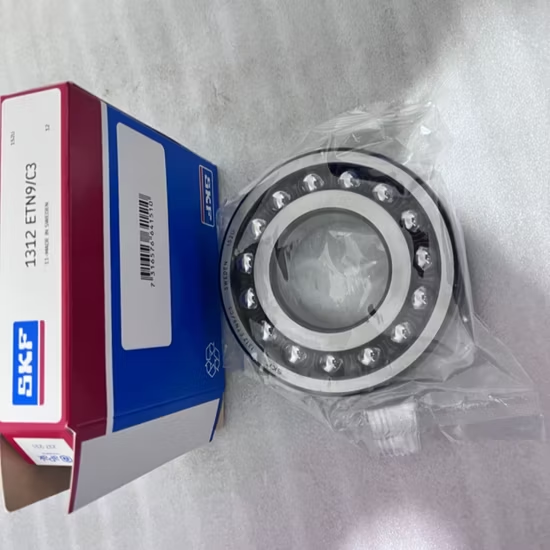
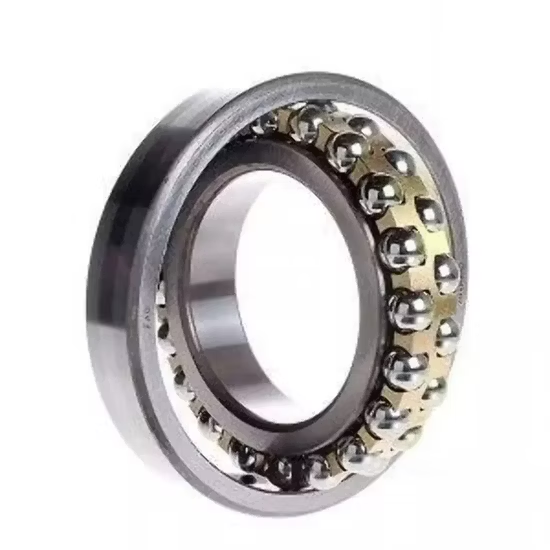
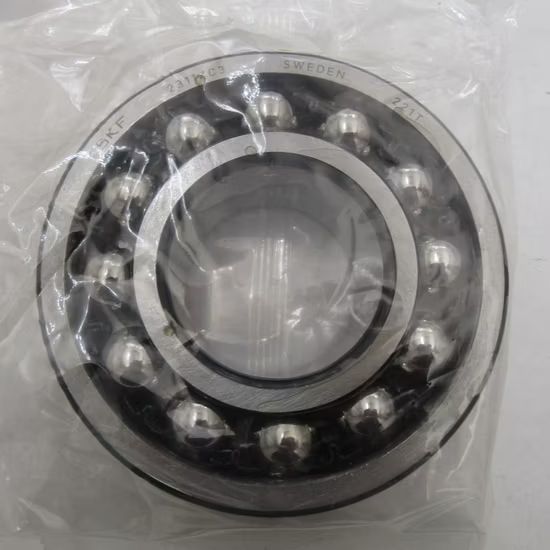
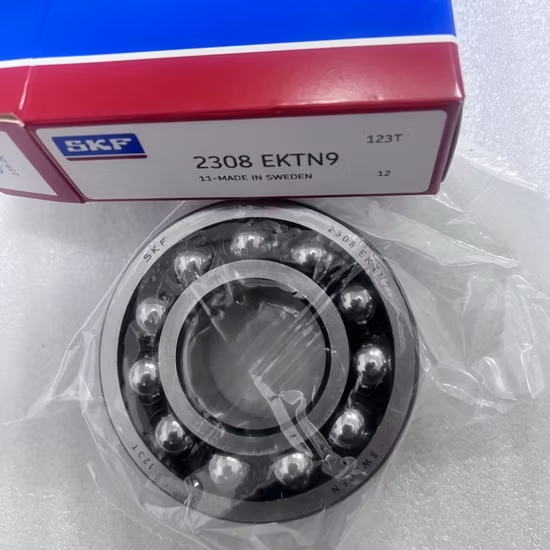
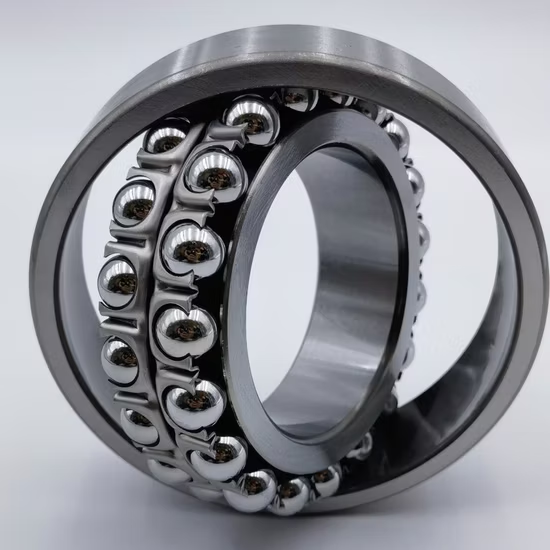
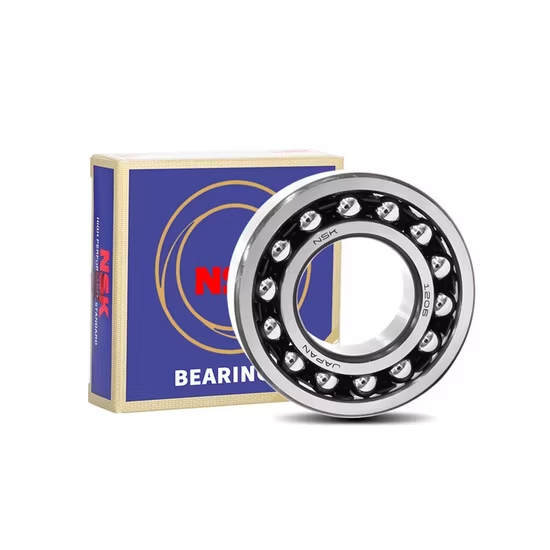
1200 1201 1202 1203 1204 1205 Self-Aligning Ball Bearing — open design with standard internal configuration accommodates shaft misalignment, requiring external sealing for electric motors and conveyors.
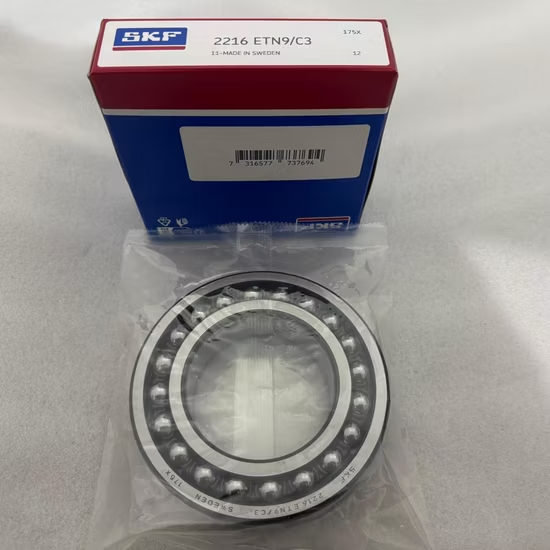
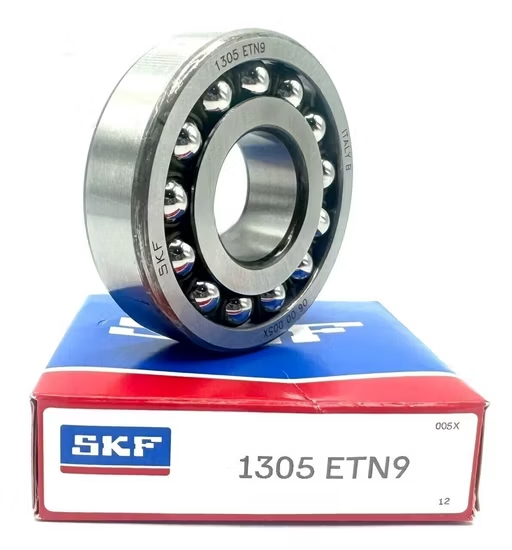
Traceable Batch Origins — Every 1200 1201 1202 1203 1204 1205 self-aligning ball bearing ships with manufacturer lot documentation to verify production provenance.
| Parameter | Value |
|---|---|
| Designation | 1200 1201 1202 1203 1204 1205 |
| Bearing Type | Self-Aligning Ball Bearing |
| Seal or Shield Type | Open, Rubber Seals, Iron Seals |
| Origin | Germany / Japan / Sweden / Malaysia / China |
| HS Code | 848210 |
| Industry | Typical Applications |
|---|---|
| Electric Motors | Rotor shafts subject to slight housing misalignment |
| Agricultural Machinery | Conveyor drive pulleys and seed metering shafts |
| Material Handling | Belt conveyor idler rollers and transfer mechanisms |
Matching the base designation is merely the starting point for reliable operation.
In demanding environments like Middle Eastern agricultural facilities, installing an open bearing where a rubber seal was required allows abrasive dust to infiltrate the raceway rapidly. Similarly, specifying standard clearance for a high-speed electric motor rotor leads to thermal binding as the inner ring expands. These mismatches cause catastrophic cage failure long before the steel itself fatigues, turning a minor procurement oversight into prolonged equipment downtime.
Securing the correct 1200 1201 1202 1203 1204 1205 self-aligning ball bearing requires validating every suffix against the actual operating environment. Our technical team reviews the specific seal variants and internal clearances requested, ensuring the selected configuration accommodates the expected thermal expansion and contamination levels of your machinery. This rigorous cross-reference validation prevents the costly installation errors that plague standard catalog orders.
Shaft misalignment combined with fluctuating operating temperatures places unique stress on the internal geometry of these components. When an electric motor ramps up, the inner ring heats and expands faster than the outer housing; if standard clearance is installed instead of a larger internal clearance variant, the rolling elements bind and generate excessive friction heat. Furthermore, agricultural conveyors expose open bearings to severe particulate ingress, necessitating rubber seals for contact sealing or iron shields for non-contact protection to maintain lubrication integrity.
The standard internal design without suffixes indicates an open bearing, which relies entirely on the equipment housing for sealing and external lubrication systems to flush out contaminants. Rubber seals provide superior exclusion of fine agricultural dust and moisture but introduce slight frictional heat at higher rotational speeds. Conversely, iron shields offer a non-contact barrier that limits large debris ingress while maintaining lower operating temperatures, making them ideal for high-speed electric motor applications where thermal management is critical.
Overlooking the required internal clearance class during procurement inevitably results in unplanned downtime and premature seizure. When thermal expansion eliminates the internal operating clearance, the resulting friction destroys the cage and damages the shaft journal, leading to catastrophic damage that extends far beyond the component itself. According to ISO 281 rating life calculations, operating under bound conditions drastically reduces the theoretical fatigue life, voiding equipment warranties and forcing emergency replacements.
Sourcing the 1200 1201 1202 1203 1204 1205 self-aligning ball bearing from our authorized network guarantees that mixed-brand requirements are fulfilled with consistent documentation. We actively prevent cross-reference errors where a base number matches but the internal seal type differs from the OEM requirement. Every shipment includes batch traceability to the manufacturer, allowing you to verify authenticity and material origins directly. Our application-based selection review ensures that the chosen clearance and sealing arrangement align perfectly with your specific load and speed parameters.
To ensure optimal performance, provide our engineering team with your specific radial and axial loads, operating speeds, and expected temperature ranges for L10 life verification. Supplying the OEM equipment designation allows us to perform a comprehensive cross-reference check, confirming that the internal clearance and sealing configurations match the original design intent. This technical validation ensures the selected bearing integrates flawlessly into your maintenance schedule.
Q: How can I verify the authenticity of these self-aligning ball bearings upon delivery?
A: Every unit we supply features batch traceability that allows you to scan the packaging QR code using the manufacturer's official mobile application. This digital verification confirms the production facility, date, and specific suffix configuration, effectively eliminating the risk of counterfeit products with cloned codes or soft inner rings entering your maintenance inventory.
Q: Why is it critical to match the clearance suffix during cross-referencing?
A: Installing a standard clearance bearing in an application requiring extra internal clearance for thermal expansion leads to rapid heat generation and cage failure. Our technical review ensures the cross-reference aligns not just on the base designation, but also on the precise clearance class needed to accommodate the operating temperature and shaft expansion of your specific equipment.
Q: What dictates the choice between rubber seals and iron shields for this series?
A: The decision hinges on the balance between contamination exclusion and frictional heat generation. Rubber seals provide tight contact to block fine agricultural dust and moisture but create friction at high speeds, whereas iron shields offer non-contact protection suitable for high-speed electric motors where maintaining low operating temperatures is the primary objective.
Q: How does shaft misalignment impact the operational lifespan of these bearings?
A: The outer ring features a spherical raceway that allows the inner ring and ball assembly to align itself, accommodating static and dynamic shaft deflections without inducing edge loading. However, severe misalignment beyond the design limits increases sliding friction and accelerates lubricant degradation, making precise application matching essential for maximizing service intervals.
Q: What mounting practices are recommended to preserve the self-aligning capability?
A: Induction heating is preferred for expanding the inner ring to avoid mechanical damage to the raceway and rolling elements during press-fitting. It is equally critical to ensure the shaft seat is machined to the correct tolerance and that axial clamping forces do not distort the inner ring, which would restrict the self-aligning movement and cause premature binding under load.
Our 5-step process ensures every order is engineered, validated, and supported for optimal performance.
Technical needs assessment
Custom specifications
Free samples for $50k+
Pre-shipment inspection
On-site & predictive
Our certified engineers respond within 24 hours with detailed technical specifications, pricing, and lead time information.