01
Consultation
Technical needs assessment

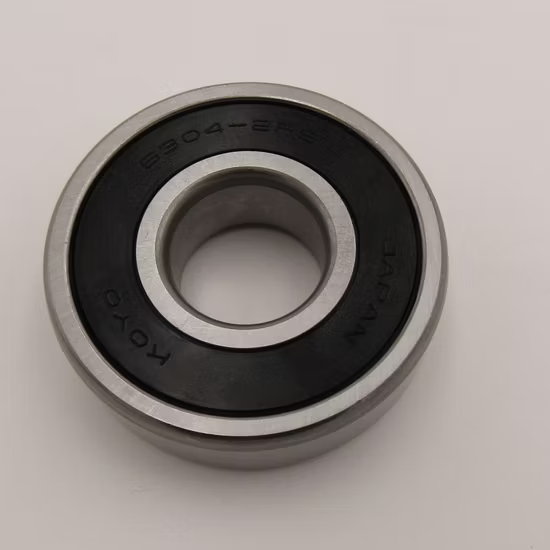
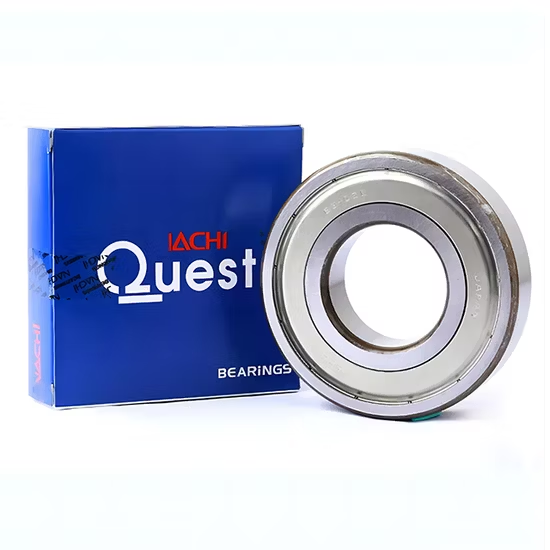


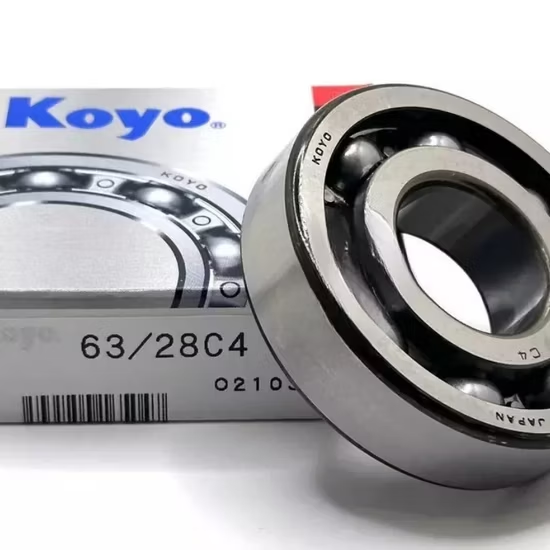
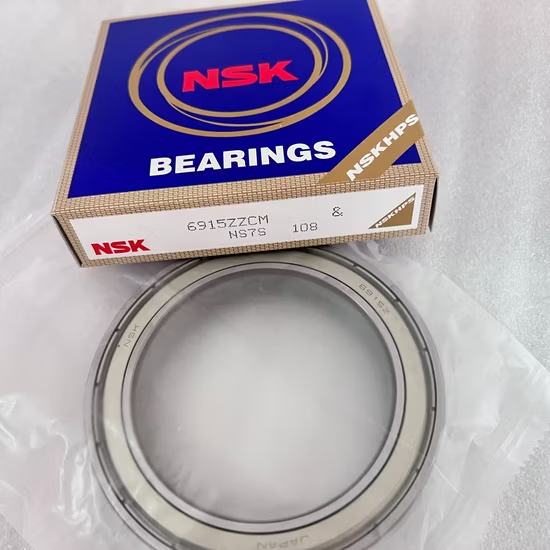
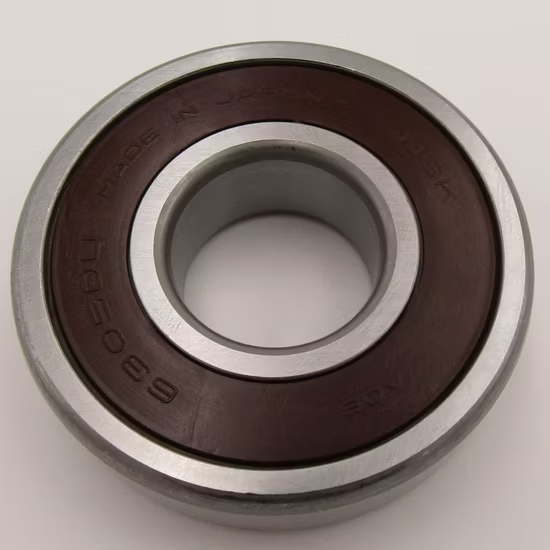
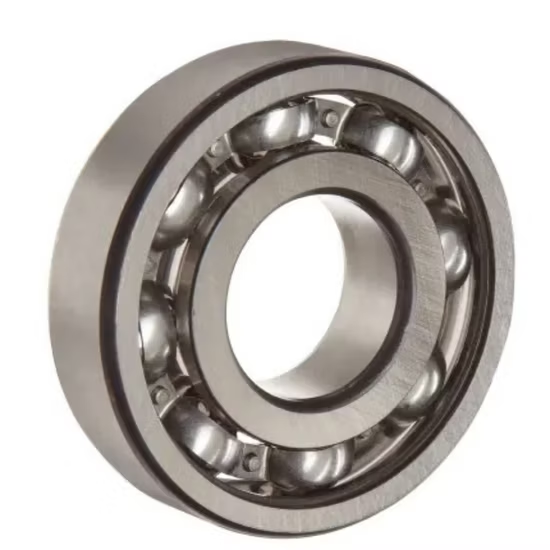
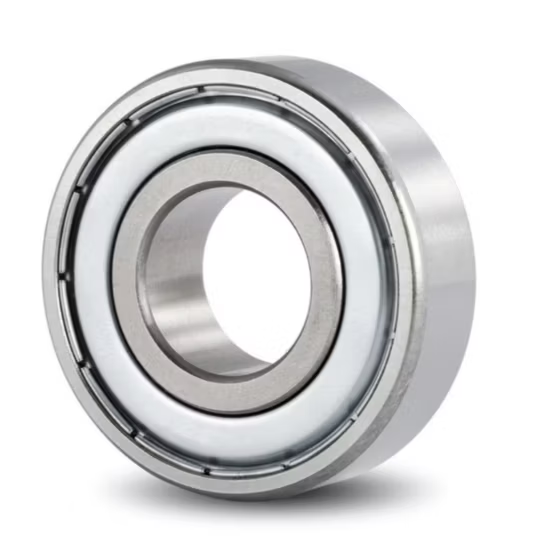
623 624 625 626 627 628 629 Deep Groove Ball Bearings — available in open, rubber seal, and iron shield configurations to match specific friction and contamination requirements.
Cross-Reference Suffix Alignment — Every 623 624 625 626 627 628 629 deep groove ball bearing is cross-referenced against internal clearance, cage material, and precision suffixes, preventing dangerous base-number-only mismatches.
| Parameter | Value |
|---|---|
| Designation | 623 624 625 626 627 628 629 |
| Bearing Type | Deep Groove Ball Bearing |
| Seal or Shield Type | Open, Rubber Seals, Iron Shields |
| Quality Level | Z1V1, Z2V2, Z3V3, Z4V4 |
| Feature | Low Noise, High Speed, Long Service Life |
| Origin | Germany, Japan, Sweden, Malaysia, China |
| Customization | Available |
| Industry | Typical Applications |
|---|---|
| Electric Motors | High-speed rotor supports, cooling fan motor shafts |
| Pumps | Miniature fluid transfer impeller shafts, drain pump rotors |
| Conveyors | Lightweight sorting belt guide rollers, small idler ends |
| Gearboxes | Precision instrument drives, small reduction gear shafts |
| Household Appliances | Vacuum cleaner motor shafts, small appliance spindle supports |
Matching the base designation without verifying the seal type and internal clearance guarantees premature failure in continuous-duty motors.
Early in my career in the Pearl River Delta, I witnessed a batch of 623 bearings fail catastrophically in a dusty manufacturing plant simply because the purchasing team ignored the suffix. They ordered open variants instead of rubber-sealed ones, allowing fine particulates to destroy the raceways within weeks. When sourcing a 623 624 625 626 627 628 629 deep groove ball bearing, assuming standard clearance or default seals will lead to thermal binding or rapid cage degradation . Procurement engineers must look beyond the base number to ensure the exact sealing configuration and noise grade align with the specific operating environment.
Selecting the correct seal configuration is critical for maintaining lubrication and excluding contaminants. Open designs suit enclosed gearboxes with external oil bath lubrication, while iron shields offer low-friction protection for high-speed electric motors where dust is minimal. Rubber seals provide superior exclusion for household appliances and conveyors operating in humid or particulate-heavy areas. Our technical review ensures the selected 623 624 625 626 627 628 629 deep groove ball bearing features the exact sealing geometry required to prevent friction overheating or dust intrusion.
Miniature bearings in electric motors and pumps face extreme rotational speeds that amplify minor internal imperfections. High-speed operation generates friction heat, which can eliminate internal clearance if a standard CN class is installed where thermal expansion demands a C3 clearance. Furthermore, the Z1V1 through Z4V4 quality levels dictate the acceptable noise and vibration thresholds for precision appliance spindles. Selecting the wrong vibration grade or ignoring thermal expansion limits directly compromises the bearing's operational lifespan .
The Z1V1 to Z4V4 quality levels define the strictness of noise and vibration testing, with Z4V4 reserved for ultra-quiet household appliance motors and precision instrument drives. Equally important is the internal clearance class; while CN is standard, high-speed pump shafts often require C3 clearance to accommodate thermal expansion during continuous duty cycles. Understanding these suffix variations ensures the deep groove ball bearing operates smoothly without thermal binding or excessive acoustic emissions under load.
Installing a standard clearance bearing in a high-speed motor leads to thermal binding, causing the cage to fracture and resulting in unplanned downtime. Using an open bearing in a dusty conveyor environment allows abrasive particles to mix with the grease, accelerating raceway wear and causing catastrophic equipment damage. These failures void warranties and force expensive emergency replacements, highlighting why strict adherence to ISO 281 life calculation principles and correct suffix matching is non-negotiable .
We prevent cross-reference errors by verifying clearance, cage material, and precision suffixes, ensuring a replacement matches the OEM equipment requirements exactly. Our authorized multi-brand channels allow you to consolidate mixed-brand orders for these miniature series without coordinating multiple suppliers. Every batch includes full traceability, allowing you to verify authenticity via official brand apps and eliminate the risk of cloned counterfeits with soft inner rings. We provide application-based selection reviews to confirm that the chosen seal type and noise grade perfectly match your specific motor or pump operating conditions.
To ensure accurate selection and L10 life verification, please provide the specific radial and axial loads, operating speeds, and ambient temperatures of your application. If you are replacing existing components, sharing the exact OEM equipment number or the full designation including all suffixes allows our engineering team to perform a precise cross-reference check. Detailing the environmental exposure, such as dust or moisture levels, helps us confirm the optimal seal type and clearance class for your machinery.
Q: How do I verify the authenticity of these miniature bearings?
A: We supply genuine products with full batch traceability. You can verify authenticity by scanning the packaging QR code using the manufacturer's official mobile application. This process confirms the production origin and rules out sophisticated counterfeits that use cloned codes and soft inner rings, ensuring your equipment receives only certified components.
Q: Why must clearance and precision suffixes be matched during cross-referencing?
A: Matching only the base number ignores critical internal geometry. Installing a standard clearance where a C3 is required for thermal expansion causes binding at high speeds. Similarly, using a standard precision grade in a Z4V4-required appliance motor generates excessive vibration. Exact suffix alignment prevents these premature field failures.
Q: What is the difference between Z1V1 and Z4V4 quality levels?
A: These designations indicate the strictness of noise and vibration testing. Z1V1 represents standard commercial grades suitable for general industrial gearboxes, while Z4V4 denotes ultra-quiet, highly refined bearings required for precision instrument drives and household appliance motors where acoustic emissions must be strictly minimized.
Q: How do I choose between rubber seals and iron shields?
A: Iron shields provide low-friction, non-contact protection ideal for high-speed electric motors where dust exposure is minimal. Rubber seals offer contact sealing that provides superior exclusion of moisture and fine particulates, making them essential for conveyors, pumps, and appliances operating in harsh or contaminated environments.
Our 5-step process ensures every order is engineered, validated, and supported for optimal performance.
Technical needs assessment
Custom specifications
Free samples for $50k+
Pre-shipment inspection
On-site & predictive
Our certified engineers respond within 24 hours with detailed technical specifications, pricing, and lead time information.