01
Consultation
Technical needs assessment



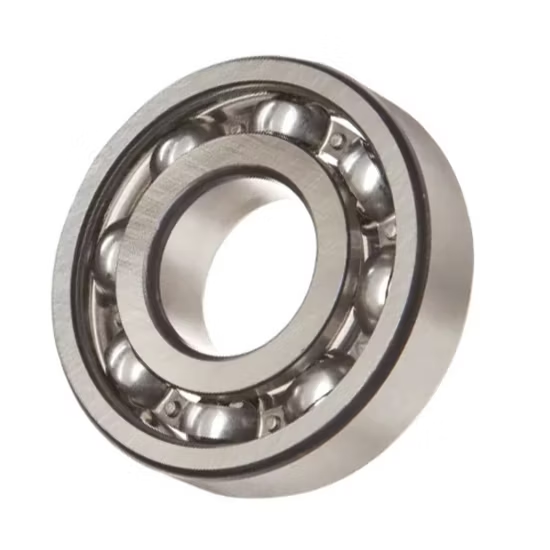
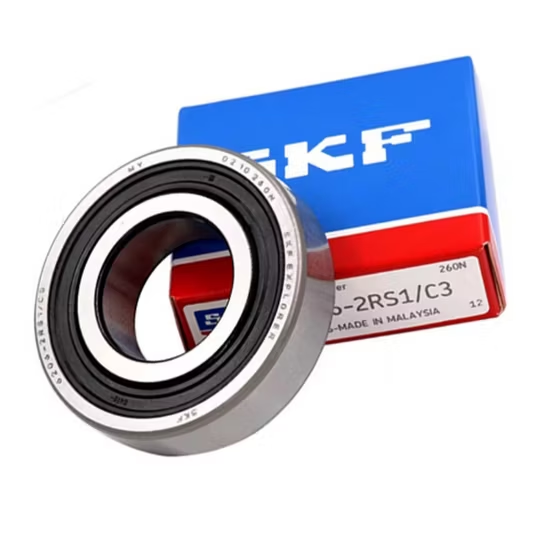
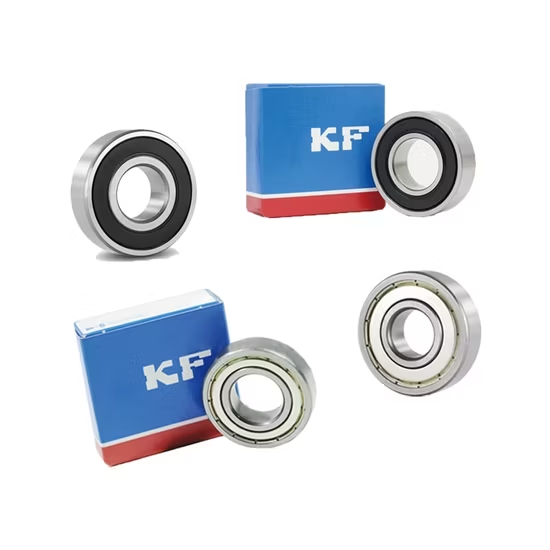
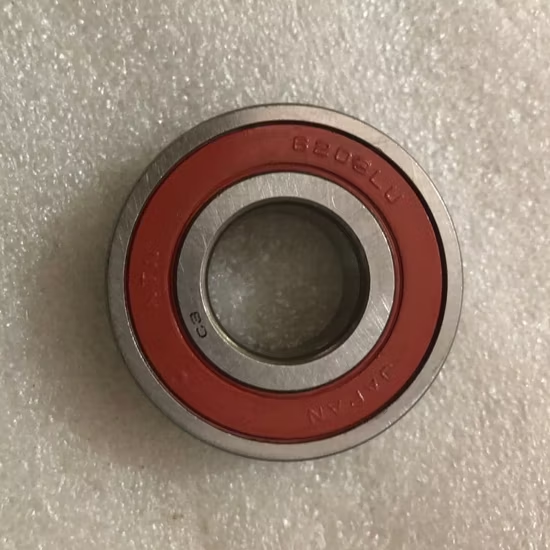
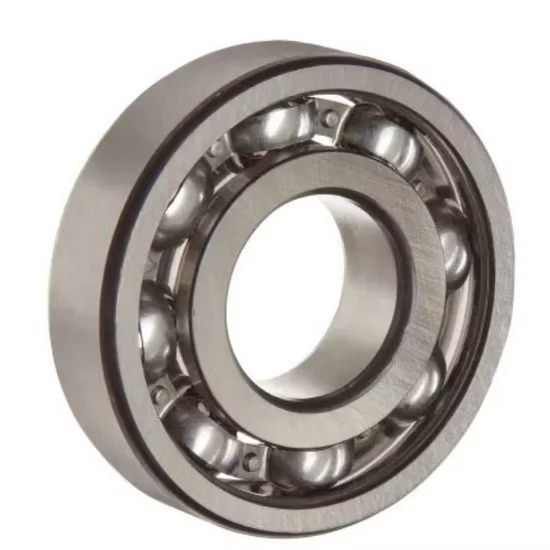
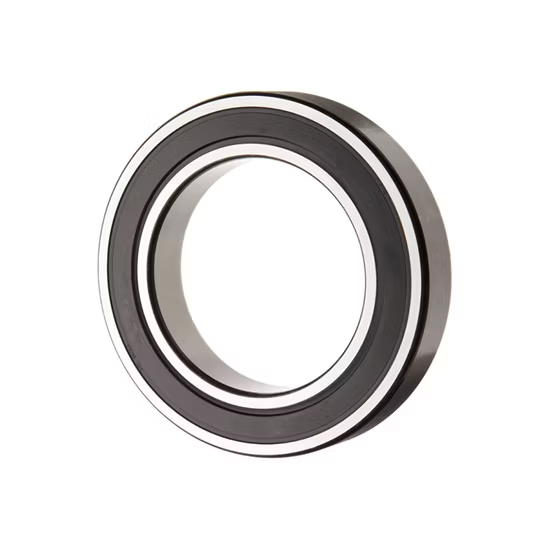
6203 Deep Groove Ball Bearing — offered in open, rubber, and iron seal variants with Z1V1 to Z4V4 vibration grades for automotive and motor use.
Multi-brand authorized coverage — consolidate your SKF, FAG, and NSK requirements for this specific deep groove ball configuration into a single, fully traceable purchase order without juggling multiple suppliers.
| Parameter | Value |
|---|---|
| Designation | 6203 |
| Bearing Type | Deep Groove Ball Bearing |
| Seal or Shield Type | Open, Rubber Seals, Iron Seals |
| Noise and Vibration Level | Z1V1, Z2V2, Z3V3, Z4V4 |
| Material | Standard bearing steel, available in stainless steel variants |
| Certification | ISO 9001 compliant manufacturing |
| Origin | Manufacturer's production facilities |
| Industry | Typical Applications |
|---|---|
| Automotive Manufacturing | Alternator pulleys, tensioner assemblies, and steering column shafts |
| Electric Motor Production | Small to medium AC/DC motor rotor shafts and cooling fan hubs |
| Industrial Gearboxes | High-speed input shafts and intermediate gear support journals |
A matching base designation does not guarantee operational survival if the sealing friction or vibration grade is mismatched to the actual thermal environment.
Procurement teams frequently order the standard 6203 deep groove ball bearing based solely on the four-digit code, ignoring the critical seal and vibration suffixes. In our workshop days, we saw countless units fail prematurely because an iron-shielded variant was forced into a high-moisture automotive application, or a Z1V1 grade was installed in a precision medical motor requiring Z4V4 quietness. These specification oversights lead to rapid grease degradation and catastrophic cage failure .
Selecting the correct 6203 deep groove ball bearing requires aligning the seal type and noise level with your specific contamination and acoustic constraints. Open variants suit clean, oil-lubricated gearboxes, while rubber seals provide vital moisture exclusion for automotive exterior components. We cross-reference your exact OEM requirements to ensure the internal friction and acoustic profile match the original design intent.
Electric motors and automotive assemblies subject components to fluctuating temperatures and invasive particulates. Rubber seals offer superior exclusion of dust and moisture but introduce higher rotational friction, which can elevate internal temperatures during continuous high-speed operation. Conversely, iron shields minimize friction and heat generation but allow fine particulate ingress over time. Selecting the appropriate Z-series vibration grade ensures that the internal geometry tolerances can handle the dynamic loads without generating excessive acoustic noise .
The available seal options dictate the maintenance lifecycle and environmental resilience of the unit. Rubber seals create a physical barrier against liquid contaminants, making them indispensable for washdown environments or automotive under-hood applications. Iron shields maintain a narrow air gap, reducing friction and making them ideal for high-speed electric motors where heat dissipation is critical. Furthermore, the Z1V1 through Z4V4 noise and vibration classifications reflect stringent internal geometric tolerances; higher grades guarantee smoother raceway finishes and precise ball sizing, effectively eliminating the harmonic resonance that plagues lower-grade alternatives in sensitive electronic equipment.
Installing a standard iron-shielded unit in a high-humidity environment inevitably leads to internal corrosion and raceway spalling. Similarly, ignoring vibration grades in precision motors results in excessive shaft vibration, accelerating the wear of adjacent seals and bearings. According to ISO 281 frameworks, these misalignments drastically reduce the calculated fatigue life, leading to unplanned downtime, voided equipment warranties, and expensive secondary damage to the motor housing or gearbox shafts .
We do not just ship boxes; we verify that the 6203 deep groove ball bearing you receive matches your exact application parameters. Our cross-reference review ensures that the seal friction and acoustic grade align with your OEM specifications, preventing the common trap of accepting a base-number match that fails in the field. Every batch is strictly traced to the manufacturer, eliminating the risk of soft inner rings and cloned QR codes that plague the open market.
To ensure optimal performance, provide our engineering team with your specific radial and axial loads, operating speeds, and ambient temperature ranges. Sharing your OEM equipment numbers allows us to perform a precise cross-reference check, verifying that the selected seal type and vibration grade perfectly match your original design requirements.
Q: How do I choose between rubber seals and iron shields for this application?
A: Iron shields minimize friction and heat, making them ideal for high-speed, clean environments like electric motors. Rubber seals provide superior protection against moisture and dust but generate slightly more friction. Select based on your specific contamination risk and speed requirements.
Q: What do the Z1V1 to Z4V4 noise and vibration levels indicate?
A: These grades reflect the internal geometric precision and surface finish of the bearing. Higher grades like Z4V4 indicate extremely tight tolerances and smooth raceways, which are essential for quiet operation in precision motors and sensitive automotive electronics.
Q: Why is it critical to match the exact seal type during cross-brand interchange?
A: Different manufacturers use varying seal lip designs and materials. A mismatched seal can cause excessive friction, leading to overheating, or fail to exclude contaminants, resulting in premature grease degradation and catastrophic failure of the unit.
Q: How can I verify the authenticity and batch traceability of the supplied units?
A: We provide comprehensive batch traceability documentation and enable QR verification through official brand applications. This allows you to scan the packaging and confirm the manufacturing origin, eliminating the risk of counterfeit products with compromised metallurgy.
Our 5-step process ensures every order is engineered, validated, and supported for optimal performance.
Technical needs assessment
Custom specifications
Free samples for $50k+
Pre-shipment inspection
On-site & predictive
Our certified engineers respond within 24 hours with detailed technical specifications, pricing, and lead time information.