01
Consultation
Technical needs assessment

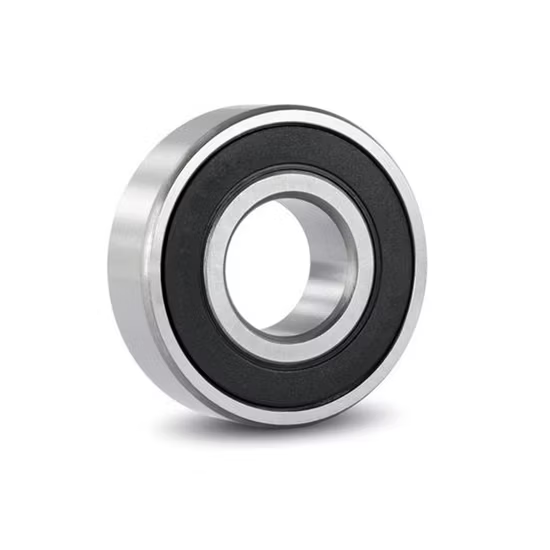
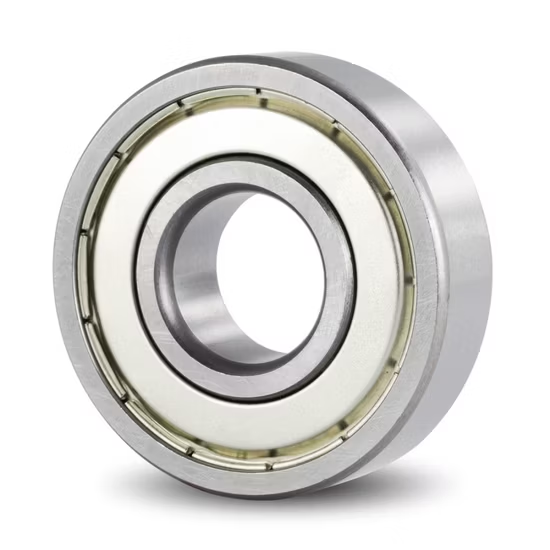
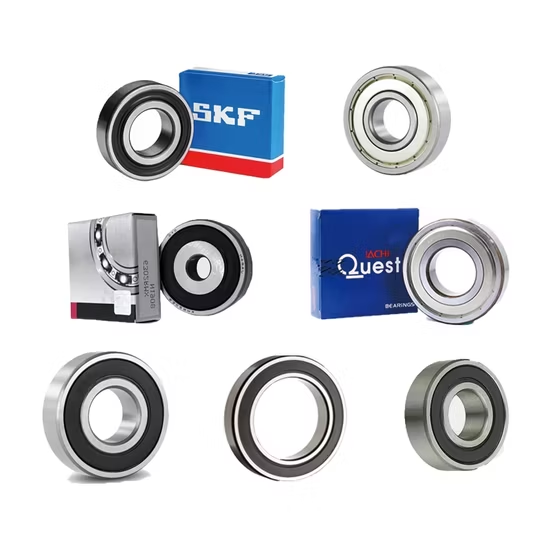
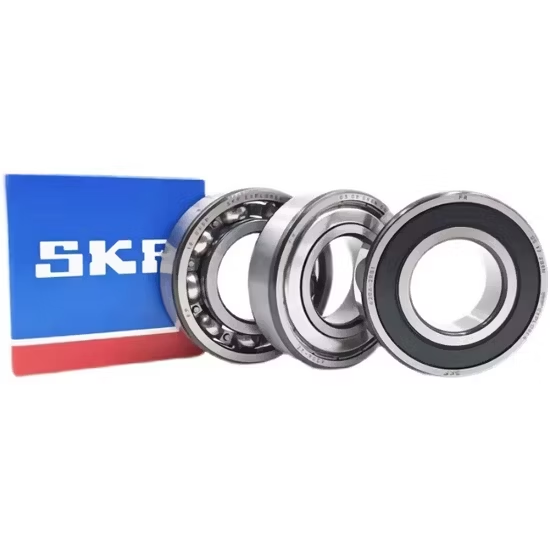


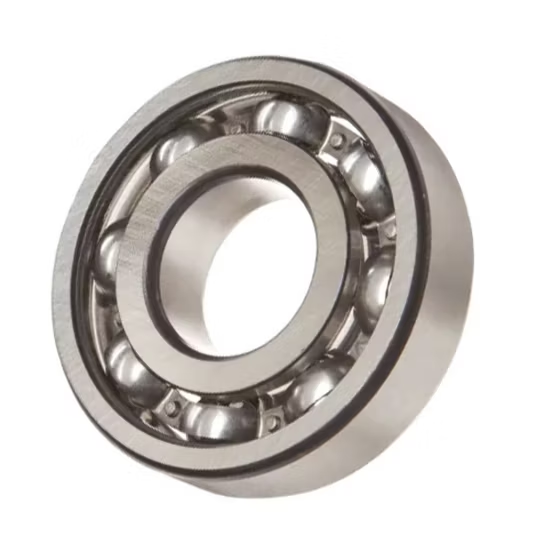
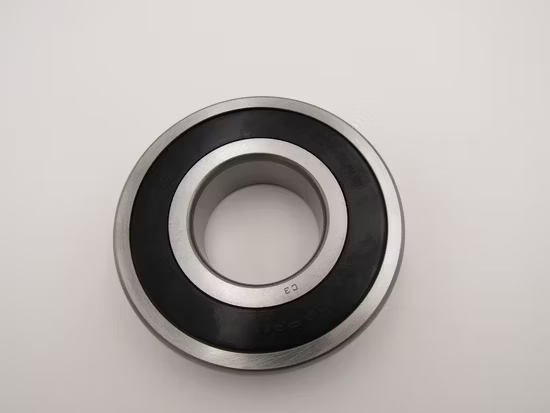
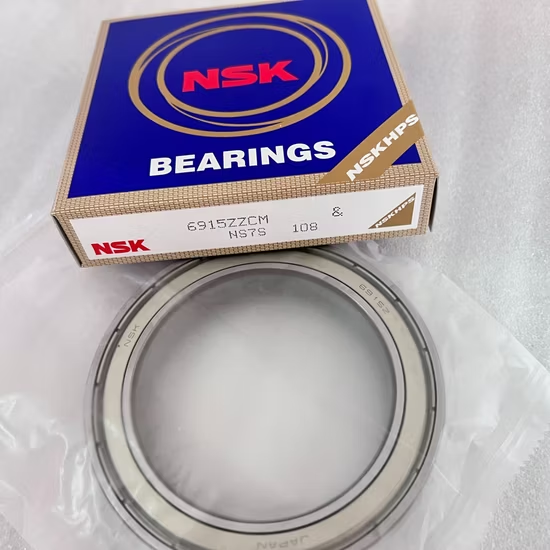
608 Deep Groove Ball Bearing — deep groove raceway geometry supports radial loads and moderate axial loads in both directions. Available in multiple sealing configurations to match specific contamination and friction requirements.
Cross-reference triple alignment — verifying base number, seal configuration, and material variant to prevent field failures in light-duty motors.
| Parameter | Value |
|---|---|
| Designation | 608 |
| Bearing Type | Deep Groove Ball Bearing |
| Structure | Deep Groove |
| Seal or Shield Type | Zz, 2RS, Open |
| Material | Available in Gcr15 bearing steel or POM plastic variants |
| Origin | Shanghai |
| Industry | Typical Applications |
|---|---|
| Home Appliances | Washing machine drum supports, blender motor shafts |
| Light-Duty Electric Motors | Small cooling fans, household ventilation units |
| Material Handling | Lightweight conveyor rollers, automated sorting gates |
Selecting the correct material and seal configuration prevents catastrophic cage deformation in humid environments.
Sourcing a standard steel variant for a high-moisture appliance often leads to*ement teams overlook the seal suffix, resulting in contaminated raceways that destroy the rolling elements. Matching the exact operational environment to the component's physical properties is the only way to avoid these silent killers.
Ensuring operational longevity requires aligning the specific variant with the equipment's physical demands. When sourcing a 608 deep groove ball bearing, evaluating the exact moisture exposure and load profile dictates whether a polymer or steel construction is appropriate. Our technical review process cross-checks these operational parameters against the manufacturer's specification sheets to guarantee optimal field performance.
Light-duty motors and household appliances frequently operate in environments with fluctuating humidity and airborne particulates. An open or shielded design might reduce friction, but it leaves the raceway vulnerable to moisture-induced degradation. Choosing a contact seal improves contamination exclusion but increases rotational torque, which can affect the efficiency of small fractional horsepower motors. Furthermore, polymeric cages and rings can absorb ambient moisture, leading to dimensional swelling that ultimately jams the rolling elements.
The deep groove raceway geometry efficiently handles radial loads and moderate axial thrust in both directions. For the sealing arrangement, Zz shields offer non-contact protection ideal for high-speed, low-torque applications, while 2RS contact seals provide superior exclusion of dust and moisture at the cost of slightly higher friction. Regarding material, the component is available in Gcr15 bearing steel or POM plastic variants. The steel option delivers high load capacity and structural rigidity, whereas the POM plastic variant offers inherent corrosion resistance and quieter operation, making it specifically suited for damp appliance environments.
Installing a moisture-absorbing polymer in a high-load application or a standard steel bearing in a wet environment inevitably leads to unplanned downtime. Swollen cages cause severe friction, resulting in catastrophic damage to the shaft and housing. These premature failures void equipment warranties and force MRO teams into emergency procurement cycles, drastically increasing the total cost of ownership.
We eliminate the risk of receiving counterfeit components with soft inner rings by supplying exclusively through authorized distribution channels. Cross-reference errors often occur when buyers match the base number but ignore critical seal or material requirements; our engineering team verifies every suffix and variant against your specific application parameters. Every shipment includes strict batch traceability, ensuring you receive genuine products that meet exact dimensional tolerances. This comprehensive technical oversight prevents the costly installation of mismatched components in your critical machinery.
To ensure precise component matching, share your operational parameters including radial and axial loads, rotational speed, and ambient temperature. Providing the OEM equipment number allows our engineering team to perform a comprehensive cross-reference check, verifying that the selected seal and material variant perfectly align with your machinery's design requirements.
Q: How do I verify the authenticity of the received components?
A: Every shipment includes batch traceability documentation and a Certificate of Conformity. You can scan the QR codes on the packaging using the official brand applications to verify the origin. This process effectively filters out counterfeits with cloned codes and ensures the internal geometry meets genuine manufacturing standards.
Q: What cross-reference checks are necessary beyond the base 608 designation?
A: Matching the base number is insufficient; you must verify the seal type, clearance class, and material variant. A standard steel bearing will fail in a wet environment where a polymer variant is required. Our technical team reviews these specific suffixes to ensure the component matches the exact thermal and contamination demands of your application.
Q: When should I choose Zz shields over 2RS contact seals?
A: Zz shields are ideal for high-speed, low-torque applications where minimizing friction is critical and contamination is minimal. Conversely, 2RS contact seals are necessary in environments with high dust or moisture, providing superior exclusion at the expense of slightly higher rotational torque. Selecting the wrong type leads to either rapid contamination or unnecessary energy loss.
Q: How do I resolve material discrepancies during the sourcing process?
A: Suppliers often list generic steel specs while the application requires a polymer variant. We resolve this by cross-referencing your specific operating environment against the manufacturer's material options. By explicitly confirming whether a Gcr15 steel or POM plastic variant is needed, we prevent the installation of moisture-absorbing components that would otherwise deform and seize.
Our 5-step process ensures every order is engineered, validated, and supported for optimal performance.
Technical needs assessment
Custom specifications
Free samples for $50k+
Pre-shipment inspection
On-site & predictive
Our certified engineers respond within 24 hours with detailed technical specifications, pricing, and lead time information.