01
Consultation
Technical needs assessment

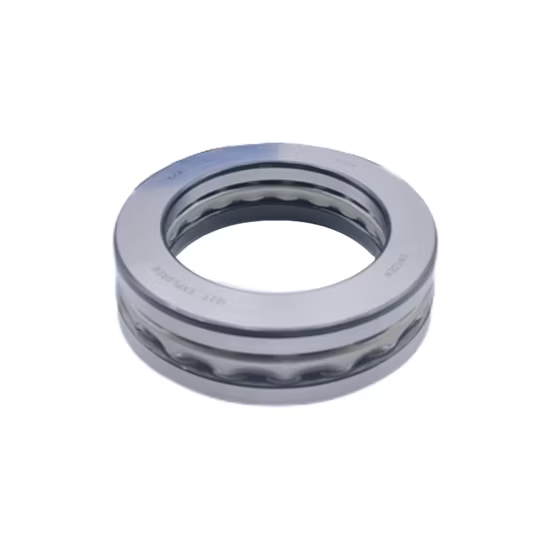
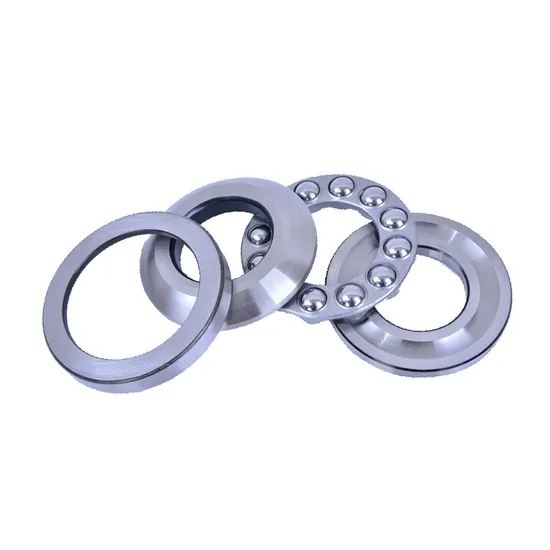
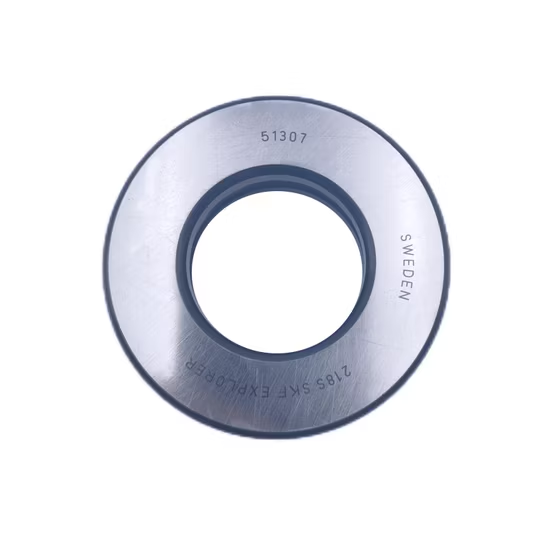
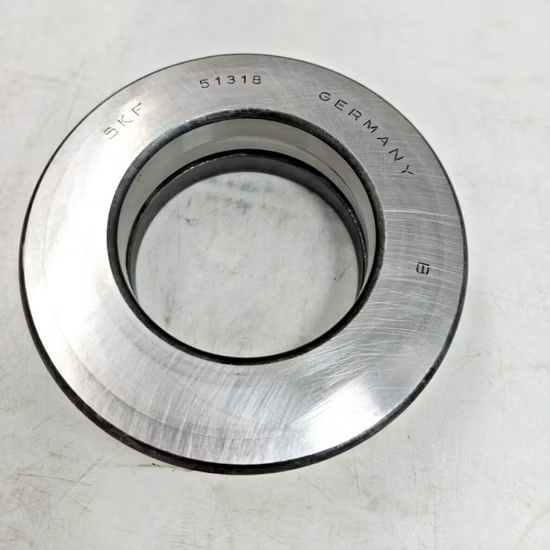


52213 Double Direction Thrust Ball Bearing — engineered to manage bidirectional axial loads in crane hooks and vertical water pumps, ensuring reliable shaft positioning under heavy lifting conditions.
Original Factory Batch Traceability — Every 52213 double direction thrust ball bearing we supply ships with verifiable lot documentation directly linked to the manufacturer's production records, ensuring complete supply chain transparency.
| Parameter | Value |
|---|---|
| Designation | 52213 |
| Bearing Type | Double Direction Thrust Ball Bearing |
| Applicable Equipment | Crane Hook, Vertical Water Pump |
| Origin Options | Germany, Japan, Sweden, Malaysia, China |
| HS Code | 8482104000 |
| Industry | Typical Applications |
|---|---|
| Material Handling | Crane hook thrust blocks and heavy-duty lifting swivels |
| Fluid Machinery | Vertical water pump shaft support and axial load management |
Matching the base number without verifying internal clearances and cage materials guarantees premature axial failure under heavy lifting cycles.
When sourcing a 52213 double direction thrust ball bearing, purchasing teams often focus solely on the base designation, overlooking critical suffix variations that dictate operational survival. In heavy lifting and vertical pumping, a slight mismatch in cage material or clearance class leads to rapid thermal binding. I have seen crane hooks drop unexpectedly in Latin American ports because a replacement bearing matched the basic number but utilized a pressed steel cage instead of the required machined brass variant, causing catastrophic cage fragmentation under shock loads .
The 52213 double direction thrust ball bearing is engineered specifically to manage severe bidirectional axial forces without radial support. In crane hooks, the bearing must absorb sudden dynamic shocks when loads are lifted off the ground, requiring high-impact resistance. For vertical water pumps, the continuous downward thrust of the impeller demands stable axial positioning over long operational shifts. We review your specific load profiles to ensure the selected variant provides the exact contact geometry and load distribution needed for your machinery.
Vertical installations introduce unique thermal and lubrication challenges that dictate clearance and seal selections. As pump shafts heat up during operation, thermal expansion reduces internal axial clearance; installing a standard clearance bearing where a C3 or C4 is required will result in preload binding and immediate overheating. Furthermore, vertical orientations complicate grease retention and oil splash lubrication, making the choice between open designs with external oil baths or sealed variants critical for preventing contaminant ingress while managing internal friction .
The operational ceiling of this bearing is defined by its cage design and precision class. Machined brass cages are mandatory for crane hooks to withstand high vibration and shock loads, whereas pressed steel cages might suffice for lighter, steady-state pump applications. Precision grades dictate the running accuracy of the shaft; while standard P0 is acceptable for general lifting, high-speed vertical pumps often require P6 or P5 tolerances to minimize axial runout and prevent seal wear. Selecting the correct combination prevents the microscopic misalignments that accelerate fatigue.
Installing an improperly specified thrust bearing rarely results in a simple, planned replacement. It triggers unplanned downtime, collateral damage to adjacent shaft seals, and potential catastrophic failure of the entire lifting or pumping assembly. According to ISO 15243 frameworks, fatigue and wear from incorrect internal geometry often manifest as spalling on the shaft washers, voiding equipment warranties and escalating repair costs far beyond the initial component price .
We eliminate the guesswork from cross-brand interchange by verifying three critical alignment points: base designation, internal clearance, and cage material. When substituting equivalents for the 52213, 52313, or 52314, we ensure the replacement matches the exact thermal and mechanical requirements of your application. Our multi-brand authorization allows you to consolidate SKF, FAG, NSK, and NTN requirements into a single, fully documented shipment, backed by application-based selection reviews that protect your machinery from field failures.
To ensure precise model selection and cross-reference validation, please provide the specific radial and axial load values, operational speeds, and ambient temperature ranges of your equipment. Sharing the OEM part numbers or existing equipment designations allows our engineering team to verify dimensional interchangeability and confirm the required clearance class for your specific crane or pump application.
Q: How do I verify the authenticity and batch information of the 52213 bearing?
A: Every unit we supply features a unique traceability code. You can scan this code using the manufacturer's official mobile application to instantly verify its authenticity, view the original production date, and confirm the specific manufacturing facility, ensuring complete protection against counterfeit components with cloned markings.
Q: What are the dimensional and load differences between the 52213, 52313, and 52314?
A: While they belong to the same double direction thrust ball bearing family, they differ significantly in outer diameter, width, and dynamic load ratings. Substituting a 52313 or 52314 based solely on bore size will result in housing interference or inadequate load capacity. Always verify the exact envelope dimensions and application requirements before accepting a cross-reference.
Q: How should I select the correct cage material for crane hook applications?
A: Crane hooks experience severe shock loads and high vibrations during lifting operations. Machined brass cages are strongly recommended for these conditions due to their superior strength and damping characteristics. Pressed steel cages, while cost-effective, are generally unsuitable for the heavy impact forces inherent in material handling and hoisting environments.
Q: How do I ensure compliance with customs when importing these bearings?
A: We provide comprehensive country-of-origin documentation and accurate HS Code classifications with every shipment. This ensures that your procurement team has all necessary legal and trade compliance documents required for smooth customs clearance, avoiding delays at the port and ensuring your maintenance schedules remain uninterrupted.
Q: What is the correct procedure for controlling preload during installation?
A: Double direction thrust bearings require precise axial adjustment to eliminate excessive play without inducing destructive preload. During installation, use calibrated torque wrenches on the locknut and measure the starting torque or shaft end-play to ensure the internal clearance matches the operational thermal expansion requirements of your specific vertical pump or crane mechanism.
Our 5-step process ensures every order is engineered, validated, and supported for optimal performance.
Technical needs assessment
Custom specifications
Free samples for $50k+
Pre-shipment inspection
On-site & predictive
Our certified engineers respond within 24 hours with detailed technical specifications, pricing, and lead time information.