01
Consultation
Technical needs assessment

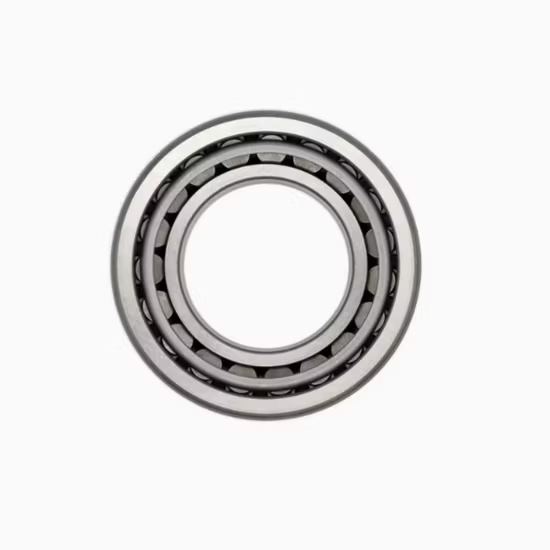
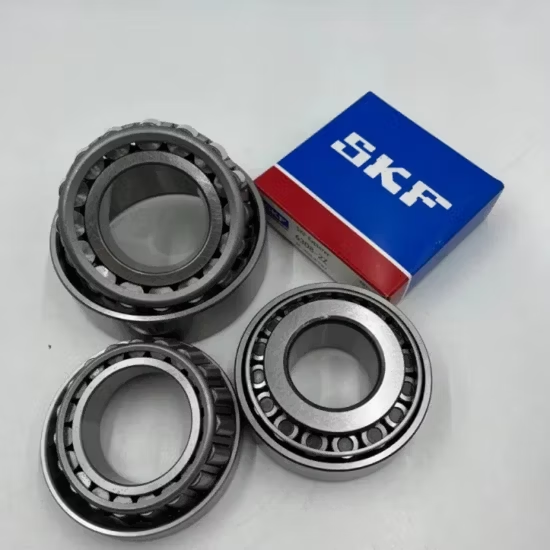
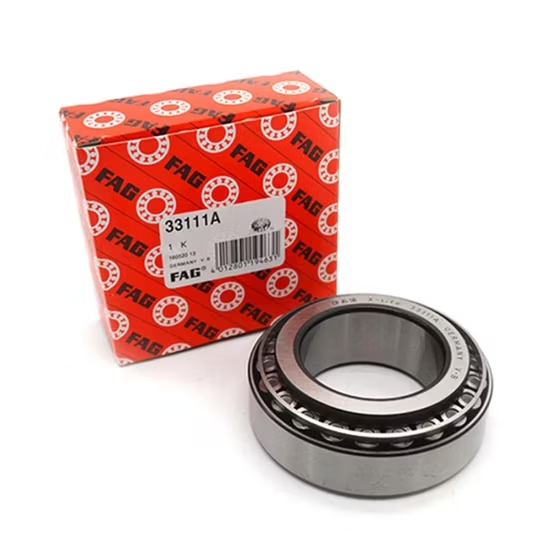
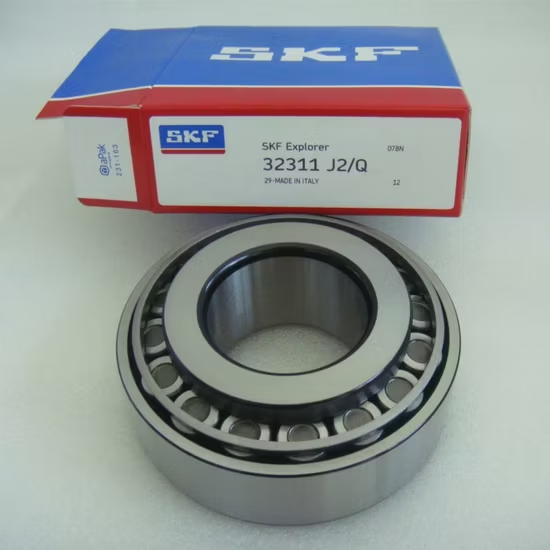
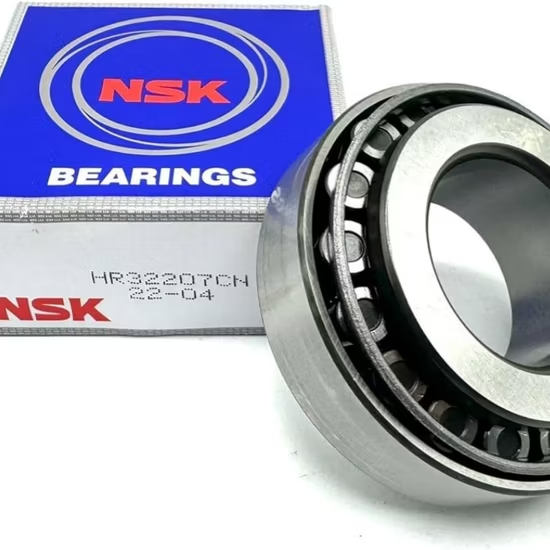
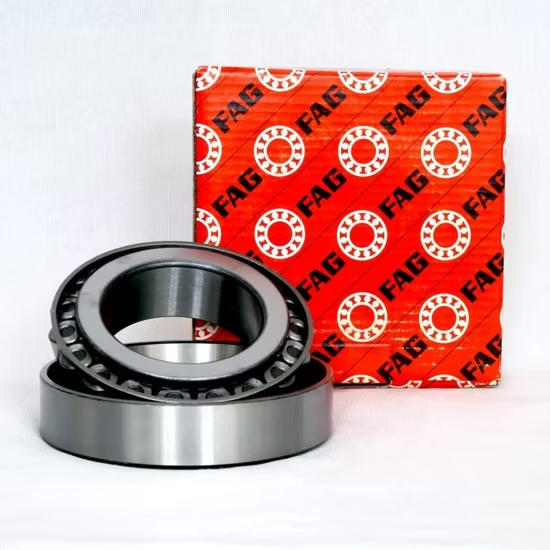
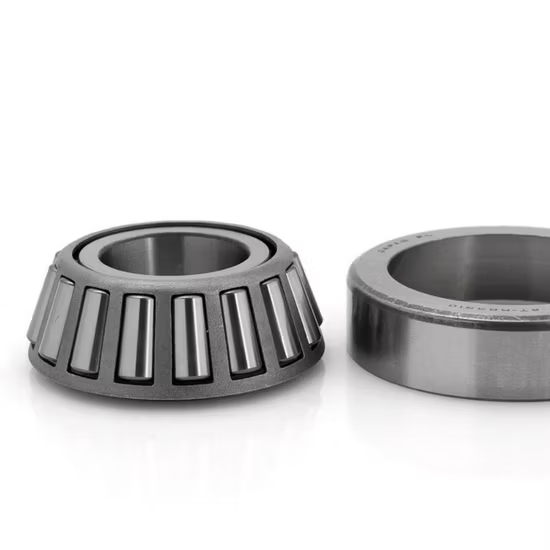
33118 33119 Tapered Roller Bearing P4 — Single row design with Gcr15 steel construction for high contact fatigue strength.
Full Batch Traceability — every 33118 33119 tapered roller bearing ships with manufacturer lot records and QR codes for direct verification.
| Parameter | Value |
|---|---|
| Designation | 33118 33119 |
| Bearing Type | Tapered Roller Bearing |
| Number of Rows | Single Row |
| Precision Class | P4 |
| Material | Gcr15 Bearing Steel |
| Cage Material Options | Nylon / Brass / Iron |
| Origin Options | Germany / Japan / Sweden / Malaysia / China |
| Industry | Typical Applications |
|---|---|
| Automotive & Heavy Vehicles | Wheel hubs, truck axles, steering knuckles |
| Industrial Manufacturing | Gearbox shafts, conveyor drive pulleys, crusher pinions |
| Marine & General Machinery | Propulsion shafts, winch drums, heavy-duty hoists |
Matching the basic designation is only the first step; ignoring internal geometry and cage selection leads to rapid thermal failure.
In heavy-duty environments, procurement teams often focus solely on the base number, assuming any matching part will perform equally. However, substituting a standard clearance unit where thermal expansion demands a looser internal fit routinely causes the inner ring to overheat and seize under load. I have seen this exact scenario on mining sites where a standard clearance replacement was pressed into a high-friction hub, resulting in the inner ring turning blue from extreme heat before the machine even completed its first shift. Sourcing a genuine 33118 33119 tapered roller bearing requires verifying that the internal design, precision class, and cage material align perfectly with the specific thermal and mechanical demands of the equipment .
Upgrading to P4 precision for these single-row units significantly reduces radial and axial runout, which is critical for maintaining gear mesh alignment in industrial gearboxes. When sourcing a 33118 33119 tapered roller bearing for high-speed pinion shafts, this tighter tolerance prevents edge-loading on the roller ends. Our technical review process ensures the selected precision grade matches the OEM spindle or shaft requirements, preventing premature wear on adjacent sealing surfaces.
Truck axles and crusher drive shafts subject these components to severe combined loading, where heavy radial weights intersect with sudden axial thrusts during direction changes or braking. The resulting friction generates substantial heat, which reduces lubricant viscosity and alters the internal operating clearance. If the initial clearance is too tight, thermal expansion will eliminate the internal gap, leading to catastrophic skidding. Proper lubrication intervals and selecting a cage material that can withstand localized temperature spikes are essential to maintain a stable hydrodynamic oil film .
The use of Gcr15 bearing steel provides the high contact fatigue strength necessary to withstand the concentrated line contact between the rollers and raceways. For the cage assembly, the available options dictate the operational limits. Nylon cages offer excellent friction reduction and are ideal for moderate temperatures, while brass cages provide superior durability and heat dissipation for heavy shock loads. Iron cages serve as a cost-effective alternative for standard industrial applications. Selecting the correct cage material from these options ensures the assembly survives the specific vibration and speed profile of the machinery.
Relying on superficial cross-references that ignore internal design nuances frequently results in unplanned downtime and catastrophic damage to surrounding housings. When a replacement unit fails to match the original load distribution geometry, the localized stress exceeds the fatigue limit of the steel, initiating subsurface cracking as outlined in ISO 15243 failure mode classifications. This not only destroys the bearing but often scores the shaft and ruins expensive seals, turning a simple maintenance task into a major rebuild project .
Our cross-reference protocol goes beyond matching the base number; we verify the exact precision class and cage material to prevent the thermal binding issues common in heavy axles. We maintain authorized distribution channels across major global brands, ensuring that every unit ordered is backed by verifiable manufacturer documentation. By reviewing the specific load and speed parameters of your application, we prevent the costly mistake of installing a standard unit where a high-precision or specific-cage variant is required. This technical alignment guarantees the replacement integrates flawlessly into your existing maintenance schedule.
To ensure the selected unit meets your operational demands, please provide the specific radial and axial load values alongside the maximum operating speed and temperature range. Sharing the OEM equipment number or the exact shaft and housing dimensions allows our engineering team to perform a comprehensive cross-reference check. This data enables us to calculate the expected L10 life and recommend the optimal cage material and clearance configuration for your specific machinery.
Q: How do I verify the authenticity of the received units?
A: Each unit includes batch traceability documentation and a QR code that can be scanned using the manufacturer's official mobile application. This digital verification confirms the origin and production details, protecting your operation from counterfeit parts that often feature soft inner rings and cloned packaging.
Q: Why is cross-referencing more than just matching the base number?
A: Matching only the base number ignores critical internal differences like cage material and precision class. A unit with a nylon cage might fail in a high-temperature gearbox where a brass cage is required. We verify these internal specifications to ensure the replacement handles your specific thermal and mechanical loads.
Q: What is the practical difference between P4 and standard precision here?
A: P4 precision offers significantly tighter dimensional and running accuracy compared to standard P0 grades. In applications like industrial gearboxes or wheel hubs, this reduced runout minimizes vibration, prevents edge-loading on the rollers, and extends the operational life of both the bearing and the adjacent seals.
Q: How do I choose between nylon, brass, and iron cage options?
A: The choice depends on your operating temperature and load profile. Nylon cages reduce friction and are excellent for moderate conditions, while brass cages offer superior strength and heat dissipation for heavy shock loads. Iron cages provide a reliable, cost-effective solution for standard, less demanding industrial machinery applications.
Our 5-step process ensures every order is engineered, validated, and supported for optimal performance.
Technical needs assessment
Custom specifications
Free samples for $50k+
Pre-shipment inspection
On-site & predictive
Our certified engineers respond within 24 hours with detailed technical specifications, pricing, and lead time information.