01
Consultation
Technical needs assessment

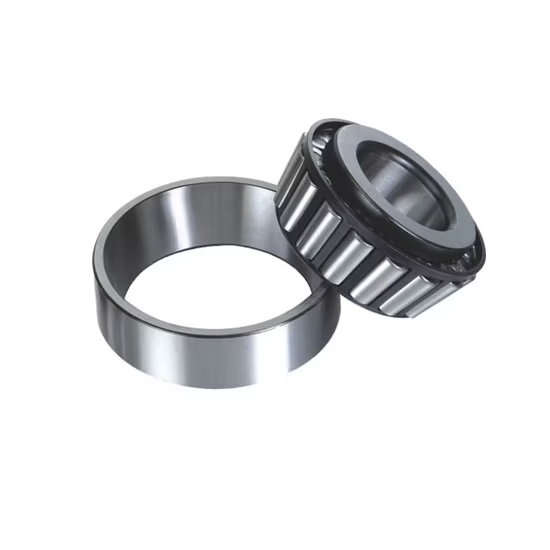
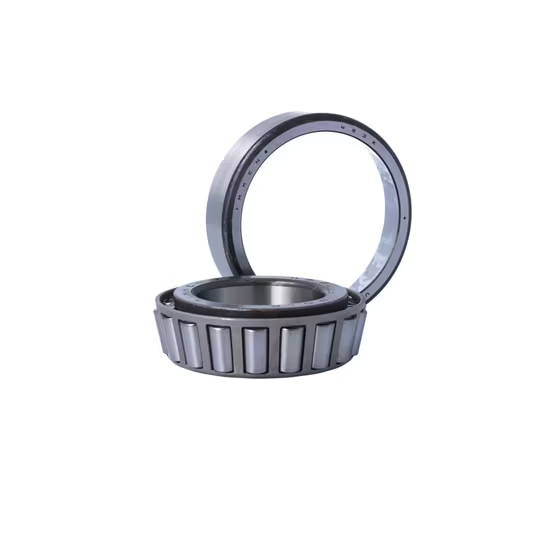

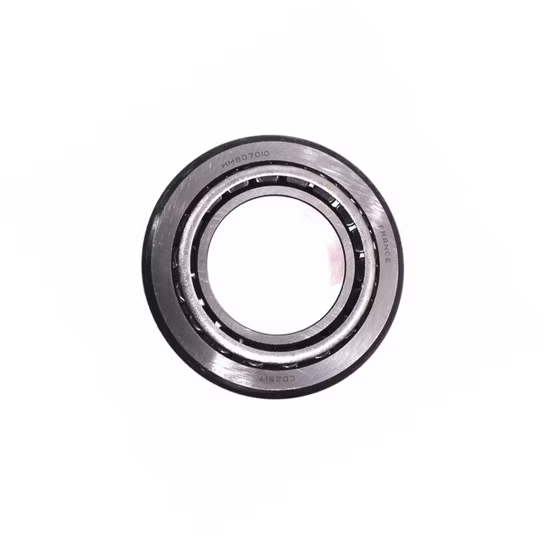

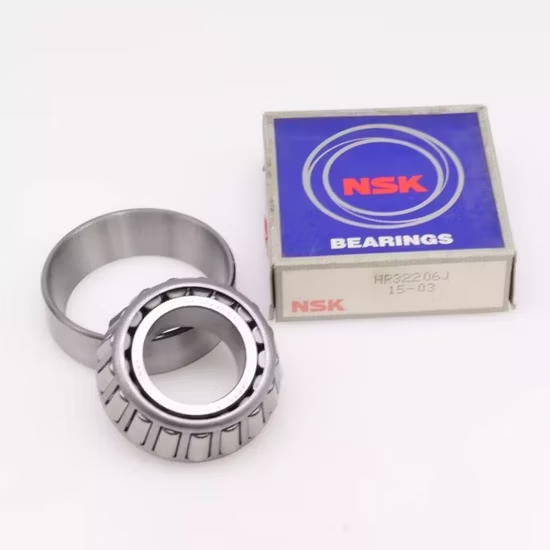
32924 32925 32926 Single Row Tapered Roller Bearing P4 — engineered with GCr15 steel to handle combined radial and axial loads in automotive hubs and gearboxes.
Verify authenticity instantly via official brand apps using the QR code on each traceable batch.
Traceable batch origins — Every 32924, 32925, and 32926 single row tapered roller bearing ships with manufacturer lot documentation for full supply chain visibility.
| Parameter | Value |
|---|---|
| Designation | 32924 32925 32926 |
| Bearing Type | Tapered Roller Bearing |
| Number of Rows | Single Row |
| Precision Class | P4 |
| Cage Material | Nylon / Brass / Iron (available options) |
| Material | GCr15 |
| Origin | Germany / Japan / Sweden / Malaysia / China |
| HS Code | 8482500090 |
| MOQ | 1 PCS |
| Industry | Typical Applications |
|---|---|
| Automotive and Heavy Vehicle Repair | Wheel hubs, truck axles, differential carriers |
| Industrial Gearboxes | Heavy-duty reduction gears, material handling conveyors |
| Manufacturing Plants | Press machines, rolling mill guides |
Matching the base number is never enough when internal clearance and cage materials dictate thermal survival.
In the Middle Eastern automotive aftermarket, I have witnessed countless 329-series tapered roller bearings suffer thermal binding simply because cross-reference checks ignored internal design variations. When a standard cage is mistakenly installed in a heavy-duty truck axle, the extreme operating temperatures cause the cage to shatter, leading to catastrophic drivetrain failure. Procurement teams often focus solely on the base designation, overlooking the fact that mismatched clearance or incorrect cage materials will inevitably trigger premature field failures under heavy combined loads .
The 32924 32925 32926 single row tapered roller bearing is engineered to manage the complex radial and unidirectional axial loads found in heavy vehicle axles and industrial gearboxes. By evaluating your specific load profiles and mounting arrangements, our engineering team ensures the selected internal geometry perfectly matches the application. This application-based selection review prevents the dangerous mismatch between the bearing's internal design and the equipment's actual operational requirements.
Heavy-duty truck axles and industrial gearboxes subject rolling elements to severe combined loads and significant heat generation. If the internal clearance is too tight, thermal expansion during operation eliminates the necessary running gap, resulting in destructive friction and eventual seizure. Proper lubrication intervals and selecting the correct cage material are critical to dissipating heat and maintaining structural integrity under continuous shock loading. Furthermore, precise mounting preload is essential to prevent roller skewing, which accelerates wear and compromises the entire assembly .
The P4 precision class provides noticeably tighter dimensional and running accuracy controls compared to standard grades, ensuring smoother rotation and reduced vibration in high-speed gearboxes. The use of GCr15 high-carbon chromium bearing steel guarantees exceptional wear resistance and fatigue strength within the core load zones. Depending on the specific operating environment, the cage is available in nylon, brass, or iron variants to optimize the balance between speed capability, load capacity, and vibration damping. This precise combination of materials and tolerances ensures the bearing maintains its geometric stability even under demanding thermal conditions.
Relying on superficial cross-referencing that matches only the base number frequently leads to unplanned downtime and catastrophic damage to surrounding machinery. When a replacement part lacks the correct internal clearance or features an incompatible cage design, the resulting thermal binding can destroy the axle housing or gearbox casing. Such premature failures not only void equipment warranties but also incur massive repair costs that far exceed the initial savings of a cheaper, incorrectly specified component. Adhering to failure analysis frameworks helps identify these root causes before they escalate into systemic operational disruptions .
We maintain authorized distribution coverage across all major international brands, allowing you to consolidate mixed-brand requirements into a single, verified order. For the 329-series, we strictly verify that the clearance, cage material, and precision suffixes align perfectly during cross-reference checks, eliminating the risk of thermal binding. Every shipment includes batch traceability to the manufacturer, supported by QR verification through official brand applications to expose soft inner rings and cloned codes. Our technical team provides comprehensive application-based selection reviews to ensure the chosen specifications withstand your specific load, speed, and temperature conditions.
To ensure optimal performance, please provide your specific radial and axial load calculations, operating speeds, and thermal profiles for a comprehensive L10 life review. If you are replacing existing components, sharing the exact OEM equipment numbers allows our technical team to perform a rigorous cross-reference check. This detailed data exchange guarantees that the internal geometry and material specifications perfectly align with your operational demands.
Q: Why do base-matching cross-references fail for 329-series bearings?
A: Base numbers only define the outer dimensions. Ignoring the internal clearance and cage material suffixes during cross-referencing often results in thermal binding or cage fragmentation under heavy loads. We verify all three parameters to ensure the replacement perfectly matches the original equipment's operational requirements.
Q: How does cage material affect heavy-duty axle performance?
A: The cage material dictates the bearing's ability to withstand vibration, shock loads, and high temperatures. While brass offers superior durability in harsh conditions, nylon provides excellent speed capabilities. Selecting the wrong variant for a truck axle can lead to rapid structural failure and catastrophic downtime.
Q: What is the correct mounting preload for these tapered roller bearings?
A: Proper preload eliminates excessive play while preventing thermal binding caused by over-tightening. The exact adjustment depends on the specific axle design and operating temperatures. We provide detailed mounting guidelines to ensure the internal clearance is correctly set for your heavy-vehicle application.
Q: How can I verify the authenticity of the GCr15 material?
A: Every batch we supply includes a material test report validating the GCr15 steel composition and heat treatment processes. Additionally, you can scan the QR code on the packaging using the manufacturer's official application to confirm the batch origin and expose any counterfeit products with soft inner rings.
Q: Which clearance class is best for high-temperature gearboxes?
A: High-temperature environments require a larger internal clearance to accommodate thermal expansion of the shaft and housing. If a standard clearance is used where a larger one is required, the bearing will seize as it heats up. We review your thermal profiles to recommend the exact clearance class needed.
Our 5-step process ensures every order is engineered, validated, and supported for optimal performance.
Technical needs assessment
Custom specifications
Free samples for $50k+
Pre-shipment inspection
On-site & predictive
Our certified engineers respond within 24 hours with detailed technical specifications, pricing, and lead time information.