01
Consultation
Technical needs assessment

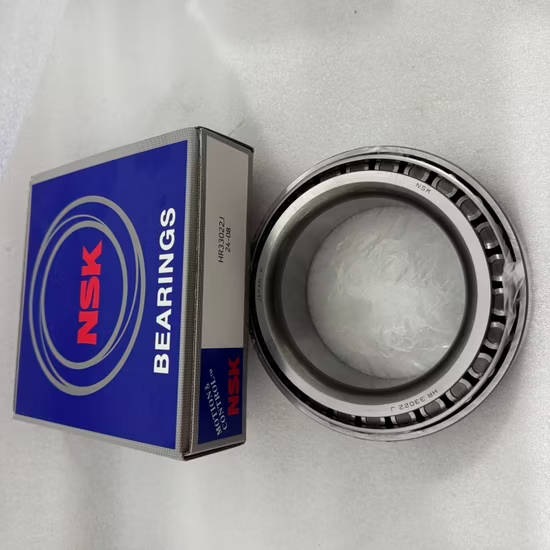
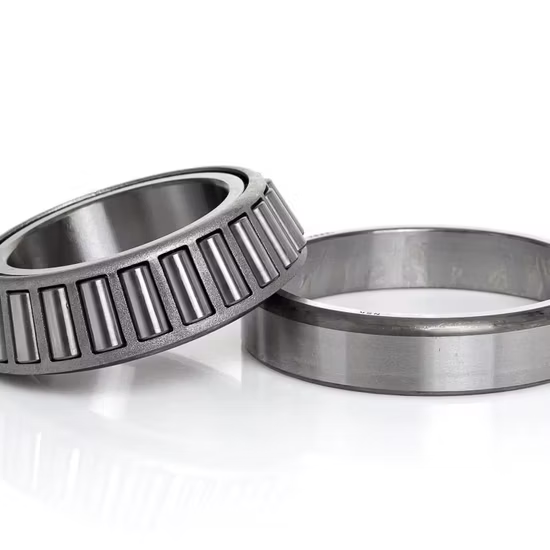
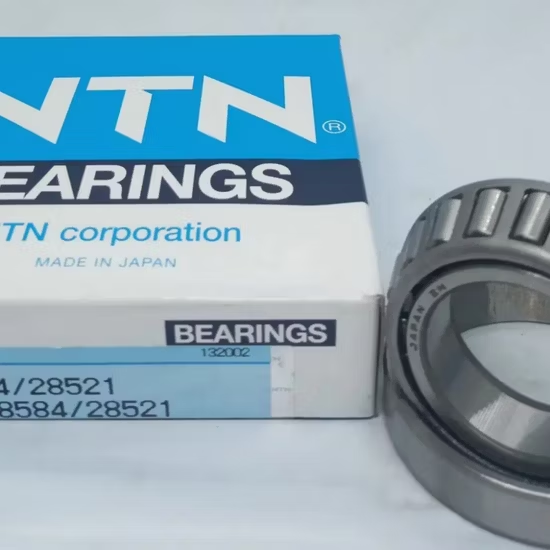
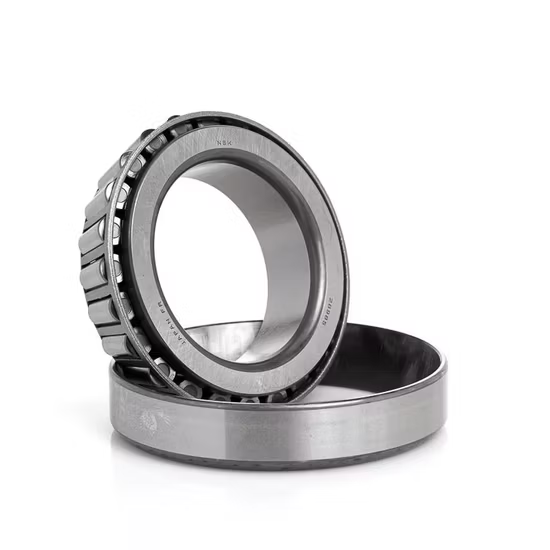
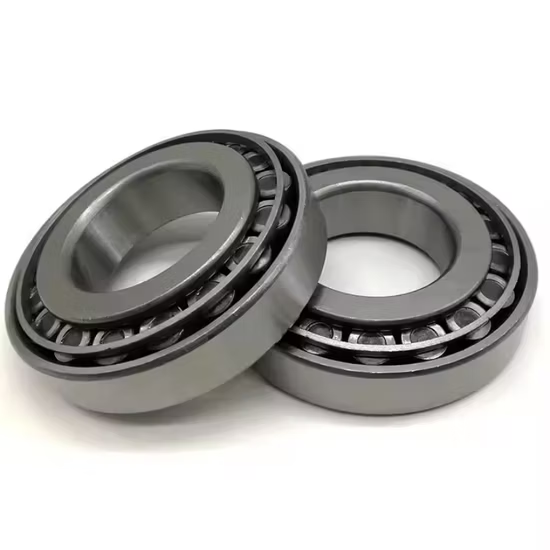
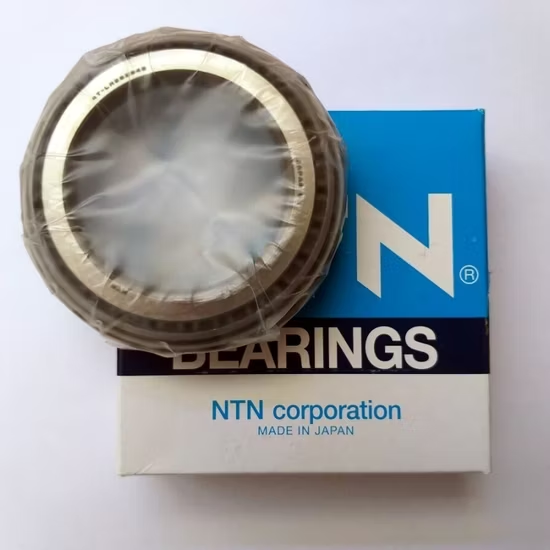
30308 Tapered Roller Bearing — engineered to manage combined radial and axial loads in industrial gearboxes and heavy vehicle axles.
Traceable Batch Origin — Every 30308 unit ships with manufacturer lot documentation and QR verification to eliminate counterfeit risks in heavy machinery supply chains.
| Parameter | Value |
|---|---|
| Designation | 30308 |
| Bearing Type | Tapered Roller Bearing |
| Bore Diameter (d) | 40 mm |
| Outside Diameter (D) | 90 mm |
| Width (B) | 25.25 mm |
| Precision Class | P4 (Standard P0 available) |
| Material | GCr15 bearing steel |
| Cage Material | Pressed steel, machined brass, or polyamide options |
| Seal or Shield Type | Open (external sealing required) |
| Clearance Class | Standard (CN), with C3/C4 available upon request |
| Origin | Germany, Japan, Sweden, Malaysia, or China |
| Industry | Typical Applications |
|---|---|
| Automotive & Heavy Vehicles | Wheel hub assemblies, differential pinion shafts, truck axle ends |
| Industrial Manufacturing | Conveyor pulley bearings, crusher eccentric shafts, vibrating screens |
| General Machinery | Agricultural PTO shafts, mixer drum drives, material handling gearboxes |
Thermal expansion dictates clearance survival, not just dimensional fit.
I have spent years troubleshooting equipment in Latin American mining and transport sites, seeing too many tapered roller bearings seize under high ambient heat simply because the internal clearance was ignored. A basic dimension match gets the part onto the shaft, but without verifying the exact clearance class and cage material, the assembly is a ticking time bomb. When standard clearance components are forced into high-temperature gearbox environments without accounting for thermal shaft growth, the rolling elements bind, generating massive friction and catastrophic cage failure . We prevent this by validating the complete application profile before releasing any 30308 tapered roller bearing from our inventory.
Selecting the right 30308 tapered roller bearing goes far beyond matching the bore and outside diameter. We review your specific radial and axial load combinations, operating temperatures, and shaft deflection characteristics to ensure the internal geometry aligns with your equipment. By cross-referencing your OEM requirements against our multi-brand inventory, we secure the exact internal design variant needed to maintain optimal load distribution across the roller paths.
Open tapered roller designs rely entirely on the housing’s sealing integrity and the correct lubricant viscosity to survive harsh environments. In dusty agricultural or mining conditions, particulate ingress accelerates abrasive wear on the raceways, while heavy shock loads demand extreme pressure additives in the grease. The cage material must also withstand the shear forces generated during sudden load reversals or high-speed differentials. Ignoring the lubrication interval or selecting a cage material incompatible with the operating temperature range rapidly degrades the rolling contact fatigue life .
The performance of this designation relies heavily on the precise matching of the cup and cone assemblies. The GCr15 bearing steel provides the necessary core hardness and contact fatigue resistance for heavy radial and directional thrust loads. Depending on the specific variant sourced, the cage material dictates the speed limits and vibration resistance; pressed steel cages offer low mass for standard speeds, while machined brass variants handle severe shock loads and high-vibration environments like vibrating screens. Because this is an open design, the internal clearance must be set during mounting by adjusting the axial position of the shaft or housing, making the initial selection of the correct tolerance class critical for achieving the target preload or operating clearance.
Treating all identical base numbers as interchangeable leads to unplanned downtime and severe secondary damage. When a standard clearance bearing is installed in an application requiring thermal expansion compensation, the resulting internal preload causes rapid temperatur*s. According to failure analysis frameworks, a significant share of premature bearing seizures stems directly from these initial specification mismatches rather than manufacturing defects . This not only destroys the bearing but often ruins the shaft and housing, multiplying the repair costs and voiding equipment warranties.
We eliminate the guesswork that plagues standard catalog ordering by enforcing strict cross-reference alignment. While others might ship any available stock, we verify that the internal geometry, cage material, and precision grade match your exact machinery requirements. Our multi-brand authorization means we can source the optimal manufacturer for your specific application without compromising on traceability. Furthermore, our technical team reviews your load and speed parameters to confirm the selection, ensuring the 30308 tapered roller bearing you receive is engineered to survive your specific operational stresses, not just fit the physical space.
To ensure the selected component survives your specific operating environment, please provide the radial and axial load profiles, operating speed ranges, and expected temperature fluctuations. If you are replacing an existing component, sharing the OEM equipment number or the exact manufacturer designation printed on the old part allows our engineering team to perform a precise cross-reference check. This technical validation ensures the internal clearance and cage design are perfectly aligned with your machinery requirements.
Q: Why is matching the base number insufficient when replacing this component?
A: Base numbers only define the outer dimensions. Internal design variations, such as cage material, roller profile, and clearance class, dictate how the component handles thermal expansion and shock loads. Installing a standard variant in a high-temperature application causes thermal binding and rapid seizure, which is why we verify the complete suffix and internal specification against your operating conditions.
Q: How do I verify the authenticity of the delivered units?
A: Every unit we supply includes manufacturer lot traceability and a unique QR code. You can scan this code using the official mobile application of the respective brand to instantly verify the production batch, origin, and authenticity, completely eliminating the risk of installing counterfeit parts with compromised metallurgical integrity.
Q: What is the difference between standard and P4 precision for this type?
A: Standard precision is suitable for general automotive and industrial applications where slight runout is acceptable. P4 precision offers significantly tighter tolerances on bore, outside diameter, and running accuracy, which is critical for high-speed gearboxes or machine tool spindles where vibration reduction and exact shaft positioning are required for optimal performance.
Q: How does cage material selection impact performance in heavy machinery?
A: Pressed steel cages are lightweight and suitable for standard speeds and moderate loads. However, in high-vibration environments like vibrating screens or applications with severe shock loads, machined brass cages provide superior structural integrity, better guiding of the rollers, and enhanced resistance to cage fatigue and fracture.
Our 5-step process ensures every order is engineered, validated, and supported for optimal performance.
Technical needs assessment
Custom specifications
Free samples for $50k+
Pre-shipment inspection
On-site & predictive
Our certified engineers respond within 24 hours with detailed technical specifications, pricing, and lead time information.