01
Consultation
Technical needs assessment


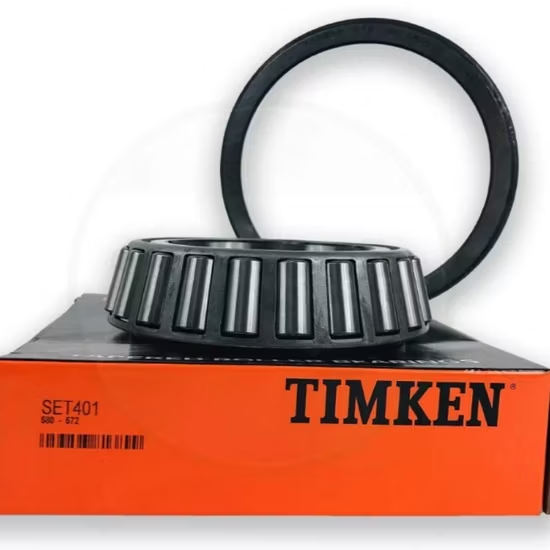
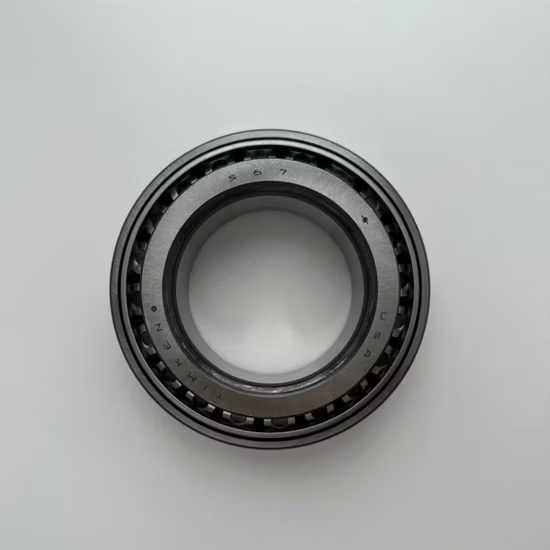
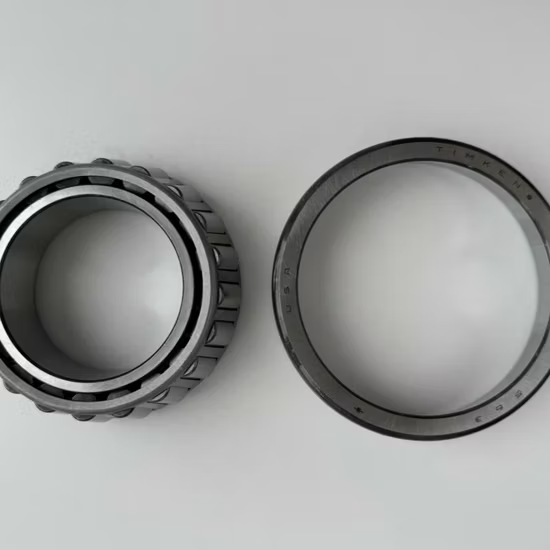
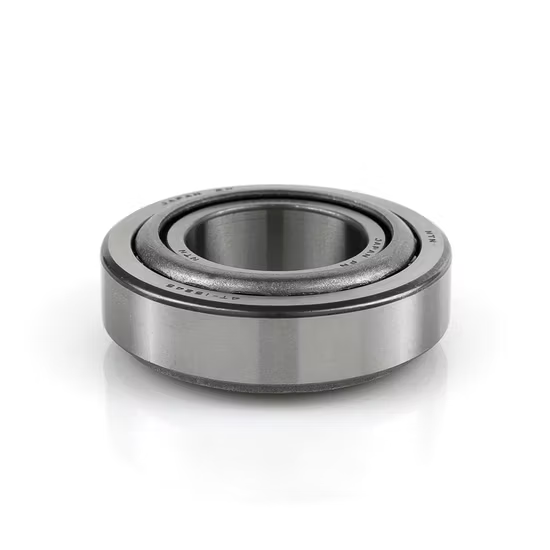
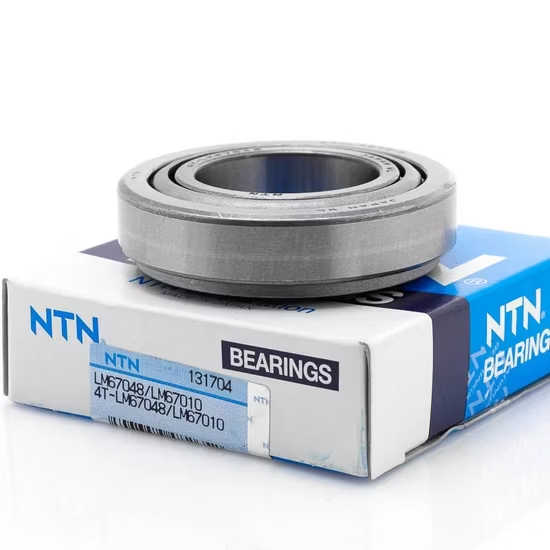
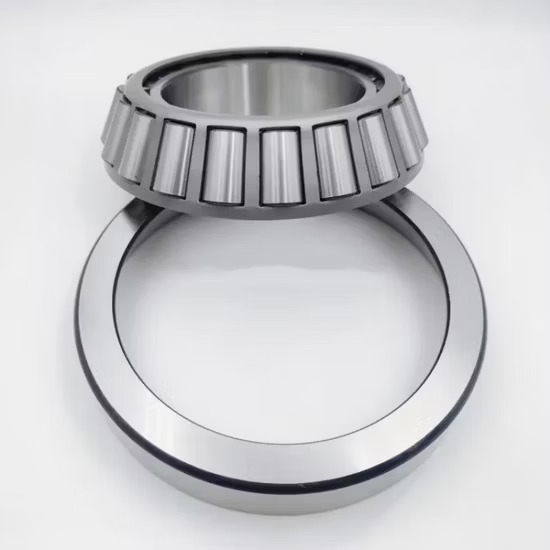
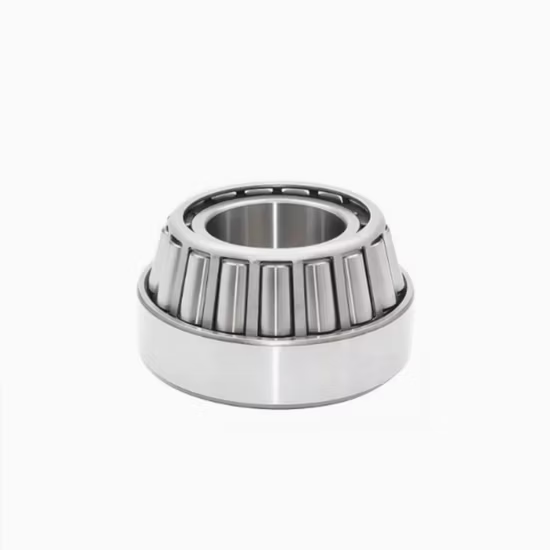
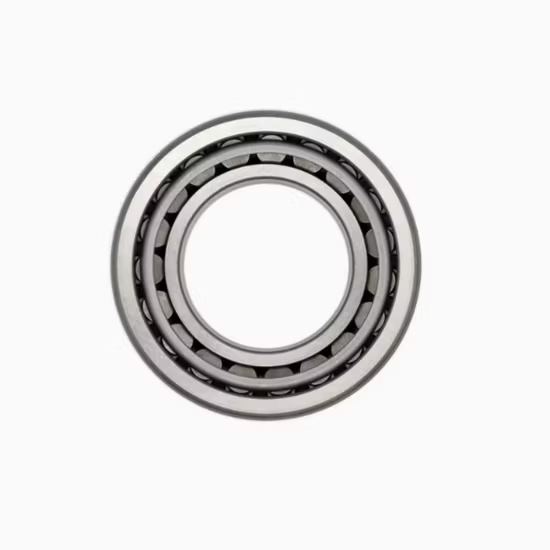
30202 Single Row Tapered Roller Bearing P5 — manufactured from GCr15 bearing steel to manage simultaneous radial and axial forces in automotive hubs and gearboxes.
Traceable Batch Origins — Every 30202 unit ships with manufacturer lot documentation linking directly to the forging and heat treatment records.
| Parameter | Value |
|---|---|
| Designation | 30202 |
| Bearing Type | Tapered Roller Bearing |
| Number of Rows | Single Row |
| Bore Diameter (d) | 15 mm |
| Outside Diameter (D) | 35 mm |
| Width (B) | 11 mm |
| Material | GCr15 Bearing Steel |
| Cage Material Options | Nylon, Brass, or Iron |
| Precision Class | P4 / P5 |
| Origin | Shanghai |
| Industry | Typical Applications |
|---|---|
| Automotive Repair | Passenger vehicle wheel hub assemblies and steering knuckle pivots |
| Heavy Vehicles | Light truck axle pinions and differential side gear supports |
| Industrial Machinery | Compact gearbox input shafts and conveyor drive pulleys |
| Marine Equipment | Outboard motor lower unit propeller shaft supports |
Matching the base number is only the beginning; ignoring the precision suffix guarantees premature field failure.
Sourcing teams frequently approve purchase orders based solely on the primary dimension code, assuming all variants perform identically. In compact automotive assemblies, substituting a standard tolerance component where a P5 rating is mandated introduces microscopic runout. This runout amplifies vibration at operational speeds, rapidly degrading the raceway and destroying adjacent seals. We enforce strict suffix verification to prevent these catastrophic assembly rejections .
Compact drivetrain components endure aggressive combined loading profiles that standard deep groove alternatives simply cannot manage. The 30202 tapered roller bearing separates these forces effectively through its optimized contact geometry, transferring axial thrust directly into the housing while sustaining radial shaft loads. Sourcing the correct variant ensures the assembly maintains structural rigidity under the dynamic cornering and braking forces typical in light vehicle applications.
Automotive wheel ends and gearbox input shafts operate in highly constrained spaces where heat dissipation is severely limited. Friction generated by rolling contact and seal drag elevates internal temperatures, demanding precise internal clearance management to prevent thermal binding. Furthermore, exposure to road debris and moisture requires strict adherence to specified seal interfaces, while varying rotational speeds dictate the optimal cage material to minimize centrifugal stress and lubricant starvation .
The nomenclature reveals critical dimensional and performance boundaries essential for correct integration. The prefix indicates a single row tapered geometry, while the dimension series code specifies a compact cross-section optimized for 15 mm shafts. The P4 and P5 precision classes denote strictly controlled dimensional tolerances and running accuracy, which are non-negotiable for high-speed spindle or hub applications where vibration must be minimized. Additionally, the availability of nylon, brass, or iron cage options allows engineers to balance high-speed capability against heavy-load durability based on the specific thermal profile of the housing.
Procuring a component that physically fits but lacks the required precision rating triggers a cascade of hidden expenses. Initial savings are rapidly eclipsed by unplanned downtime, warranty voidance, and the labor costs associated with tearing down the assembly to replace the failed part. Misaligned tolerances accelerate surface fatigue and spalling, ultimately leading to catastrophic shaft damage that extends the repair scope far beyond a simple component swap .
Our procurement process intercepts cross-reference errors before the shipment leaves the warehouse. While many suppliers match the base dimension and ignore the precision suffix, we verify that the P5 tolerance and specific cage material align exactly with your OEM equipment specifications. We provide full batch traceability for every 30202 unit, ensuring you receive genuine GCr15 steel components rather than soft-ringed counterfeits that fail under load. This rigorous validation eliminates the guesswork and protects your production schedule from unexpected stoppages.
To ensure the selected component perfectly matches your operational requirements, please provide the specific radial and axial load profiles alongside the maximum operational speed. Sharing the exact OEM equipment number allows our engineering team to perform a comprehensive cross-reference check, verifying that the precision class and cage material align with the original design. This data enables us to calculate the expected L10 life and confirm the suitability of the 30202 tapered roller bearing for your specific application.
Q: How do I verify the authenticity and batch traceability of the received bearings?
A: Every shipment includes manufacturer lot documentation and a scannable QR code. You can use the official brand application to verify the authenticity of the 30202 unit, confirming its origin and ensuring the internal components match the documented GCr15 steel specifications and precision grades.
Q: Why must clearance, cage material, and precision suffixes be matched during cross-referencing?
A: Matching only the base dimension ignores critical operational parameters. A standard precision part used in a high-speed application will generate excessive vibration, while an incorrect cage material may fail under specific thermal loads. Exact suffix alignment prevents premature field failure and protects the surrounding assembly.
Q: What are the differences between P4 and P5 precision classes in tapered roller bearings?
A: P4 and P5 denote strictly controlled dimensional tolerances and running accuracy. P4 offers tighter limits than P5, resulting in lower vibration and higher rotational accuracy. Selecting the correct class is vital for high-speed automotive hubs or precision gearboxes where microscopic runout causes rapid degradation.
Q: How to select the right cage material for specific operating temperatures?
A: Nylon cages offer low friction and perform well at moderate temperatures, while brass cages provide superior durability and heat dissipation for heavier loads. Iron cages are utilized for basic, cost-effective applications. The choice depends on the maximum operating temperature and the specific speed requirements of your equipment.
Q: What are the recommended mounting practices for single row tapered roller bearings?
A: Single row tapered designs require precise axial clearance or preload adjustment during installation. Use controlled induction heating for tight shaft fits, avoid direct hammer blows to the rings, and ensure the mating surfaces are perfectly clean to maintain the specified P5 running accuracy and prevent operational vibration.
Our 5-step process ensures every order is engineered, validated, and supported for optimal performance.
Technical needs assessment
Custom specifications
Free samples for $50k+
Pre-shipment inspection
On-site & predictive
Our certified engineers respond within 24 hours with detailed technical specifications, pricing, and lead time information.