01
Consultation
Technical needs assessment

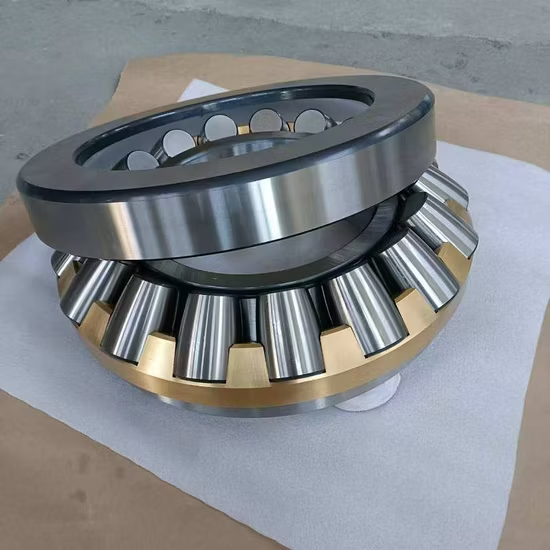
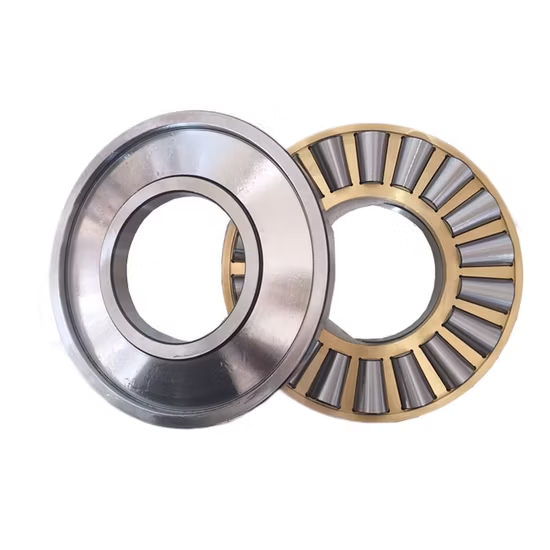
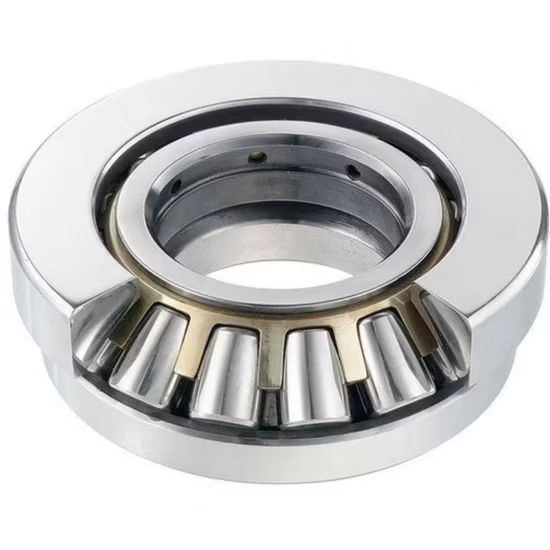
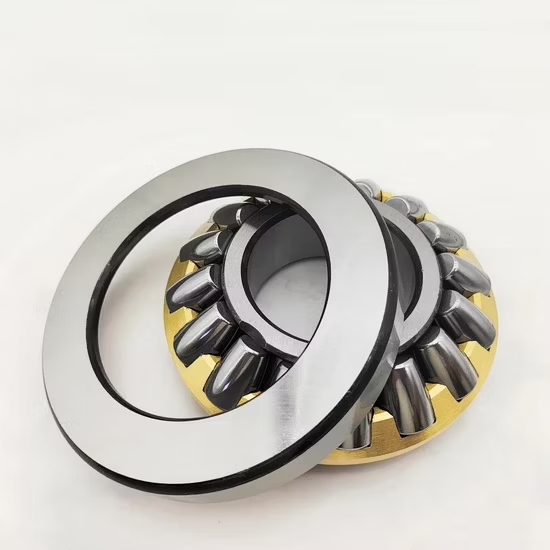
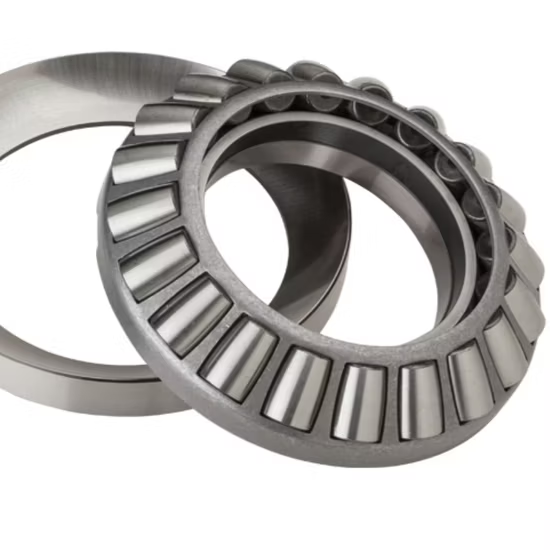
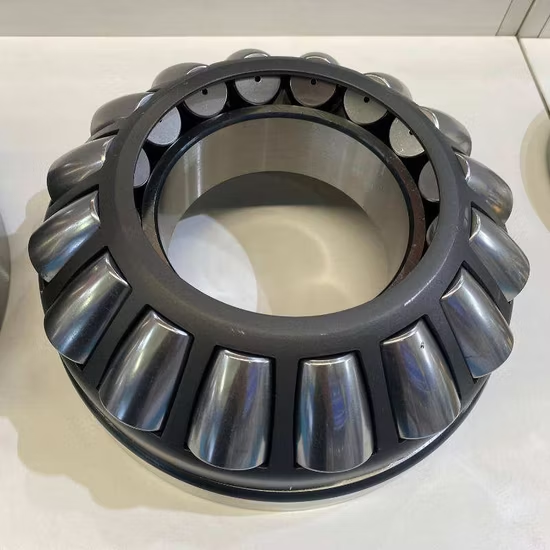
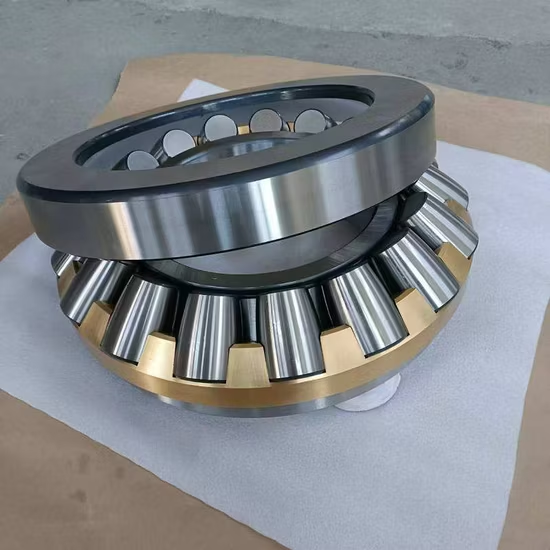
29428e Spherical Roller Thrust Bearing — featuring an optimized internal design for enhanced axial load capacity in differentials and heavy-duty gearboxes.
Verified via official app — Every 29428e spherical roller thrust bearing we dispatch includes a scannable QR code linking directly to the manufacturer's authentication portal, ensuring absolute traceability.
| Parameter | Value |
|---|---|
| Designation | 29428e |
| Bearing Type | Spherical Roller Thrust Bearing |
| Internal Design | E (Enhanced capacity) |
| Vibration Level | Z1V1, Z2V2, Z3V3 |
| Feature | Low Noise, High Speed, Long Service Life |
| Origin | Germany, Japan, Sweden, Malaysia, China |
| Customization | Available |
| Industry | Typical Applications |
|---|---|
| Heavy-duty gearboxes | Differential assemblies and main drive thrust collars |
| Marine drives | Propulsion shaft thrust bearing housings |
| Mining and crushing | Gyratory crusher main shaft support mechanisms |
| Material handling | Bucket elevator heavy-load drive gearboxes |
Base number matches alone will destroy heavy gearboxes under peak axial loads.
When sourcing replacements for differential assemblies, procurement teams frequently approve cross-references that align the base dimensions but overlook the internal design suffix. Installing a standard capacity variant where an enhanced design is required leads to rapid roller edge stress and cage deformation. Field teardowns across the Middle East consistently reveal that ignoring this single letter suffix accounts for a significant share of premature failures in heavy transmission systems . The 29428e spherical roller thrust bearing prevents this by utilizing optimized roller profiles to distribute axial forces evenly across the raceway.
Differential housings and industrial gearboxes generate immense axial thrust combined with moderate radial loads and shaft misalignment. The 29428e spherical roller thrust bearing accommodates these combined loads while tolerating slight angular deflections between the shaft and housing. Sourcing this specific enhanced variant ensures the transmission maintains operational stability even when gear meshing forces fluctuate during startup or shock loading events.
Inside a sealed gearbox, ambient temperatures rise significantly, altering lubricant viscosity and affecting the bearing's internal clearance. If the vibration level and internal geometry are not matched to the operating temperature, thermal expansion can eliminate the necessary operational clearance, leading to severe friction and heat generation. Proper oil bath or circulating oil lubrication is critical here to flush out wear particles and maintain a stable hydrodynamic film between the rollers and the sphered raceway .
The 'e' suffix denotes an enhanced internal design, meaning the roller complement and raceway curvatures are optimized for maximum axial load-carrying capacity. Unlike standard designs, this geometry increases the contact area between the asymmetrical rollers and the raceways, significantly reducing contact stress. Furthermore, the availability of Z1V1 through Z3V3 vibration grades allows maintenance engineers to select the precise running smoothness required. Higher precision grades minimize dynamic vibrations within the gearbox, protecting adjacent precision gears from resonant fatigue and extending the overall service life of the differential assembly.
Substituting an enhanced thrust bearing with a standard capacity equivalent might pass initial visual inspections, but it fundamentally compromises the L10 life calculation. Under continuous heavy axial loading, the standard variant will experience accelerated surface fatigue and spalling. This unplanned downtime in a mining crusher or marine drive results in catastrophic secondary damage to the gearbox housing and shafts, voiding equipment warranties and incurring massive replacement costs far exceeding the initial component savings .
We enforce strict cross-reference alignment that verifies the 'e' suffix, ensuring the enhanced load capacity is never compromised by a standard substitute. Our batch traceability protocols link every 29428e spherical roller thrust bearing directly to the manufacturer's production facilities, eliminating the risk of counterfeit soft inner rings. We provide application-based selection reviews that check your specific gearbox vibration requirements against our Z1V1 to Z3V3 inventory. By supplying matched documentation and verifying cage material compatibility, we ensure the bearing survives the exact thermal and mechanical environment of your differential.
To ensure the 29428e spherical roller thrust bearing is the exact match for your differential or gearbox, provide your operational parameters including peak axial loads, continuous operating temperatures, and shaft speeds. Our engineering team will perform an L10 life calculation and verify the required vibration grade. If you are replacing an existing unit, share the OEM equipment number or the exact designation stamped on the original component so we can execute a precise cross-reference check, confirming the internal design suffix and dimensional tolerances before dispatch.
Q: Why is the 'e' suffix critical when replacing a differential thrust bearing?
A: The 'e' suffix indicates an enhanced internal design optimized for higher axial load capacity. Installing a standard variant without this suffix in a heavy-duty differential will lead to rapid roller edge stress and premature cage failure under peak transmission loads. Always verify the suffix matches the original equipment specification.
Q: How do Z1V1, Z2V2, and Z3V3 vibration levels affect gearbox performance?
A: These grades define the running smoothness and noise levels of the bearing. Selecting a higher grade like Z3V3 minimizes dynamic vibrations within the differential housing, which protects adjacent precision gears from resonant fatigue and ensures smoother operation in high-speed industrial gearboxes.
Q: Can I cross-reference the 29428e with other brands like 29429em or 29430e?
A: While 29429em and 29430e belong to the same spherical thrust series, they represent different physical dimensions and cage materials (like the 'm' for machined brass). Cross-referencing requires exact alignment of the bore size, enhanced 'e' suffix, and cage type to ensure proper fitment and load distribution in your specific housing.
Q: How do you verify the authenticity of the supplied thrust bearings?
A: Every bearing we supply features a unique QR code that links directly to the manufacturer's official authentication portal. This allows your maintenance team to scan the component on-site, verifying the batch traceability, origin, and internal design specifications before it is mounted into the differential assembly.
Our 5-step process ensures every order is engineered, validated, and supported for optimal performance.
Technical needs assessment
Custom specifications
Free samples for $50k+
Pre-shipment inspection
On-site & predictive
Our certified engineers respond within 24 hours with detailed technical specifications, pricing, and lead time information.