01
Consultation
Technical needs assessment

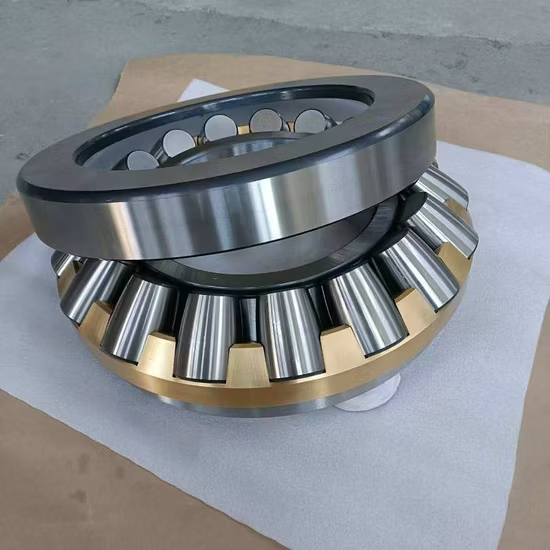
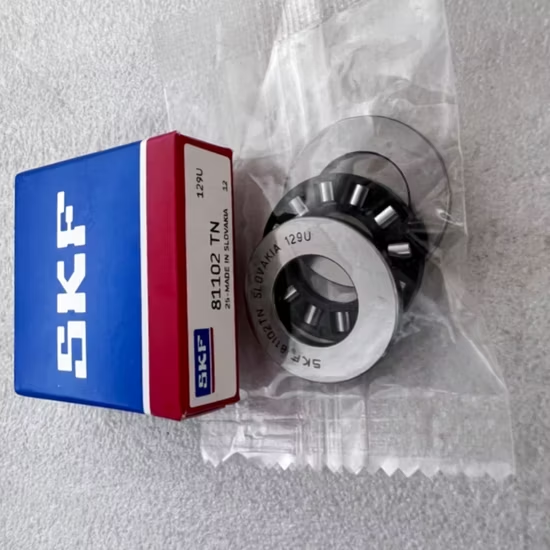
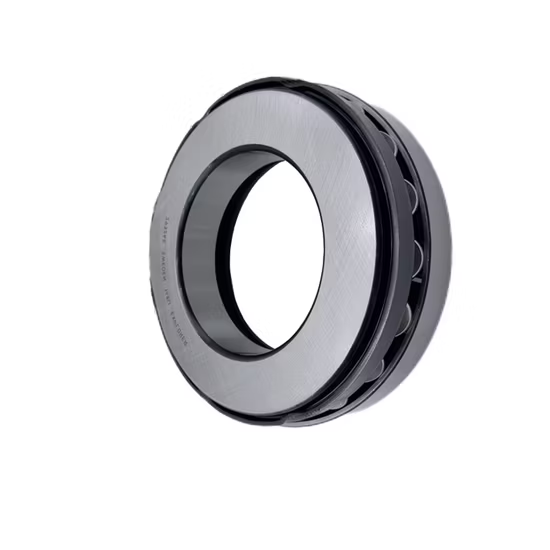
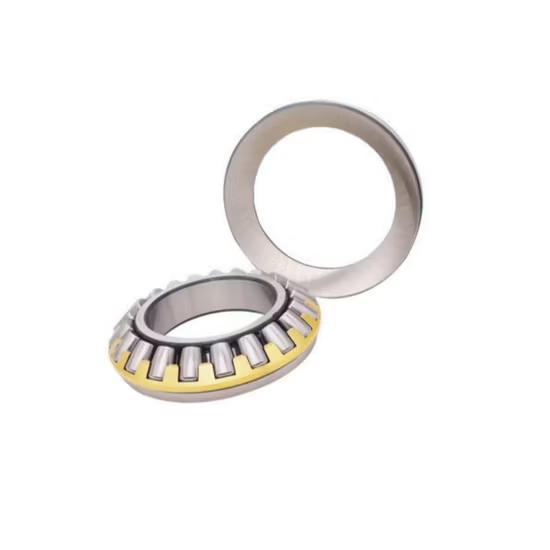
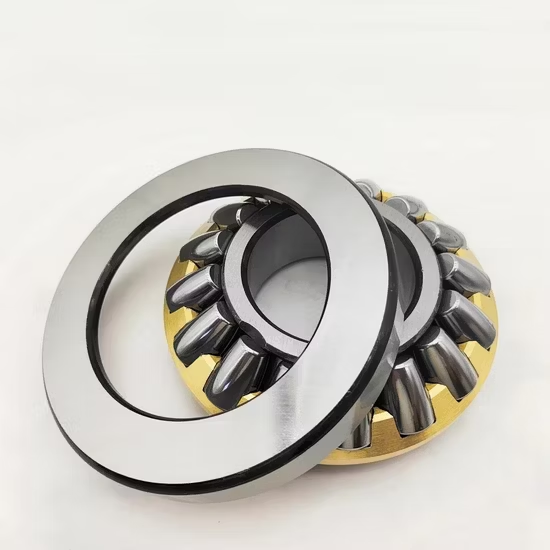
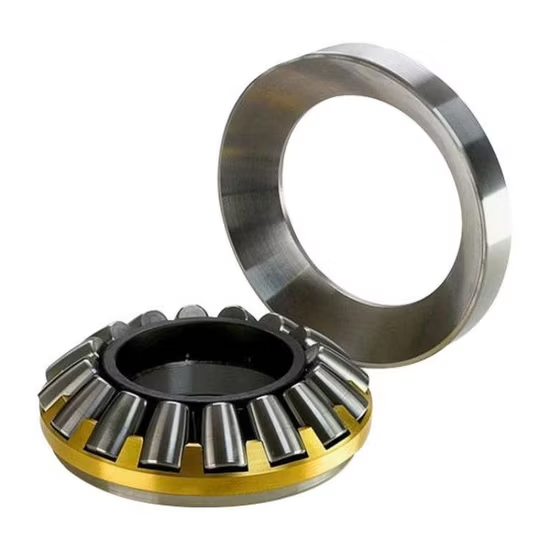
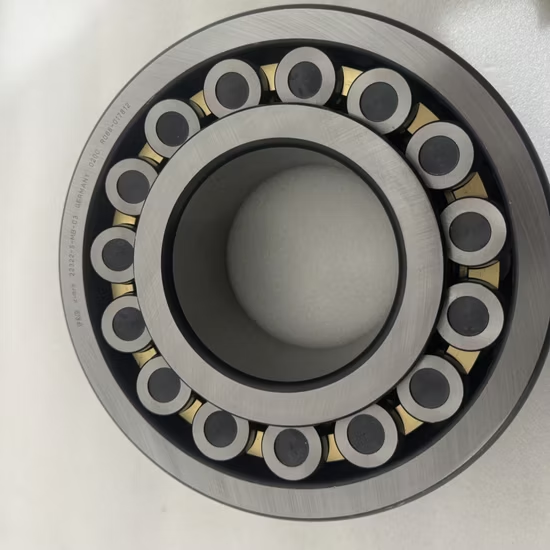
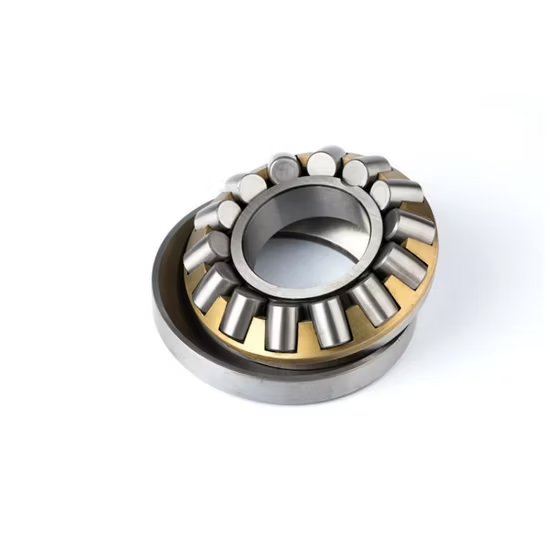
29330 Spherical Thrust Roller Bearing — Engineered to accommodate shaft misalignment and sustain heavy axial loads in industrial gearboxes and marine drives.
Traceable Batch Origin — Every 29330 spherical thrust roller bearing ships with manufacturer lot documentation linking directly to the forging and heat treatment records.
| Parameter | Value |
|---|---|
| Designation | 29330 |
| Bearing Type | Spherical Thrust Roller Bearing |
| Vibration Grade | Z1V1, Z2V2, Z3V3 options |
| Cage Material | Machined brass or stamped steel options |
| Origin | Germany, Japan, Sweden, Malaysia, China |
| Cross-Reference | 29332, 29334X3* |
*The X3 suffix on the 29334X3 cross-reference is an unverified designation requiring specific manufacturer catalog confirmation before interchange.
| Industry | Typical Applications |
|---|---|
| Heavy-duty gearboxes | Extruder screw thrust support |
| Marine drives | Propeller shaft axial positioning |
| Material handling | Crane hook slewing mechanism axial load handling |
Cage fragmentation, not raceway spalling, triggers the most sudden axial failures.
Procurement teams often approve substitutions based solely on the base number, ignoring that a stamped steel cage will collapse under the shock loads that a machined brass cage easily absorbs. When internal clearances and cage materials are mismatched during cross-referencing, the rolling elements skew, generating localized heat that destroys the bearing long before the steel reaches its fatigue limit .
Selecting the right variant requires looking past the basic dimension series. We evaluate the specific thrust loads and misalignment angles of your equipment to recommend the correct cage material and vibration grade, ensuring the 29330 spherical thrust roller bearing performs reliably in demanding environments.
Heavy axial loads combined with shaft deflection demand a bearing that self-aligns without binding. When operating temperatures rise, standard clearance classes can close up entirely, causing the rollers to skid rather than roll. Proper lubrication selection and verifying the internal geometry are critical to preventing thermal seizure in continuous-duty extruders and marine drives .
The "29" prefix identifies the thrust roller series, while "330" defines the specific dimension envelope for this unit. Beyond basic sizing, the available Z1V1 through Z3V3 vibration grades dictate the running smoothness. Selecting a higher vibration grade minimizes resonant frequencies in precision gearboxes, while the choice between brass and steel cages dictates the maximum allowable shock load and operating speed.
Installing a bearing with an inadequate cage design leads to rapid roller skewing and uneven load distribution. This triggers premature cage wear, eventual fragmentation, and catastrophic damage to the adjacent shaft and housing components. Such unplanned downtime voids equipment warranties and incurs massive repair costs far exceeding the initial component savings .
Mixed-brand orders are consolidated under one authorized supply chain, eliminating the risk of receiving mismatched batches. Cross-referencing to equivalents like the 29332 is validated against internal design variants, not just outer dimensions. Every unit undergoes application-based selection review to ensure the cage material and clearance class match your exact thermal and load profiles, backed by strict batch traceability.
To ensure accurate technical复核, share your specific axial and radial load profiles, operating speeds, and thermal conditions. Providing the exact OEM equipment number allows our engineering team to verify cross-references and confirm the optimal cage and clearance configuration for your application.
Q: Why can't I directly interchange a base number match if the suffix differs?
A: Base numbers only define the outer dimensions. Suffixes dictate internal geometry, cage material, and clearance. Swapping a brass-caged unit for a stamped steel variant under heavy shock loads will cause rapid cage fragmentation and catastrophic equipment failure, regardless of dimensional compatibility.
Q: How do I choose between machined brass and stamped steel cages?
A: Machined brass cages are mandatory for applications involving heavy shock loads, high speeds, or severe misalignment, as they resist fragmentation. Stamped steel cages are suitable for lighter, steady loads where cost and weight are priorities, but they will fail prematurely if subjected to sudden axial impacts.
Q: What is the correct way to verify the authenticity of the delivered batch?
A: Every genuine unit includes batch traceability documentation. You can scan the provided QR codes using the manufacturer's official mobile application to verify the production lot, origin, and technical specifications directly against the factory database, ensuring complete supply chain transparency.
Q: How should large thrust bearings be heated during installation?
A: The shaft washer should be heated using a calibrated induction heater to expand the bore for a slip fit. Temperature must be strictly controlled to avoid exceeding the thermal limit of the bearing steel, which would permanently reduce the raceway hardness and compromise the fatigue life.
Q: What lubrication strategy is best for continuous heavy axial loads?
A: Continuous heavy thrust loads require oil lubrication or high-viscosity grease with extreme pressure additives to maintain the elastohydrodynamic film between the rollers and raceways. Regular relubrication intervals must be established based on operating temperature to flush out wear debris and prevent thermal seizure.
Our 5-step process ensures every order is engineered, validated, and supported for optimal performance.
Technical needs assessment
Custom specifications
Free samples for $50k+
Pre-shipment inspection
On-site & predictive
Our certified engineers respond within 24 hours with detailed technical specifications, pricing, and lead time information.