01
Consultation
Technical needs assessment

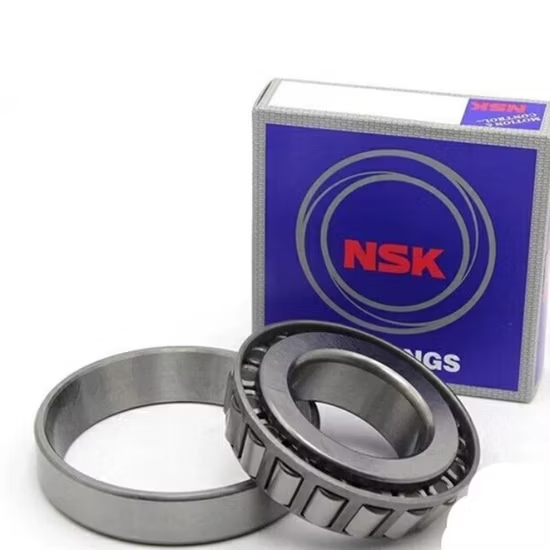

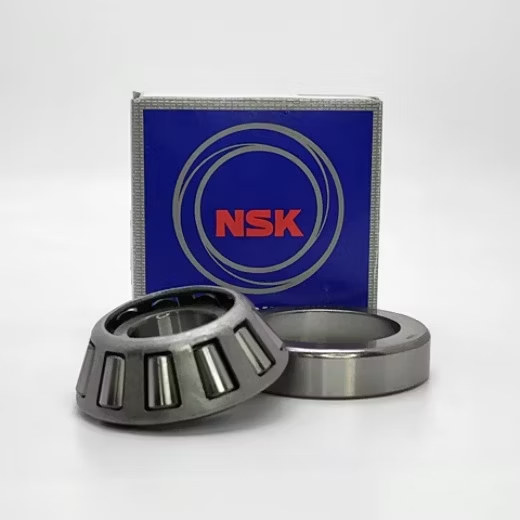
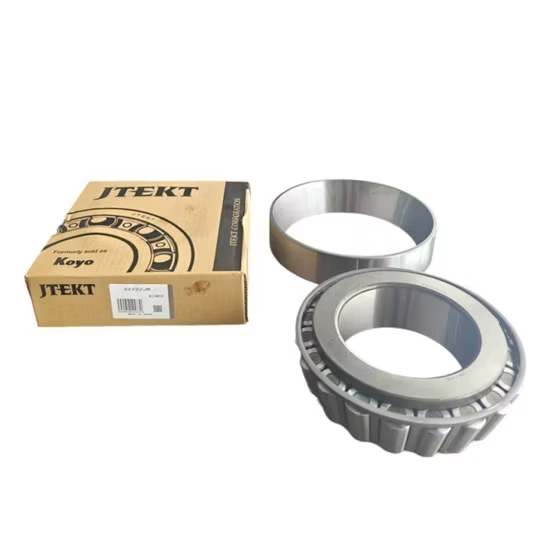
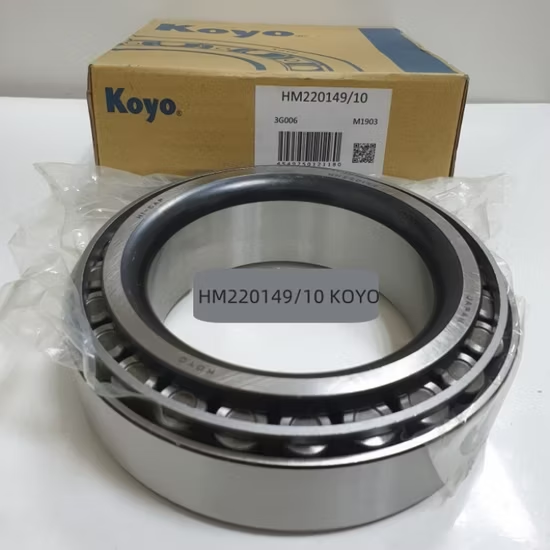
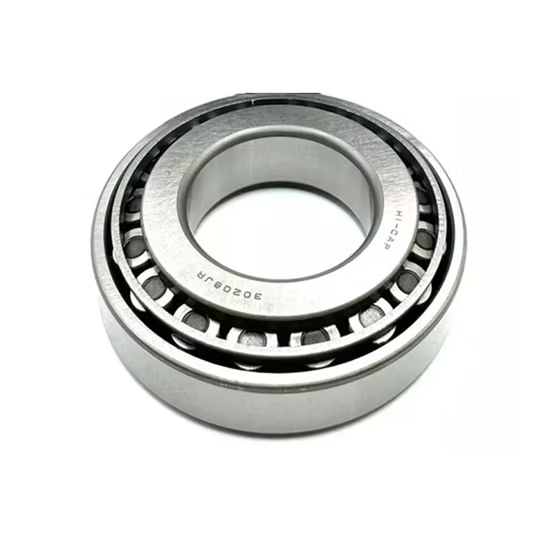
30200 30201 Tapered Roller Bearing P4 — Single-row metric design engineered to handle combined radial and axial loads in automotive wheel hubs and industrial gearboxes.
Supplied with a complete documentation package including material test reports and dimensional inspection certificates for full batch traceability.
Batch Traceability — Every 30200 30201 unit ships with verifiable lot documentation linking directly to the manufacturer's production records.
| Parameter | Value |
|---|---|
| Designation | 30200 30201 |
| Bearing Type | Tapered Roller Bearing |
| Number of Rows | Single Row |
| Precision Class | P4 |
| Material | GCr15 Bearing Steel |
| Cage Material Options | Nylon, Brass, or Iron |
| Origin | Shanghai |
| Industry | Typical Applications |
|---|---|
| Automotive & Heavy Vehicles | Wheel hub assemblies, truck axle differentials |
| Industrial Power Transmission | Heavy-duty gearbox shaft support, marine drive reduction units |
Matching the base designation is only the first step; ignoring internal geometry and precision class guarantees premature failure under heavy radial and axial loads.
Procurement teams often source replacements by matching the base number alone, assuming dimensional equivalence guarantees operational success. In reality, substituting a standard P0 grade where P4 precision is required introduces excessive vibration and heat generation in high-speed wheel hubs. Furthermore, failing to align the cage material and internal design with the specific thermal expansion characteristics of the housing leads to catastrophic binding. Field experience across demanding environments shows that overlooking these critical internal variables is a primary driver of unplanned downtime and warranty disputes .
Deploying a 30200 30201 tapered roller bearing in a high-speed truck axle or marine drive requires strict adherence to dimensional accuracy. The P4 precision rating ensures tighter running accuracy and significantly reduced friction compared to standard commercial grades. This exacting tolerance is critical for maintaining optimal load distribution across the roller paths, directly translating to extended service life and lower operating temperatures in demanding automotive and industrial gearbox applications.
Wheel hubs and gearbox shafts endure complex combined loading, where heavy radial forces intersect with significant axial thrust during cornering or gear meshing. Operating temperatures fluctuate wildly, dictating the need for precise internal clearance management to prevent thermal binding. Proper lubrication is equally critical; heavy-duty applications demand high-viscosity oils or specialized greases capable of withstanding severe shear forces while resisting contamination from road debris or industrial particulates .
The single-row tapered geometry is fundamentally engineered to manage combined loads by directing axial forces through the roller contact angles. Constructed from GCr15 bearing steel, the rings and rolling elements achieve the necessary core hardness and fatigue resistance for heavy-duty service. The selection of cage material—whether nylon for reduced friction and noise, brass for high-vibration resilience, or iron for extreme load capacity—must be carefully matched to the specific speed and thermal profile of the application. Achieving P4 precision ensures that the critical contact lines between the rollers and raceways are perfectly aligned, minimizing edge stresses.
Substituting an incorrect internal design or accepting substandard precision might seem like a minor procurement compromise, but it inevitably triggers a cascade of mechanical failures. A bearing that runs hot due to poor internal geometry will rapidly degrade the surrounding seals and compromise the hub grease. This leads to catastrophic seizure, destroying the axle shaft and resulting in massive unplanned downtime. Adhering strictly to ISO 281 life calculation parameters requires exact specification matching; any deviation voids the reliability model and shifts the financial risk entirely onto the end user .
Sourcing mixed-brand requirements from a single authorized channel eliminates the coordination friction and lead-time delays inherent in multi-vendor procurement. We ensure cross-brand interchange accuracy by verifying not just the base number, but the exact internal design, cage material, and P4 precision class required for your specific 30200 30201 application. Every shipment includes comprehensive batch traceability and authenticity verification, protecting your operations from the severe consequences of counterfeit components with soft inner rings. Our technical team provides application-based selection reviews to validate load, speed, and mounting parameters before the order is finalized.
To ensure optimal performance and longevity, please provide detailed operating parameters including radial and axial loads, operating speeds, and expected temperature ranges. This data allows our engineering team to validate the P4 precision suitability and perform accurate L10 life calculations for your specific wheel hub or gearbox application. Supplying the original OEM equipment numbers enables precise cross-reference verification, ensuring the internal design and cage material perfectly match your operational requirements.
Q: Why is P4 precision critical for these tapered roller bearings?
A: P4 precision guarantees tighter dimensional and running accuracy than standard grades. In high-speed automotive wheel hubs and industrial gearboxes, this exacting tolerance minimizes vibration, reduces friction heat, and ensures optimal load distribution across the rolling elements, significantly extending the operational service life under heavy combined loads.
Q: How do I select the correct cage material for my application?
A: Cage selection depends on your specific operating environment. Nylon cages offer low friction and quiet operation for standard speeds, brass cages provide superior resilience in high-vibration or high-temperature gearbox applications, and iron cages are selected for extreme load capacities where maximum structural rigidity is required.
Q: What does the cross-reference to 25877/25821 imply?
A: While 25877/25821 is an inch-series designation often cross-referenced in automotive contexts, direct substitution requires rigorous verification. The internal geometry, contact angles, and dimensional tolerances must be meticulously compared to ensure the replacement safely handles the specific radial and axial loads of your equipment without causing premature failure.
Q: How can I verify the authenticity of the GCr15 material?
A: Every shipment includes comprehensive batch traceability documentation linking the specific heat number to the manufacturer's production records. Additionally, the bearings feature QR codes that can be scanned using official brand applications to instantly verify authenticity and confirm the material meets strict metallurgical standards.
Our 5-step process ensures every order is engineered, validated, and supported for optimal performance.
Technical needs assessment
Custom specifications
Free samples for $50k+
Pre-shipment inspection
On-site & predictive
Our certified engineers respond within 24 hours with detailed technical specifications, pricing, and lead time information.