01
Consultation
Technical needs assessment


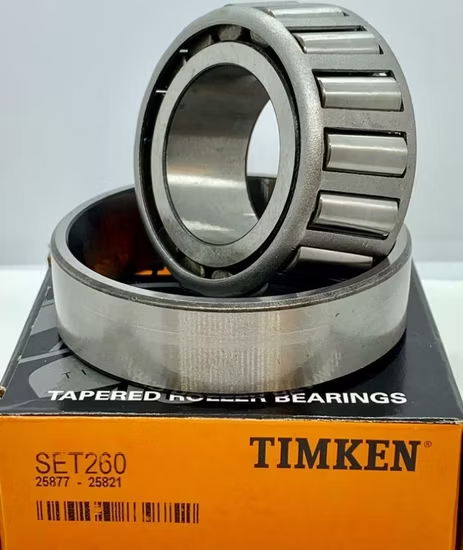
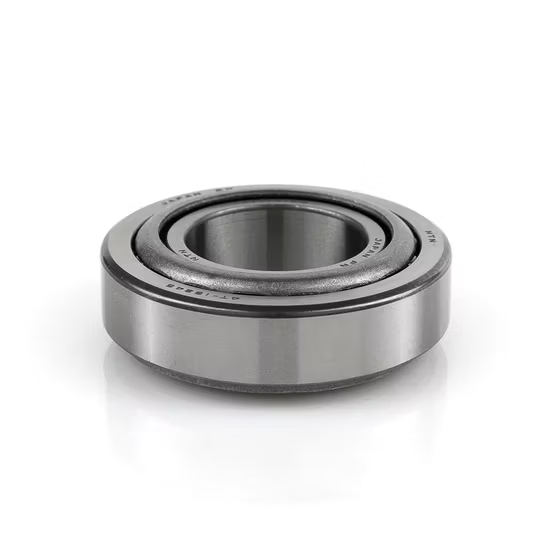
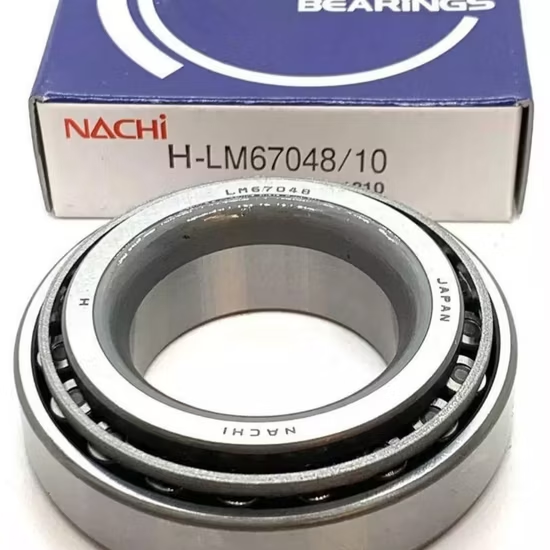
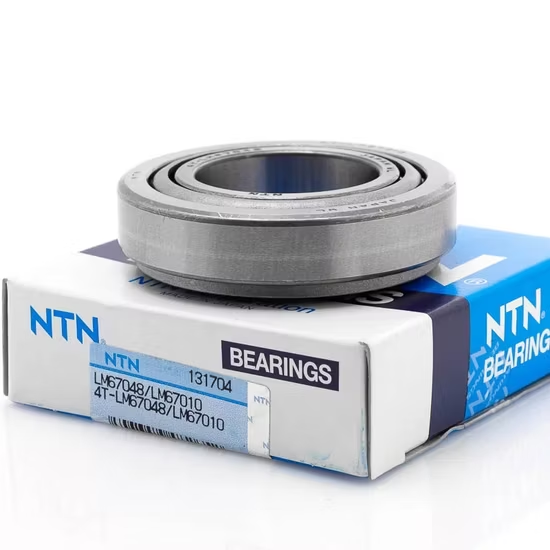
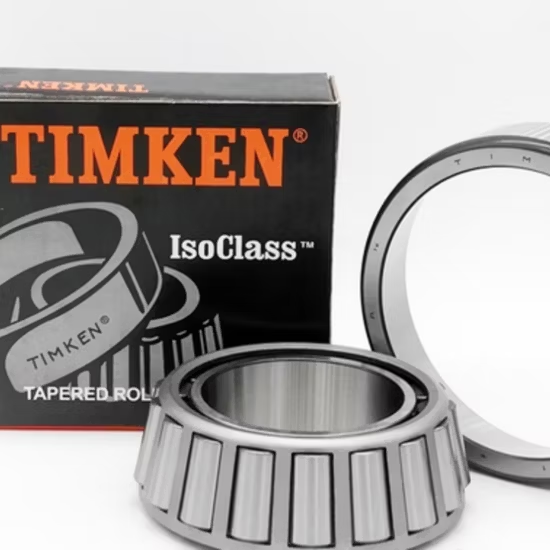
25877/25821 Single Row Inch Tapered Roller Bearing P4 Precision — manufactured from GCr15 bearing steel to deliver high hardness and wear resistance under heavy loads. The P4 precision class guarantees tighter dimensional and running accuracy for demanding industrial gearboxes and automotive hubs.
Three-Way Cross-Reference Alignment — We verify the base number, internal geometry, and P4 precision class simultaneously to eliminate field mismatches.
| Parameter | Value |
|---|---|
| Designation | 25877/25821 |
| Bearing Type | Tapered Roller Bearing |
| Number of Rows | Single Row |
| Measurement System | Inch |
| Precision Class | P4 |
| Material | GCr15 Bearing Steel |
| Cage Material | Available in nylon, brass, or pressed steel variants |
| Industry | Typical Applications |
|---|---|
| Automotive and Heavy Vehicle Repair | Heavy-duty truck axles, commercial wheel hubs, steering knuckles |
| Industrial Gearboxes | Reduction gear shafts, heavy machinery drive trains, extruder gearboxes |
| Manufacturing Plants | Conveyor drive rollers, material handling pivot points, crusher eccentrics |
Matching the base designation without verifying internal geometry and precision class is a direct path to catastrophic thermal binding.
During my years handling aftermarket installations in Dubai, I witnessed a steel plant crusher grind to a complete halt because a standard clearance taper was installed where a specific internal design was required. The inner ring seized under extreme heat, causing unplanned downtime that cost far more than the component itself. When sourcing a 25877/25821 inch tapered roller bearing, overlooking the exact cage material or precision grade leads to premature cage failure and severe shaft damage . We prevent these costly errors by validating every specification against the original equipment load spectrum.
Our technical team reviews your specific application parameters to ensure the selected 25877/25821 inch tapered roller bearing aligns perfectly with your operational reality. By analyzing the exact radial and axial load ratios, we confirm whether the internal contact angle and roller profile can handle the specific forces present in heavy truck axles or industrial gearboxes. This application-based selection review prevents the common mistake of installing a generic replacement that technically fits the shaft but fails under dynamic operating conditions.
Heavy vehicle repair and material handling environments subject taper roller bearings to intense shock loads and rapid temperature fluctuations. The single row inch configuration is engineered to manage combined loads, but the actual performance depends heavily on the correct mounting preload and internal clearance management. If the operating temperature rises significantly, thermal expansion can eliminate the necessary internal clearance, leading to excessive friction and rapid lubricant degradation . Proper selection of the cage material and precision class ensures the bearing maintains its geometric stability even when the housing expands under heavy operational stress.
The P4 precision rating specified for this model ensures noticeably tighter dimensional and running accuracy compared to standard commercial grades. This enhanced precision is critical for high-speed gearbox shafts where minimal runout reduces vibration and extends the life of adjacent seals and gears. The GCr15 bearing steel provides the necessary core hardness and wear resistance for heavy-load environments, reaching the standard HRC58-62 hardness range required for demanding applications . Furthermore, the availability of different cage materials allows procurement engineers to optimize the bearing for specific speed and vibration profiles, ensuring reliable operation whether the application demands the high-speed capability of polyamide or the extreme load capacity of brass.
Installing a component that matches the outer dimensions but features the wrong internal design inevitably leads to premature failure and voided equipment warranties. A mismatched cage or incorrect precision class causes uneven load distribution across the rolling elements, accelerating surface fatigue and spalling. According to industry failure analysis frameworks, a significant share of premature bearing failures stems directly from incorrect selection rather than manufacturing defects . The resulting unplanned downtime, emergency freight costs, and secondary damage to shafts and housings vastly outweigh the initial savings of purchasing an unverified substitute.
We eliminate the guesswork from your procurement process by providing exact cross-reference matching that accounts for the base designation, precision class, and internal geometry. Our authorized distribution network ensures that every batch is fully traceable to the manufacturer, protecting your operation from counterfeits with soft inner rings that fail under load. We supply comprehensive dimensional and running accuracy inspection reports to confirm the P4 precision before the parts ever leave our facility. By handling mixed-brand requirements through a single coordinated channel, we streamline your logistics while maintaining strict quality control over every component.
To ensure the selected bearing meets your exact operational requirements, please provide the specific radial and axial loads, operating speeds, and expected temperature ranges. Sharing the original equipment manufacturer part numbers or detailed housing dimensions allows our engineering team to perform a comprehensive cross-reference and L10 life calculation. If your application involves extreme contamination or unusual thermal cycles, detailing these environmental factors enables us to recommend the most suitable cage material and sealing arrangement for your specific machinery.
Q: How do I verify the authenticity of the 25877/25821 bearings using official apps?
A: Scan the QR code located on the original packaging using the manufacturer's official mobile application. This instantly retrieves the batch production data, confirming the P4 precision class and material specifications. This digital verification prevents the installation of counterfeits that feature cloned visual markers but lack the correct internal geometry and metallurgical properties required for heavy-duty applications.
Q: Why must precision and internal design be matched during cross-referencing?
A: Matching only the base dimensions ignores critical factors like roller profile, cage design, and running accuracy. A standard precision bearing installed in a high-speed gearbox will*d failure. Verifying the P4 class and internal geometry ensures the replacement handles the specific dynamic loads and thermal expansion characteristics of your equipment.
Q: What are the clearance and precision class equivalences for inch tapered roller bearings?
A: Inch tapered roller bearings typically manage internal clearance through mounting adjustment rather than predefined factory clearance classes like radial ball bearings. The P4 precision class indicates significantly tighter tolerances for bore, outside diameter, and width compared to standard classes. This enhanced accuracy is crucial for applications requiring strict shaft alignment and minimal runout under heavy combined loads.
Q: How do I select the correct cage material for specific operating temperatures?
A: The selection depends on the operating temperature, speed, and load characteristics. Pressed steel cages are suitable for standard temperatures and high loads, while machined brass cages offer superior performance under heavy shock loads and elevated temperatures. Polyamide cages provide excellent high-speed capabilities and lower friction but have strict upper temperature limits that must be verified against your application's thermal profile.
Q: What are the recommended mounting practices for single row inch tapered bearings?
A: Proper mounting requires precise control of the axial adjustment to establish the correct internal clearance or preload. The inner ring should be heated using an induction heater to the manufacturer's specified temperature, avoiding open flames that cause localized overheating. After mounting, the endplay must be measured with a dial indicator to ensure the bearing operates within the optimal geometric parameters for your specific shaft and housing configuration.
Our 5-step process ensures every order is engineered, validated, and supported for optimal performance.
Technical needs assessment
Custom specifications
Free samples for $50k+
Pre-shipment inspection
On-site & predictive
Our certified engineers respond within 24 hours with detailed technical specifications, pricing, and lead time information.



