01
Consultation
Technical needs assessment


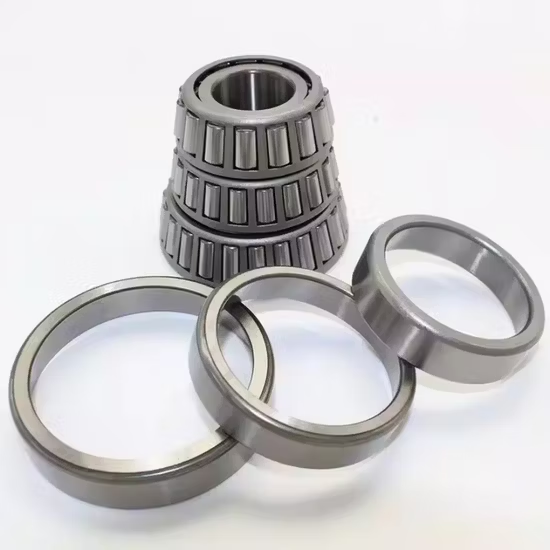
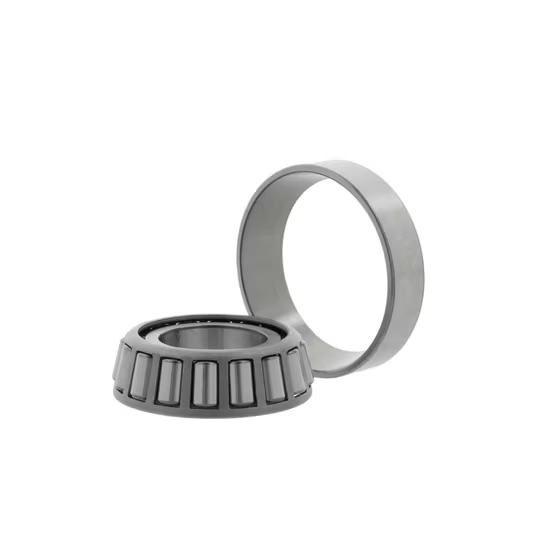
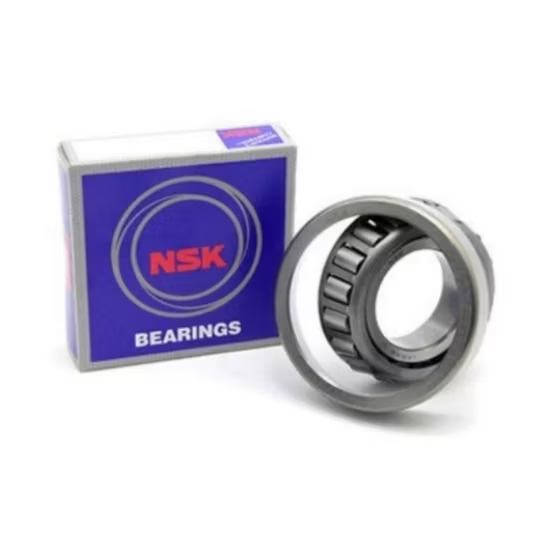
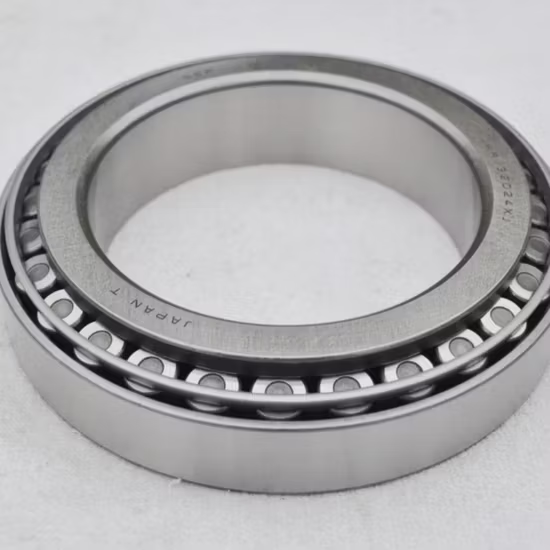
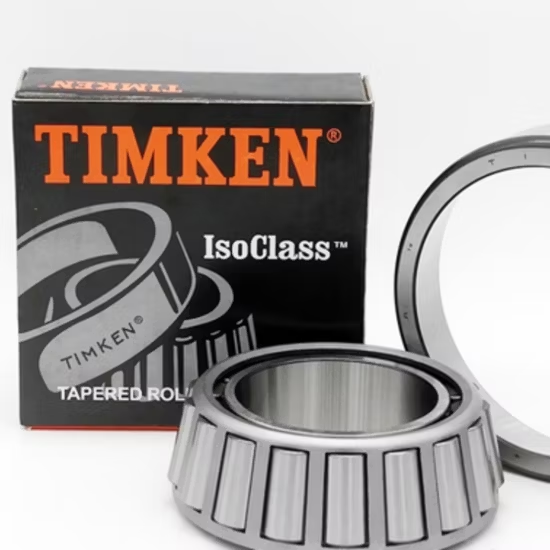
25581/25520 Single Row Inch Tapered Roller Bearing P4 Precision — engineered to manage combined radial and axial loads effectively.
Exact Cross-Reference Alignment — We verify the base number, internal contact angle, and cage material for every shipment to prevent field mismatch.
| Parameter | Value |
|---|---|
| Designation | 25581/25520 |
| Bearing Type | Single Row Inch Tapered Roller Bearing |
| Precision Class | P4 |
| Material | GCr15 bearing steel |
| Cage Material | Available in nylon, brass, or stamped steel variants |
| Bore Type | Inch |
| Number of Rows | Single |
| Origin | Sourced from authorized manufacturer facilities |
| Industry | Typical Applications |
|---|---|
| Heavy Vehicle Repair | Truck axle wheel hubs and differential pinion shafts |
| Industrial Gearboxes | Reduction gear main shafts and heavy-duty conveyor drives |
| Manufacturing Plants | Material handling equipment and crusher eccentric shafts |
Matching the basic designation ignores critical internal geometry and cage variations that dictate actual field performance.
Procurement teams often assume that ordering the standard inch designation guarantees a direct drop-in replacement. In reality, overlooking specific internal design modifications or cage material differences leads to thermal binding or premature cage fracture under heavy axial loads. I have seen countless truck axles in Latin America suffer early spalling simply because the cross-reference ignored the exact inch tolerance requirements.
When dealing with combined radial and axial loads in truck axles or gearboxes, the precise contact angle and roller profile of this 25581/25520 single row inch tapered roller bearing determine its load-carrying capacity. We review your specific operational speeds and temperature ranges to ensure the selected cage material and precision class align perfectly with the application, preventing unexpected downtime.
Heavy vehicle axles and industrial gearboxes subject bearings to severe shock loads and significant temperature fluctuations. These conditions demand careful attention to the internal clearance and mounting preload, as thermal expansion can quickly eliminate internal clearance if the initial setting is too tight. Proper lubrication selection is equally critical to manage friction heat and protect the raceways from micropitting under boundary lubrication conditions.
The P4 precision class ensures tighter dimensional and running accuracy, which is essential for minimizing vibration in high-speed gearbox applications. Cage material selection directly impacts operational limits: nylon cages offer excellent friction reduction and speed capabilities, while brass cages provide superior durability under high shock loads and elevated temperatures. Stamped steel cages serve as a reliable baseline for standard industrial drives. Selecting the wrong cage type for a specific thermal environment often leads to rapid degradation.
Ignoring specific inch tolerance standards during replacement sourcing results in unplanned downtime and catastrophic damage to adjacent shaft components. A minor deviation in the cup and cone matching can cause uneven load distribution across the rollers, accelerating fatigue spalling. Following standardized failure analysis frameworks helps identify whether premature wear stems from incorrect mounting preload or a fundamental mismatch in the internal geometry.
We provide authorized coverage across all major brands, ensuring your mixed-brand orders are handled seamlessly. Every batch features full traceability with QR verification through official brand apps to eliminate counterfeit risks. Our cross-reference process matches clearance, cage material, and precision suffixes, not just the base designation. We conduct application-based selection reviews covering load, speed, and temperature to prevent field failures. This technical depth ensures the 25581/25520 single row inch tapered roller bearing performs reliably under your exact operating conditions.
Share your radial and axial load profiles, operating speeds, and thermal conditions so we can verify the L10 life and internal clearance requirements. Providing the exact OEM equipment number allows us to perform a comprehensive cross-reference check, ensuring the cage material and precision class match the original design intent. This technical review guarantees the selected configuration handles your specific application demands without compromise.
Q: How do I verify the authenticity of the received bearings?
A: Each shipment includes batch traceability documentation and a unique QR code. You can scan this code using the manufacturer's official mobile application to instantly verify the origin, precision class, and production date, ensuring you receive genuine products rather than visually similar counterfeits with soft inner rings.
Q: Why must cage material be aligned during cross-referencing?
A: The base designation only defines the boundary dimensions. Different cage materials handle speed, temperature, and shock loads differently. Installing a standard steel cage in an application requiring the vibration damping of a brass cage can lead to premature cage fracture and catastrophic equipment failure under heavy axial loads.
Q: What are the boundary conditions for selecting nylon versus brass cages?
A: Nylon cages are ideal for applications requiring low friction and higher speed capabilities within moderate temperature ranges. Brass cages are necessary when the equipment experiences severe shock loads, high vibration, or operates beyond the thermal limits of standard polymers, providing superior structural integrity in harsh industrial environments.
Q: How does P4 precision compare to standard grades in running accuracy?
A: P4 precision provides significantly tighter tolerances for dimensional and running accuracy compared to standard P0 grades. This reduction in geometric variation minimizes vibration and heat generation, which is critical for extending service life in high-speed gearboxes and precision automotive wheel hub applications.
Q: What mounting practices are recommended for inch tapered roller bearings?
A: Proper mounting requires careful adjustment of the internal clearance or preload during assembly. We recommend using controlled induction heating for the inner ring and verifying the shaft and housing inch tolerances to prevent thermal binding or excessive looseness once the equipment reaches its normal operating temperature.
Our 5-step process ensures every order is engineered, validated, and supported for optimal performance.
Technical needs assessment
Custom specifications
Free samples for $50k+
Pre-shipment inspection
On-site & predictive
Our certified engineers respond within 24 hours with detailed technical specifications, pricing, and lead time information.

