01
Consultation
Technical needs assessment

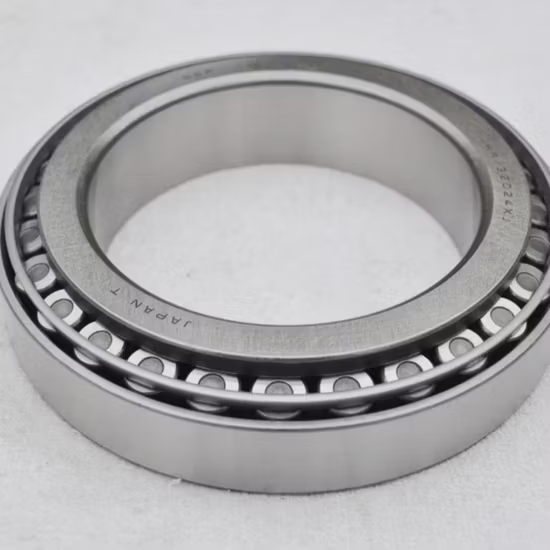

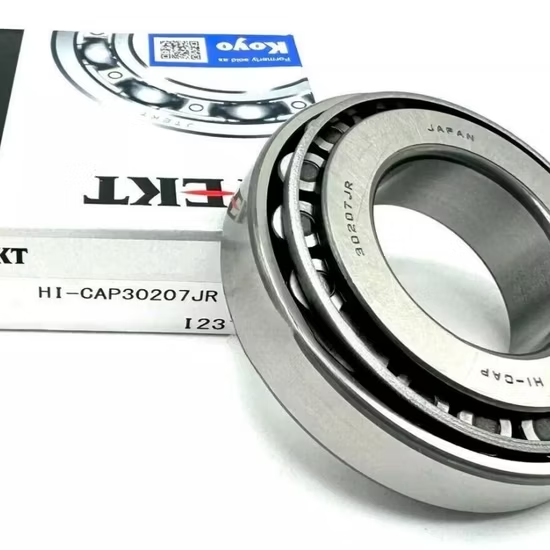
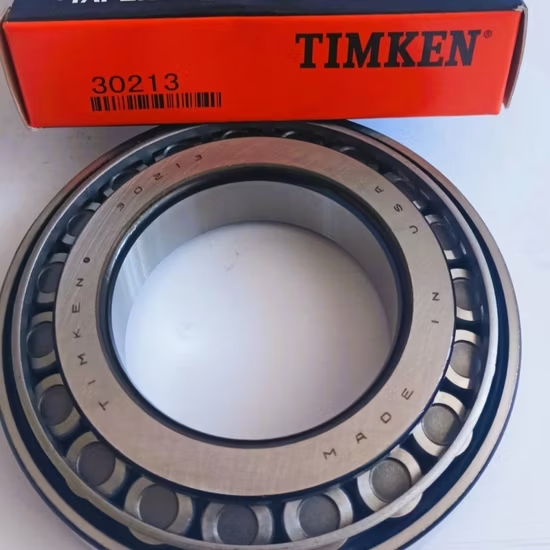


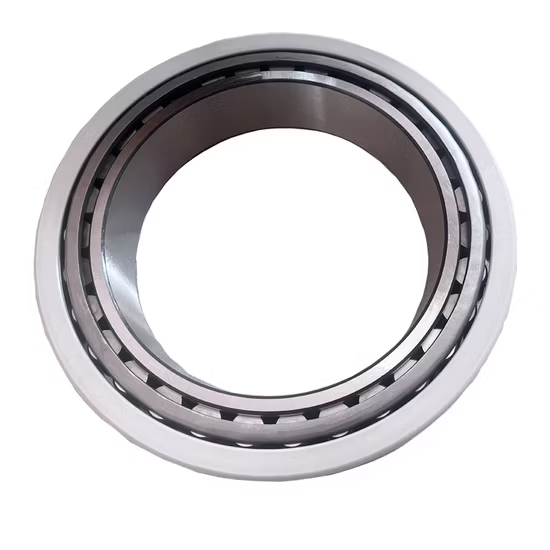
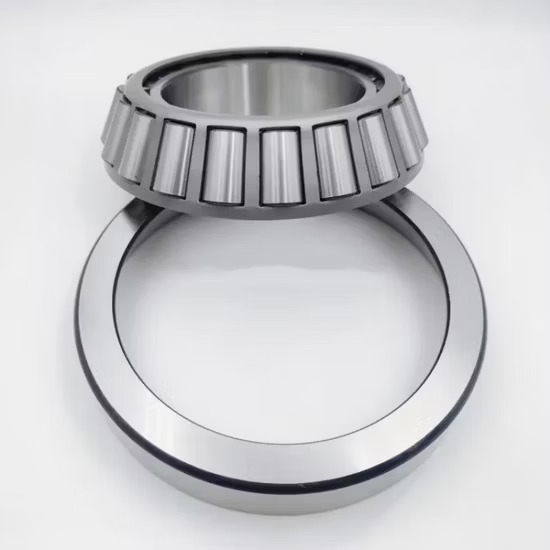
25580/25520 Inch Tapered Roller Bearing P4 — Manufactured from GCr15 bearing steel for high hardenability and wear resistance in heavy-duty applications. The P4 precision class ensures tighter dimensional and running accuracy for demanding energy and mining equipment.
Cross-reference alignment verified — We match the base number, internal geometry, and cage material to prevent field failures in heavy-duty axles and mining drives.
| Parameter | Value |
|---|---|
| Designation | 25580/25520 |
| Bearing Type | Inch Tapered Roller Bearing |
| Number of Rows | Single Row |
| Precision Class | P4 |
| Cage Material | Available in nylon, brass, or iron variants |
| Material | GCr15 bearing steel |
| Origin | Sourced from Germany, Japan, Sweden, Malaysia, or China |
| Industry | Typical Applications |
|---|---|
| Mining and Crushing | Cone crusher main shafts, vibrating screen exciter mechanisms, and heavy conveyor pulleys |
| Automotive and Heavy Vehicle | Commercial truck wheel hubs, drive axles, and differential pinion shafts |
| Energy Equipment | Wind turbine yaw drives, generator shaft supports, and heavy-duty hoisting winches |
Matching the basic designation without verifying the cage and internal geometry guarantees premature failure under shock loads.
I have seen entire mining fleets grounded in Latin America because a procurement team swapped an inch-series component for a metric-tolerance equivalent that merely shared a similar bore size. The result was a loose taper fit, inner ring creep, and catastrophic shaft scoring. When sourcing a 25580/25520 inch tapered roller bearing for high-vibration environments, ignoring the specific cup and cone pairing tolerances leads to thermal binding . The operational reality of heavy axles demands exact alignment of the rolling element profiles, not just a superficial number match on the purchase order.
Heavy vehicle axles and mining conveyors subject components to severe combined loading. This 25580/25520 inch tapered roller bearing is engineered to handle these complex radial and thrust forces simultaneously. By providing authorized distribution across major global brands, we ensure that the specific cone and cup geometry you receive is optimized for your exact drivetrain configuration, eliminating the guesswork in mixed-fleet maintenance.
Automotive wheel hubs and crusher shafts generate significant friction heat during continuous operation. If the internal clearance is not correctly matched to the thermal expansion of the housing, the rollers will skid rather than roll. Proper lubrication flow is equally critical; heavy gear oil requires a cage design that minimizes churning losses while maintaining an adequate film thickness . Sealing arrangements must also balance contamination exclusion with friction heat generation in dusty mining pits.
The identifier breaks down into the 25580 inner ring (cone) and the 25520 outer ring (cup). This specific pairing dictates the load distribution angle and the contact stress profile across the raceways. The P4 precision class ensures tighter dimensional and running accuracy than standard grades, which is vital for minimizing vibration in high-speed pinion applications. Furthermore, the cage material options—nylon for reduced friction, brass for high-vibration durability, or iron for extreme load capacity—allow maintenance engineers to tailor the component to the specific shock and speed profile of the equipment.
Installing a mismatched cup and cone set, or ignoring the required precision class, rapidly accelerates fatigue spalling on the raceways. Under the ISO 15243 framework, this manifests as surface-origin fatigue or severe smearing from roller skidding . The consequences extend far beyond the component itself, leading to unplanned downtime, damaged shaft journals, and voided equipment warranties. In remote mining sites, the logistical cost of an emergency teardown dwarfs the initial savings of an incorrectly specified replacement.
Our cross-brand interchange process goes beyond basic designation matching; we verify the internal design, cage material, and precision suffixes to ensure exact functional equivalence. For the 25580/25520 inch tapered roller bearing, we specifically check the roller profile and contact angle to prevent the thermal binding that plagues generic substitutes. Every shipment includes batch traceability to the manufacturer, and our technical team reviews your application parameters to confirm the selection before dispatch.
To ensure optimal service life, provide our engineering team with your specific radial and thrust load profiles, operating speeds, and housing dimensions. If you are replacing an existing unit, share the original equipment manufacturer part number so we can perform a comprehensive cross-reference verification. This technical review guarantees that the internal geometry and clearance settings perfectly align with your machinery's operational demands.
Q: Why does matching the base number fail during cross-referencing?
A: Matching only the base designation often ignores critical internal differences. A substitute might have the correct bore but a different roller profile or cage material, leading to thermal binding or cage fracture under heavy shock loads. We verify the internal geometry and precision suffixes to ensure exact functional equivalence.
Q: How do the cone and cup components interact in this design?
A: The 25580 cone and 25520 cup are engineered as a matched set to handle combined radial and axial loads. The specific contact angle and roller profile dictate the load distribution. Mixing components from different manufacturers or mismatched sets alters the contact stress, accelerating raceway fatigue and premature failure.
Q: What is the practical difference between P4 and standard precision?
A: P4 precision provides significantly tighter dimensional and running accuracy compared to standard grades. This reduces vibration and noise, which is critical for high-speed automotive pinions and energy equipment. The tighter tolerances also ensure more uniform load sharing among the rolling elements, extending fatigue life.
Q: How should I choose between nylon, brass, and iron cages?
A: Nylon cages offer low friction and are suitable for moderate speeds and temperatures. Brass cages provide superior durability and resistance to high vibration, making them ideal for mining crushers. Iron cages are selected for extreme load capacity and high-temperature environments where polymer limits would be exceeded.
Our 5-step process ensures every order is engineered, validated, and supported for optimal performance.
Technical needs assessment
Custom specifications
Free samples for $50k+
Pre-shipment inspection
On-site & predictive
Our certified engineers respond within 24 hours with detailed technical specifications, pricing, and lead time information.