01
Consultation
Technical needs assessment

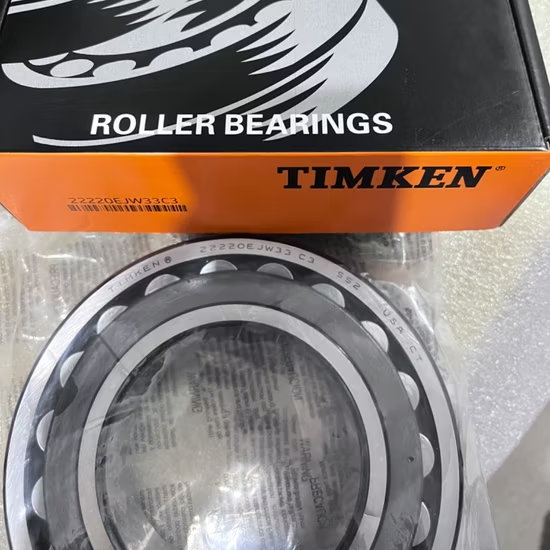
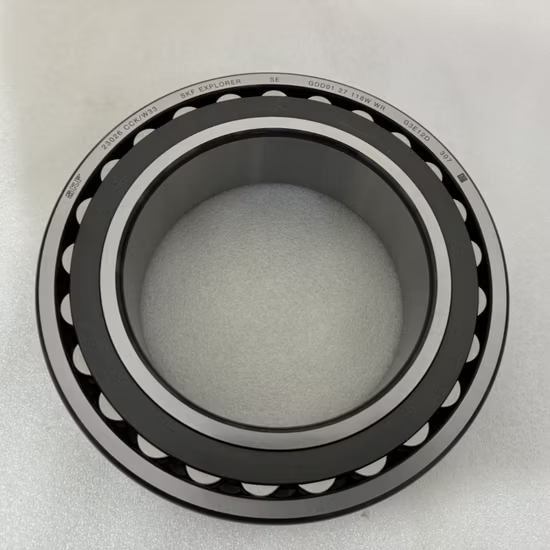
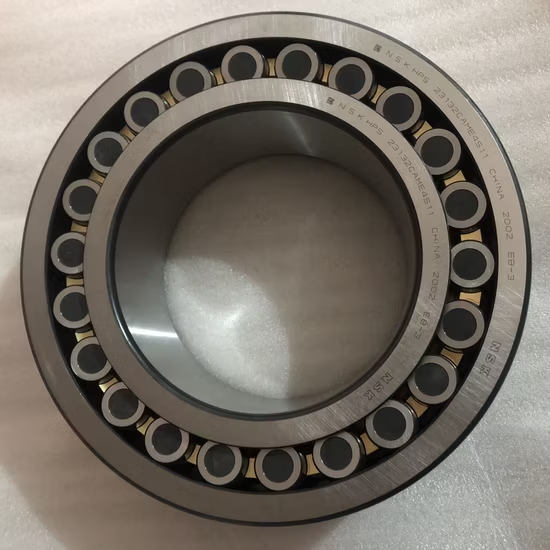
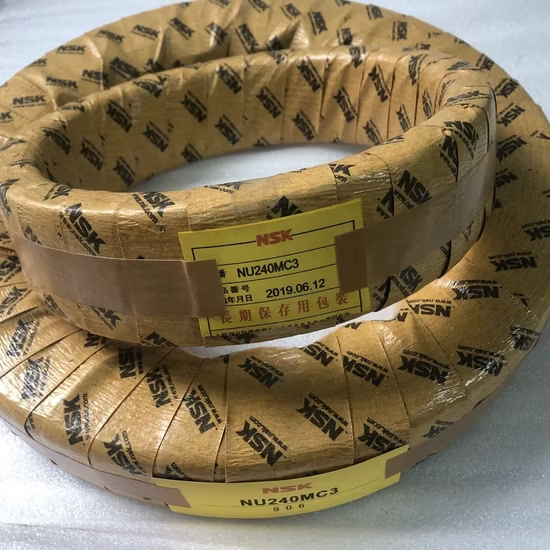
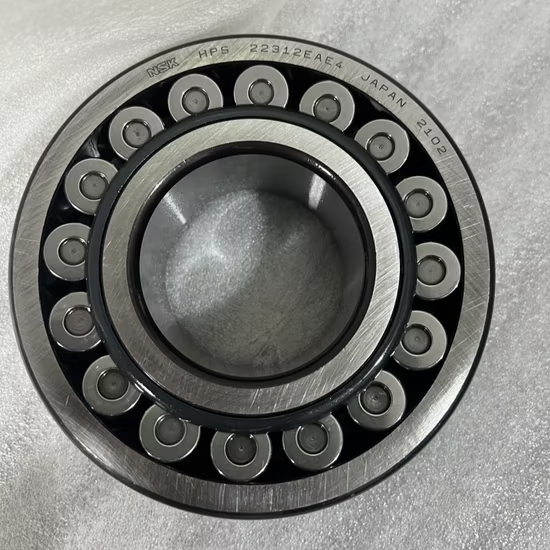
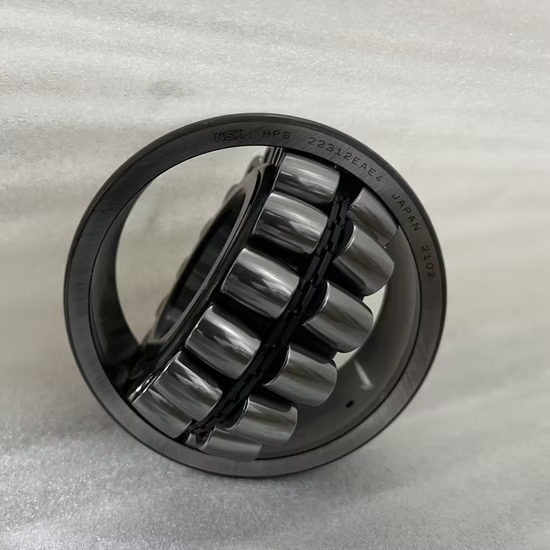
23132 Spherical Roller Bearing — open double-row design delivers high radial load capacity and self-aligning capability for misaligned shafts in demanding environments. The open type requires external sealing and scheduled relubrication, ideal for crushers and vibrating screens where heat dissipation is critical.
Batch-Level Traceability — Every 23132 spherical roller bearing shipped includes manufacturer lot documentation to verify origin and material heat numbers.
| Parameter | Value |
|---|---|
| Designation | 23132 |
| Bearing Type | Spherical Roller Bearing |
| Number of Rows | Double Row |
| Seal or Shield Type | Open |
| Origin | Germany / Japan / Sweden / Malaysia / China |
| HS Code | 8482500090 |
| Industry | Typical Applications |
|---|---|
| Cement | Rotary kiln support rollers and clinker crusher drives |
| Mining and crushing | Vibrating screen shafts and jaw crusher toggle mechanisms |
| Steel mill equipment | Continuous caster roll guides and hot strip mill table rolls |
A matching base designation does not guarantee operational survival under thermal stress.
Ordering a standard 23132 spherical roller bearing without specifying the correct internal clearance and cage material is a frequent oversight in heavy industry procurement. I witnessed this exact failure at a cement plant in Nigeria, where a standard clearance bearing seized due to thermal expansion, destroying the main shaft and halting production for days. When equipment operates under heavy loads and elevated temperatures, relying solely on the base number while ignoring critical suffixes leads to catastrophic downtime .
The 23132 spherical roller bearing is engineered to accommodate heavy radial loads and significant shaft misalignment. Our technical team reviews your specific application parameters to ensure the internal geometry and cage design align with the actual operating environment. This prevents the common mismatch where a standard design is forced into an application demanding specialized internal clearances.
In high-temperature zones like kiln drives or crushing circuits, thermal expansion drastically reduces internal clearance during operation. If the initial clearance is too tight, the rolling elements will bind and generate excessive friction heat. Furthermore, open designs require robust external sealing arrangements to prevent abrasive dust from contaminating the lubricant, which otherwise accelerates surface fatigue and wear .
The 23132 designation identifies a double-row spherical roller bearing with an open configuration, meaning it lacks integrated seals or shields. This open architecture facilitates superior heat dissipation and allows for direct relubrication in harsh environments. However, because the base number lacks specific internal clearance or cage material suffixes, procurement engineers must explicitly define these parameters. Specifying the correct clearance class and a machined brass cage is essential for applications involving severe shock loads and high vibration.
Failing to specify the required clearance and cage type for a base number results in unplanned downtime and premature failure. A standard clearance bearing installed in a high-heat application will inevitably suffer from thermal binding, leading to catastrophic damage to the shaft and housing. According to failure analysis frameworks, a significant share of premature failures stems directly from incorrect internal design selection rather than manufacturing defects .
We provide authorized coverage across all major brands, allowing you to consolidate mixed-brand requirements into a single, fully traceable order. Our cross-reference process strictly matches internal clearance, cage material, and precision suffixes, ensuring the substitute part performs identically to the original equipment specification. Every shipment includes batch traceability and QR verification support, eliminating the risk of counterfeit components with soft inner rings that plague the heavy machinery aftermarket.
To ensure the selected configuration meets your operational demands, please provide detailed application parameters including radial and axial loads, operating speeds, and ambient temperatures. Our engineering team will perform a cross-reference review and calculate the required internal clearance and cage specifications. Supplying the original equipment manufacturer part numbers allows us to verify the exact suffix requirements for your specific machinery.
Q: How do I verify the authenticity of the 23132 bearing upon delivery?
A: Every genuine unit features a unique traceability code. You can scan this code using the manufacturer's official mobile application to instantly verify the production batch, origin, and authenticity. We also provide comprehensive physical documentation, including Certificates of Conformity, to support your internal quality assurance and inventory auditing processes.
Q: What cross-reference checks are critical when substituting this bearing across brands?
A: When substituting a base number, it is vital to verify that the internal clearance, cage material, and roller profile match the original specification. A direct base-number swap without confirming these internal design features can lead to thermal binding or cage failure under heavy shock loads. Our technical team validates these exact parameters before confirming any cross-brand interchange.
Q: Why is the open design preferred over sealed variants in crushing applications?
A: In high-temperature and high-vibration environments like crushers, sealed bearings often suffer from lip degradation and lubricant starvation. The open design allows for continuous external relubrication, which actively flushes out abrasive contaminants and dissipates friction heat, significantly extending the service life of the bearing under severe operating conditions.
Q: What mounting procedures are recommended for large bore spherical roller bearings?
A: For large open bearings, induction heating is the preferred mounting method to expand the inner ring without damaging the raceways. It is critical to monitor the heating temperature closely and verify the remaining internal clearance after the bearing cools on the shaft, ensuring that the interference fit has not eliminated the operational clearance required for thermal expansion.
Our 5-step process ensures every order is engineered, validated, and supported for optimal performance.
Technical needs assessment
Custom specifications
Free samples for $50k+
Pre-shipment inspection
On-site & predictive
Our certified engineers respond within 24 hours with detailed technical specifications, pricing, and lead time information.


