01
Consultation
Technical needs assessment


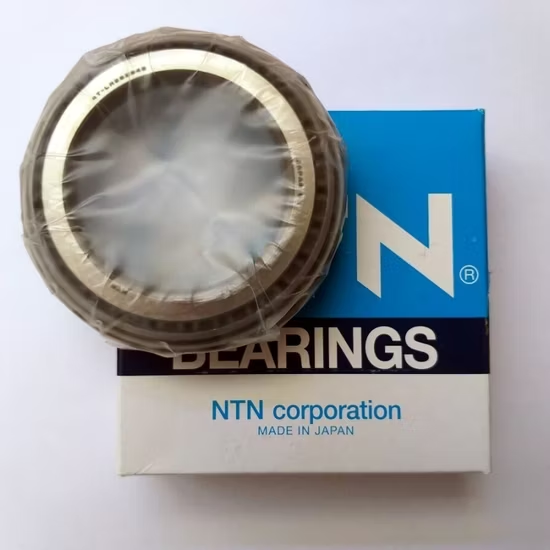
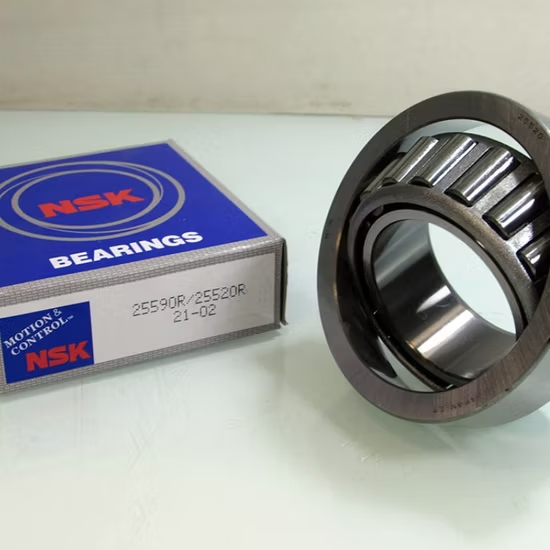
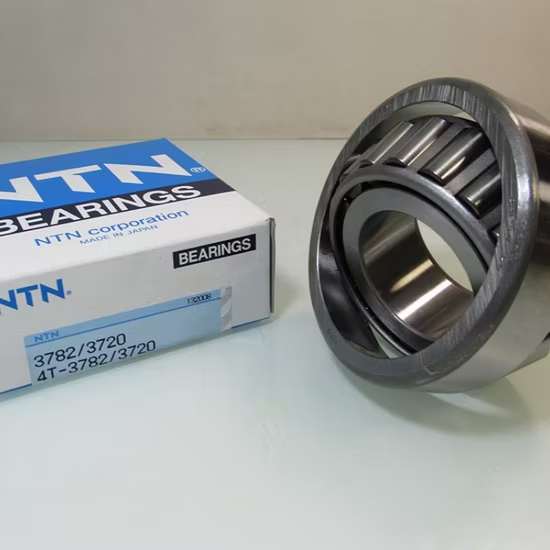
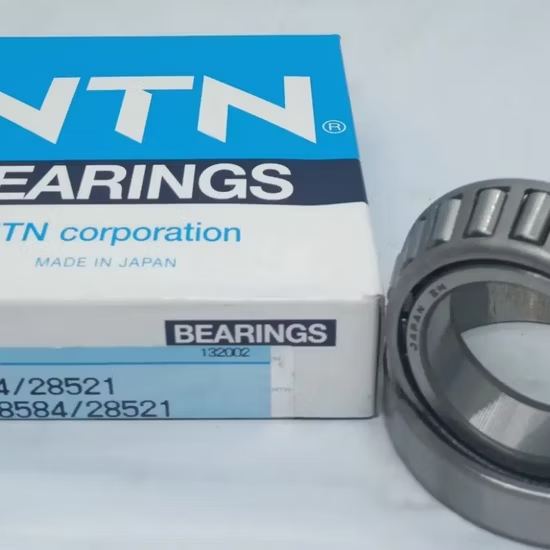
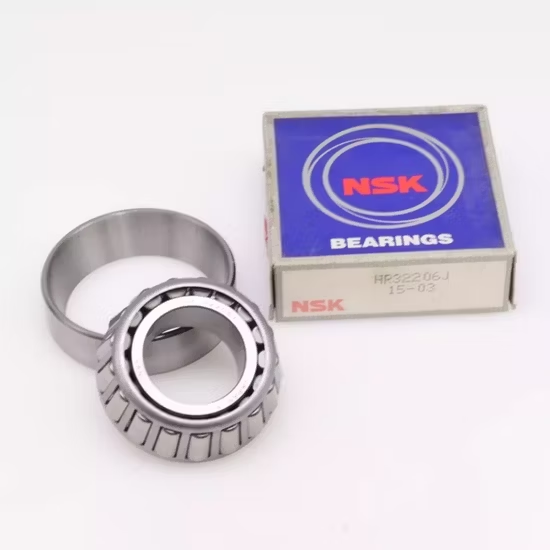
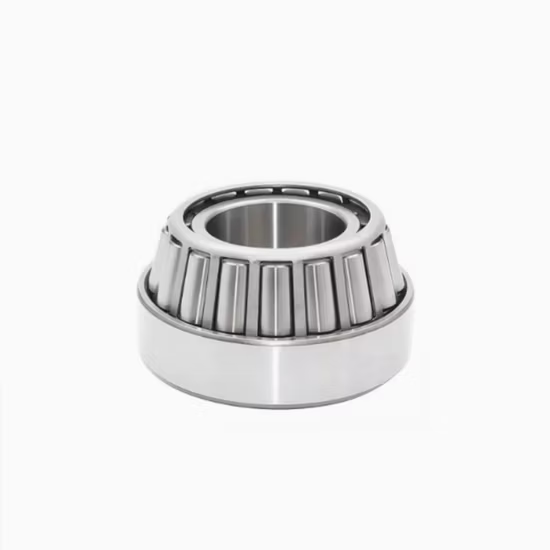
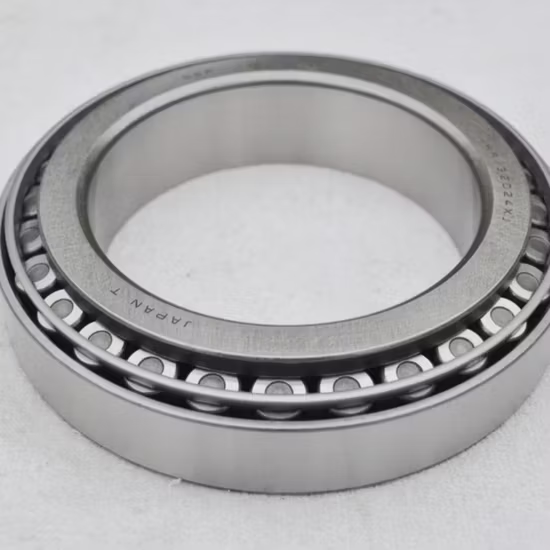
18790/18720 Inch Tapered Roller Bearing P4 — single row design optimized for combined radial and axial loads.
Three-way cross-reference alignment — verifying base designation, internal geometry, and cage material prevents field failures in heavy machinery.
| Parameter | Value |
|---|---|
| Designation | 18790/18720 |
| Bearing Type | Inch Tapered Roller Bearing |
| Number of Rows | Single Row |
| Precision Class | P4 (ISO 492 / DIN 620) |
| Material | GCr15 bearing steel |
| Cage Material | Available in nylon, brass, or pressed steel variants* |
| Origin | Sourced from authorized facilities in Germany, Japan, Sweden, Malaysia, or China |
*Cage material options require verification against specific manufacturer catalogs for exact application matching.
| Industry | Typical Applications |
|---|---|
| Industrial Gearboxes | Heavy-duty reduction gear shafts and output hubs |
| Heavy Machinery | Crusher drive mechanisms and vibrating screen exciters |
| Material Handling | Conveyor drive pulleys and stacker/reclaimer slew drives |
| Automotive Repair | Heavy vehicle wheel hubs and differential assemblies |
Matching the basic cone and cup numbers is never enough to guarantee survival under shock loads. A 18790/18720 inch tapered roller bearing installed with an incorrect internal clearance or a mismatched cage material will fail rapidly when subjected to the thermal expansion and heavy impacts typical of mining and material handling environments.
I have investigated numerous breakdowns in Latin American crushing plants where standard clearance bearings were forced into high-heat zones, causing the inner rings to seize on the shafts. . Sourcing the exact 18790/18720 inch tapered roller bearing requires looking past the stamped numbers to confirm the internal geometry and precision class actually fit the operational reality.
Selecting the right configuration means evaluating the specific radial and thrust loads your equipment generates. We cross-reference the original equipment manufacturer specifications to ensure the single row inch tapered design handles the combined loads without premature fatigue. Our technical review covers the exact interference fits required for the 18790 cone and 18720 cup to prevent creep under heavy vibration.
Equipment operating in dusty, high-impact environments demands careful attention to internal clearance and lubrication. When temperatures rise during continuous operation, standard clearance can disappear, leading to excessive preload and catastrophic cage failure. . Proper selection of the cage material is equally critical; brass cages typically endure heavy shock loads and vibration better than polymer alternatives, while pressed steel suits moderate, steady-state conditions.
The P4 precision class indicates tighter dimensional and running accuracy compared to standard grades, which is essential for minimizing vibration in high-speed gearbox shafts. The GCr15 bearing steel provides the necessary hardenability and fatigue strength to withstand continuous rolling contact stress. For the cage, the choice between nylon, brass, or iron variants dictates how the bearing handles high-speed friction and heavy shock loads. Ensuring the 18790 inner ring and 18720 outer ring are paired with the correct cage prevents structural collapse under peak operational stress.
Overlooking critical parameters during procurement inevitably leads to unplanned downtime and severe secondary damage to shafts and housings. When a bearing fails due to an unverified cross-reference, the resulting seizure can destroy adjacent gears and seals, voiding equipment warranties. . Relying solely on the base designation without confirming the precision class or cage material turns a simple replacement into a major mechanical rebuild.
We do not just ship a box with matching numbers; we verify that the internal design matches your specific load and speed requirements. Our cross-reference checks ensure the cage material and precision class align perfectly with the original engineering intent, preventing the thermal binding issues common in misapplied bearings. Every 18790/18720 inch tapered roller bearing we supply comes with full batch traceability, allowing you to verify authenticity directly through official brand applications. We consolidate mixed-brand requirements into single shipments, eliminating the coordination delays typical of multi-vendor sourcing.
To ensure the selected configuration withstands your specific operational environment, please provide the radial and axial load profiles, operating speeds, and expected temperature ranges. Supplying the original equipment manufacturer part numbers allows our engineering team to perform a precise cross-reference check. This data enables us to confirm the optimal cage material and verify the L10 life calculation for your application.
Q: How do I verify the authenticity of the 18790/18720 inch tapered roller bearing?
A: Every unit we supply includes batch traceability documentation and QR codes. You can scan these codes using the official mobile applications provided by the original manufacturers. This direct verification confirms the genuine origin of the 18790 cone and 18720 cup, protecting your equipment from counterfeit parts that often feature soft inner rings and cloned packaging.
Q: Why is it critical to check the cage material during cross-referencing?
A: Base numbers alone do not specify the internal components. A brass cage handles heavy shock loads and vibration far better than nylon or pressed steel in mining applications. If the cross-reference ignores the cage material, the bearing may suffer structural collapse under peak operational stress, leading to rapid and catastrophic equipment failure.
Q: What does the P4 precision class mean for this tapered roller application?
A: P4 precision indicates tighter dimensional and running accuracy compared to standard P0 grades. In industrial gearboxes and high-speed shafts, this enhanced precision minimizes vibration, reduces operational noise, and ensures a more predictable fatigue life. It is essential for applications where shaft runout must be strictly controlled to protect adjacent seals and gears.
Q: How do I select the correct clearance for high-temperature environments?
A: In high-heat zones, standard internal clearance can disappear as the inner ring expands on the shaft, causing thermal binding. You must evaluate the operating temperature and shaft interference fit to determine if a C3 or C4 clearance is required. Providing your thermal data allows us to recommend the exact clearance class to prevent the inner ring from seizing during continuous operation.
Our 5-step process ensures every order is engineered, validated, and supported for optimal performance.
Technical needs assessment
Custom specifications
Free samples for $50k+
Pre-shipment inspection
On-site & predictive
Our certified engineers respond within 24 hours with detailed technical specifications, pricing, and lead time information.