01
Consultation
Technical needs assessment

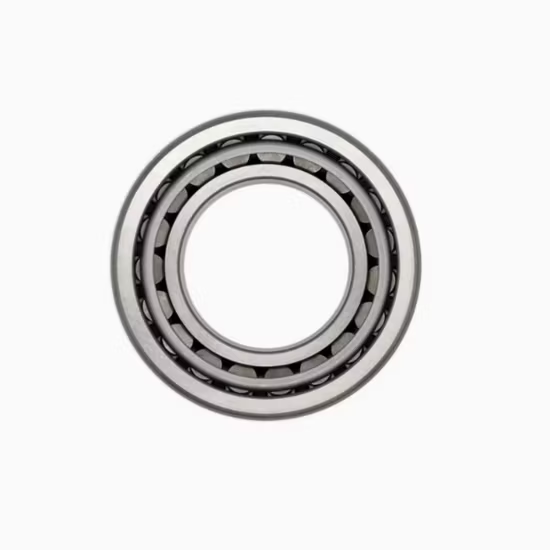
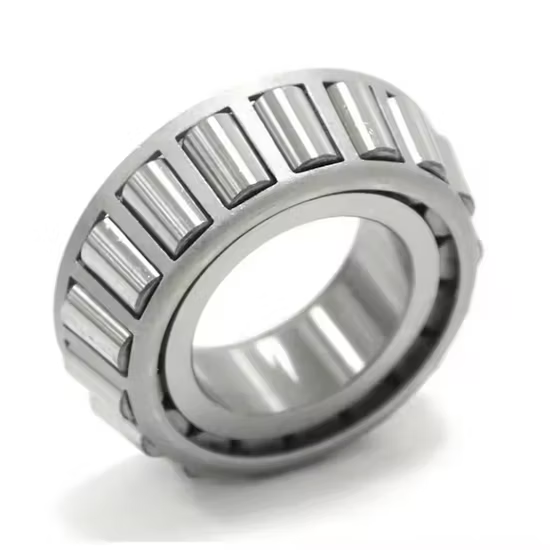
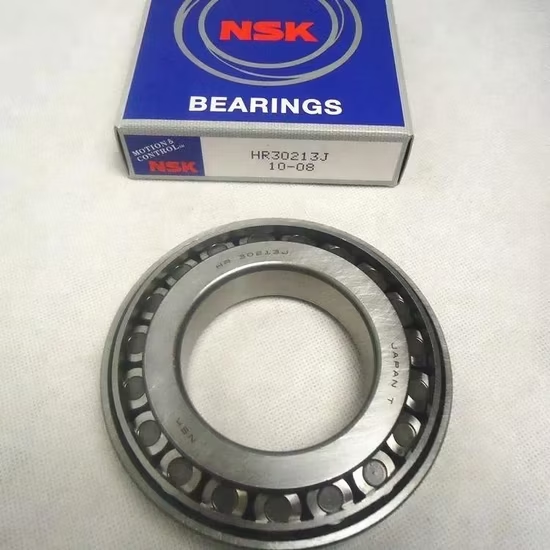
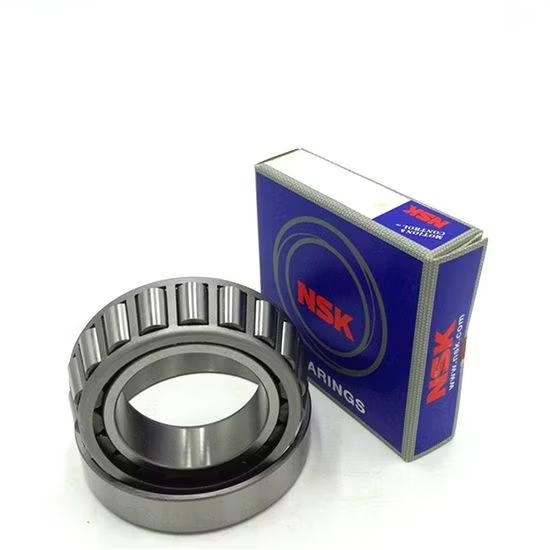
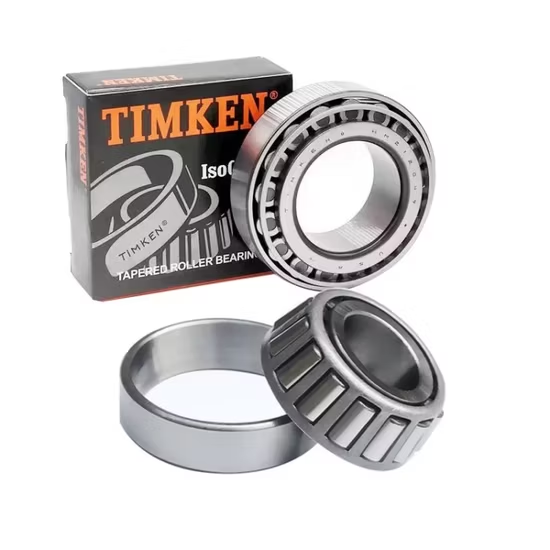
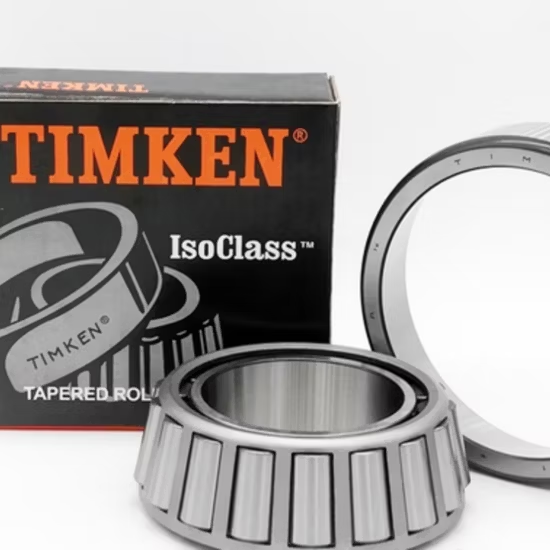
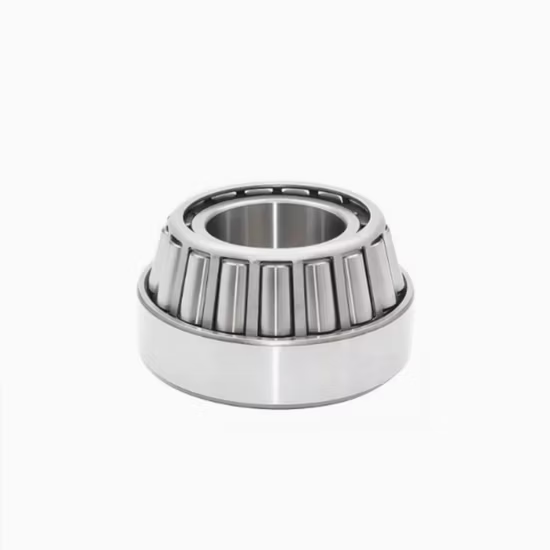
30200 30201 Single Row Tapered Roller Bearing — engineered with Gcr15 high-carbon chromium steel to handle combined radial and axial loads in heavy-duty environments.
Cross-Reference Alignment — We verify that the 30200 30201 tapered roller bearing matches the OEM requirement across precision class, internal clearance, and cage material, not just the base number.
| Parameter | Value |
|---|---|
| Designation | 30200 30201 |
| Bearing Type | Tapered Roller Bearing |
| Number of Rows | Single Row |
| Structure | Taper |
| Precision Class | P4 |
| Cage Material | Available in nylon, brass, or stamped steel variants |
| Material | Gcr15 high-carbon chromium bearing steel |
| Features | Low noise, high-speed capability, extended service life |
| Minimum Order Quantity | 1 PCS |
| Industry | Typical Applications |
|---|---|
| Automotive & Heavy Vehicles | Wheel hub assemblies, truck axle differentials, steering knuckles |
| Industrial Power Transmission | Heavy-duty industrial gearboxes, reducer shafts, conveyor drive pulleys |
| Manufacturing & Machining | Machine tool spindle supports, building material processing machinery |
A P4 precision rating prevents the microscopic misalignment that rapidly destroys single row tapered structures under combined loads.
When sourcing replacement parts for industrial gearboxes or heavy vehicle axles, purchasing teams often focus solely on the base designation. However, installing a standard P0 grade component in an application that demands P4 precision leads to uneven load distribution across the rolling elements. This localized stress accelerates surface fatigue and causes premature spalling, turning a routine maintenance task into an unplanned production halt . The 30200 30201 tapered roller bearing addresses this by maintaining tighter dimensional and running accuracy, ensuring the contact angle remains stable even under heavy axial thrust.
Selecting the correct configuration requires looking beyond the basic dimensions. Our engineering review evaluates the specific radial and axial load ratios your equipment generates. By aligning the P4 precision class and the appropriate cage material with your operational profile, we ensure the 30200 30201 tapered roller bearing delivers reliable performance without thermal binding or cage degradation in the field.
Single row tapered structures must manage complex combined loads while resisting the ingress of abrasive dust common in building material plants and mining environments. At elevated temperatures, the thermal expansion of the shaft and housing can drastically reduce internal clearance, leading to excessive friction and heat generation if the initial clearance class is not properly specified. Proper lubrication is equally critical; inadequate grease distribution or oil starvation in high-speed gearbox applications will quickly compromise the raceway surfaces . Furthermore, misalignment during mounting introduces edge stresses that bypass the hardened core of the Gcr15 steel, making precise installation practices mandatory for long-term reliability.
The P4 precision class specified for this series ensures that the dimensional tolerances and running accuracy are significantly tighter than standard commercial grades, which is vital for minimizing vibration in high-speed machining or automotive hub applications. The use of Gcr15 high-carbon chromium bearing steel provides the necessary core hardness and wear resistance to withstand repetitive impact loads. Because tapered roller bearings typically rely on stamped steel cages for high-load capacity, the availability of nylon or brass cage variants allows for optimization based on specific speed and temperature requirements. Nylon cages offer excellent friction reduction and high-speed stability, while brass cages provide superior durability under heavy shock loads and elevated thermal conditions. Selecting the right cage material ensures the rolling elements maintain proper spacing without succumbing to centrifugal forces or lubricant starvation.
Substituting a component based purely on a visual match or a basic cross-reference often results in catastrophic damage to the surrounding housing and shafts. When the internal clearance or cage material fails to match the application's thermal and load profile, the resulting premature failure triggers extensive unplanned downtime. According to failure analysis frameworks outlined in ISO 15243, surface distress and cage fractures are frequently traced back to these exact specification mismatches . The financial impact extends far beyond the replacement part, encompassing lost production hours, secondary machining repairs, and voided equipment warranties.
We eliminate the guesswork in cross-referencing by verifying that the replacement matches the original equipment manufacturer's exact precision and clearance requirements, rather than just the base number. Our batch traceability ensures every component can be tracked back to the manufacturer's production facilities, providing complete transparency. We supply comprehensive dimensional and running accuracy inspection reports that confirm the P4 tolerances before the shipment leaves our warehouse. Furthermore, our technical team reviews your specific load and speed parameters to recommend the optimal cage material, preventing the field failures we have frequently documented in heavy-duty Latin American mining and transport projects.
To ensure precise technical validation, please provide the specific radial and axial load values, operating speeds, and expected temperature ranges for your application. Supplying the original equipment manufacturer's part number or equipment nameplate data allows our engineering team to perform an exact cross-reference check and L10 life calculation. Detail any environmental factors, such as heavy dust or moisture exposure, so we can recommend the most suitable seal or shield configuration and cage material variant for your operational demands.
Q: Why is it critical to match the cage material during cross-referencing?
A: Matching the cage material ensures the bearing can withstand the specific speed and load dynamics of your application. Installing a standard cage in a high-shock environment leads to early fracture, while using a heavy brass cage in a high-speed setup generates excessive friction. We verify these exact specifications to prevent premature field failures.
Q: How do I verify the authenticity of the P4 precision bearings received?
A: Each shipment includes a Certificate of Conformity and batch traceability documents. You can scan the provided QR codes using the official brand application on your mobile device. This instantly confirms the manufacturing origin and validates that the precision grade matches the P4 specifications required for your machinery.
Q: What application parameters dictate the choice of cage material variants?
A: The selection depends on operating speed, load type, and temperature. Nylon cages are ideal for high-speed, low-friction requirements, while brass cages offer superior strength for heavy shock loads and elevated temperatures. We analyze your specific equipment parameters to recommend the optimal material for maximum service life.
Q: How does P4 precision compare to standard grades in industrial gearboxes?
A: P4 precision offers significantly tighter dimensional and running accuracy than standard P0 grades. In industrial gearboxes, this reduces vibration, minimizes uneven load distribution across the rolling elements, and prevents edge stress. This exact tolerance is crucial for maintaining gear alignment and extending the overall lifecycle of the drive system.
Our 5-step process ensures every order is engineered, validated, and supported for optimal performance.
Technical needs assessment
Custom specifications
Free samples for $50k+
Pre-shipment inspection
On-site & predictive
Our certified engineers respond within 24 hours with detailed technical specifications, pricing, and lead time information.